Is Bled, Slovenia Worth Visiting?
A straight answer on whether Lake Bled is worth your time and money, with real entry prices, the honest downsides, and the best times to go.
Is Bled, Slovenia Worth Visiting?
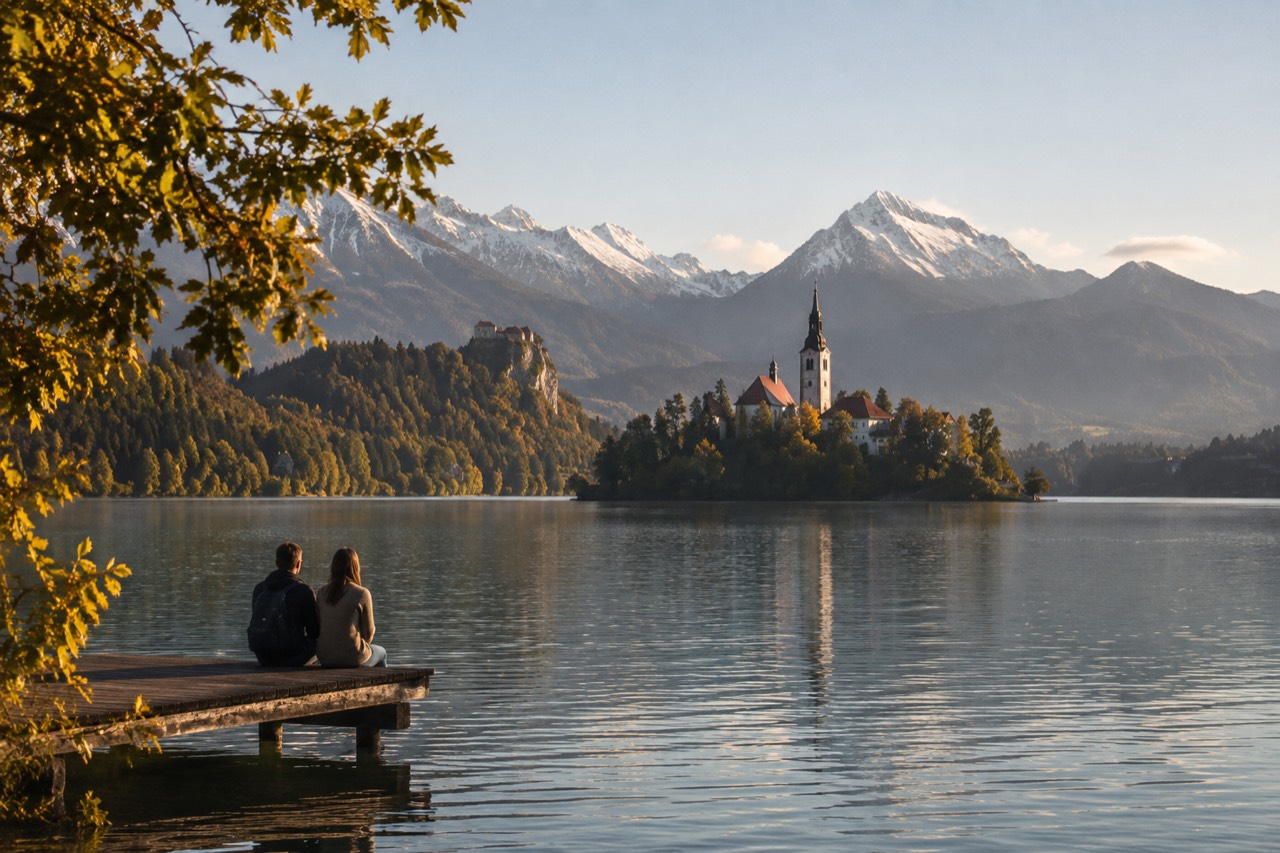
Yes, for almost every visitor, Lake Bled is worth visiting, and the numbers explain why. The lake carries more search demand than the entire city of Ljubljana, the castle above it has been watched over the water since medieval times, and the island church is one of the most photographed scenes in Europe. It is worth going with open eyes, though: summer days are crowded, the main sights charge separately, and a rushed two-hour stop sells the place short.
The question is usually asked by someone building a Slovenia itinerary from Ljubljana, and the geography is friendly. Bled sits under an hour's drive northwest of the capital, close enough that a day trip barely dents the schedule. The setting is genuinely unusual: a glacial lake, a cliff-top castle, a forested island with a church spire, and the Julian Alps rising behind all of it. That combination is rare, and it is why the lake appears on so many bucket lists.
The honest framing is this. Bled is worth visiting if you give it enough hours to breathe, ideally a morning or a full day with a swim, a walk along the shore and a slice of cream cake. It disappoints people who arrive at midday in August, queue for everything, see the viewpoint, and leave. The verdict depends far more on timing and pacing than on the lake itself, which does not change.
What Makes Lake Bled Worth the Trip?
Three things earn Lake Bled its reputation: the island church reached by traditional pletna boat, the castle terrace perched on a cliff high above the water, and the walking loop around the entire lake, which takes about an hour and a half at a relaxed pace. Add Vintgar Gorge a few kilometres away and you have one of the densest sightseeing clusters in the Alps.
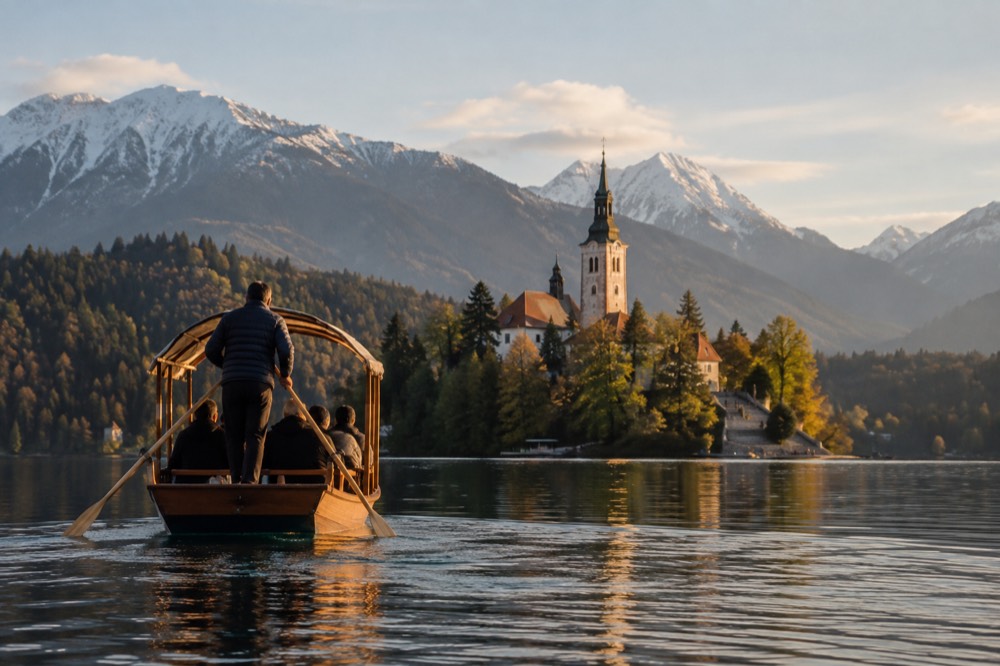
The pletna is the detail most visitors do not know in advance. These are flat-bottomed wooden boats rowed by standing oarsmen, a tradition local families have passed down for generations, and they are the only regular way to reach the island. The crossing costs 20 EUR per person. Once on the island you can climb the church steps, ring the famous bell of wishes, and look back at the castle. The experience is short but it is the postcard made real.
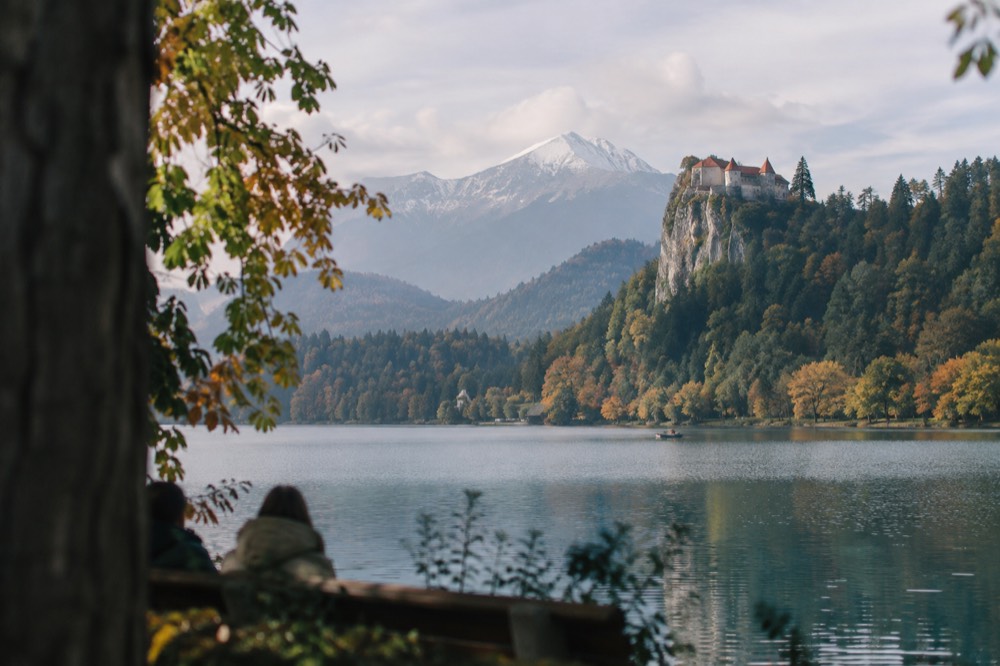
Bled Castle charges 19 EUR for an adult ticket, and the reason to pay is the terrace view rather than the museum rooms. From the walls you see the whole lake, the island, and on clear days the Karawanks ridge. The castle site is medieval in origin, though much of what stands today reflects later rebuilding, so go for the panorama and the setting, not for a deep-dive history visit.
The lake loop itself is free and, on a quiet morning, the best part of the day. The path runs roughly 6 km around the water, flat almost everywhere, with swimming spots, small jetties and viewpoints along the way. This is also where Ljubljana Travel Guide readers on a budget should spend their time: the walk, the views and a swim cost nothing, and they are the substance of Bled rather than the extras.
If you would rather not solve the transport yourself, the most popular option is a six-hour trip from Ljubljana that pairs the lake with Bled Castle, Bled and Bled Castle from Ljubljana, which leaves the city centre and returns you there with the driving handled. It suits first-time visitors who want the two headline sights without [renting a car](https://discovercars.tpk.ro/laYIo9hK).
How Much Does a Day at Lake Bled Cost?
A budget day at Lake Bled can cost almost nothing: the lake loop is free and so is Triglav National Park, which the lake sits inside. A full sightseeing day adds up quickly, though. Castle entry is 19 EUR, the pletna boat to the island is 20 EUR per person, the electric Bled Boat Line is 16 EUR, and Vintgar Gorge is 15 EUR, so a couple doing everything pays roughly 100 EUR in tickets alone.
| Item | Adult price | Notes |
|---|---|---|
| Lake loop walk | Free | About 6 km, flat, roughly 90 minutes |
| Bled Castle entry | 19.00 EUR | Terrace view over the lake and island |
| Pletna boat to the island | 20 EUR | Traditional rowed boat, per person |
| Bled Boat Line electric boat | 16 EUR | Per person, scheduled crossings |
| Vintgar Gorge | 15.00 EUR | All-in-One Pass, April to October only |
| Triglav National Park | Free | The lake sits inside the park |
The structure matters more than the totals. Everything at Bled is charged separately, there is no single lake ticket, so you control the budget line by line. Many visitors find the free layer, walking, swimming and viewpoints, plus one paid item, is the sweet spot. The castle terrace or the pletna crossing, not both, is a common and perfectly satisfying choice.
Food follows the same logic. A slice of Bled cream cake at a lakeside café is the classic splurge and our guide to Bled cream cake explains what the original should taste like. Restaurant prices near the water carry a tourist premium, while places a street back are kinder, so the same advice as anywhere applies with extra force at Bled.
What Are the Honest Downsides?
Lake Bled has three real drawbacks: summer crowds, a village that empties after the day-trippers leave, and prices pitched at tourists rather than locals. August afternoons bring coach groups to every viewpoint, the pletna jetty grows long queues, and Vintgar Gorge is explicitly at its most crowded between 10:00 and 13:00. None of this is fatal, but it rewards anyone who arrives early or comes in the shoulder season.
The crowd problem is a clock problem. The gorge operator itself publishes the 10:00 to 13:00 peak, which is unusually candid, and the same window applies to the lake. Arrive at 08:00 and Bled feels like a village; arrive at noon in July and it feels like a theme park. Day-trippers on a rigid schedule cannot choose their hours, which is one argument for an organised trip with fixed early departure times over a slow independent start.
The second downside is that Bled is small. Beyond the lake, the castle, the gorge and a short hilltop viewpoint or two, there is not a great deal to fill a second day, which is why most people visit on a Lake Bled day trip from Ljubljana rather than sleeping there. Bohinj, the larger and quieter lake half an hour further into the Alps, is the usual answer for anyone wanting more water and fewer people.
The third is cost. Bled is not a budget destination by Slovenian standards, and the separate ticket structure means a family can spend a surprising amount before lunch. The counterweight is that the free layer is genuinely good, and the park around the lake, 840 square kilometres of it, charges nothing at all.
When Is the Best Time to Visit Lake Bled?
The best time to visit Lake Bled is May, June, September or early October, when the weather is warm, the water is swimmable and the coach crowds thin out. July and August have the most reliable heat but the worst queues, and winter is quiet and photogenic with the Alps snow-covered, but Vintgar Gorge is closed and the lake is cold.
The seasonal constraint that catches people out is Vintgar Gorge. It is open to visitors between April and October and closes for winter, with the exact closing date depending on conditions each year, so check before travelling. Anyone building an autumn trip around the gorge should treat early October as the safe margin.
Weather-wise, the regional picture is worth knowing, and it is not the one most guides give.
The shoulder season is quieter but not drier, so pack for showers and aim for mornings. The inversion detail cuts both ways for photographers: a foggy lake with the island church floating above the mist is one of the best shots in Slovenia, but you need height, the castle terrace or a nearby hill, to get above the grey.
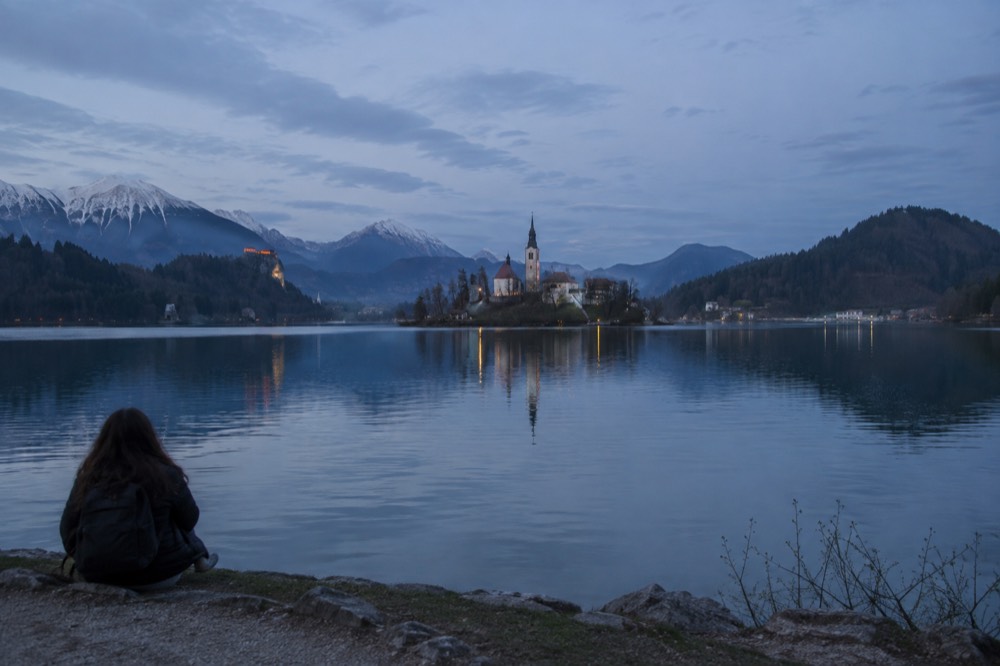
Winter flips the verdict rather than ending it. The lake in fog or under snow, with the island church dark against white hills, is one of the most atmospheric scenes in Slovenia, and you will share the shore with joggers rather than tour groups. What you lose is the gorge, comfortable swimming and the full range of boat crossings. A winter Bled day is a photography trip, not a swimming trip.
How Do You Get from Ljubljana to Lake Bled?
Bled is under an hour from Ljubljana by road, and the choice is between an organised day trip, a local bus from the main station, a train to one of two stations near Bled, or a self-drive. The detail that matters if you take the train: Bled Jezero station is only 1.5 km from the lake, while the better-known Lesce-Bled station is 4 km away on a different line, so check which one your train actually serves.
The two-station trap is the most useful rail fact in the region, and most generic advice gets it wrong by sending everyone to Lesce-Bled. Neither the rail operator nor the coach operators publish a static, verifiable fare table for the route, so treat any journey-time or price figure you see elsewhere with caution and check the live listing when you book. What is certain is that both bus and train connect the capital with Bled several times a day in season.
Driving is straightforward and the roads are good, but the endgame needs planning: the village centre fills early in high summer and parking is limited, so an early start matters even more by car than [by bus](https://busbud.tpk.ro/4kLAIElq). Many visitors park slightly out and walk in along the lake path, which doubles as a pleasant arrival.
For anyone who would rather not think about any of this, guided trips solve the whole problem in one booking. The small-group option that includes both the castle and the island, small-group Bled with castle and island, suits travellers who want the headline sights with a fixed schedule, while the related tour below is the straightforward six-hour pairing of lake and castle.
Is Bled Castle Worth the Entry Fee?
For most visitors, yes, because the 19 EUR adult ticket buys the single best view of the lake and island, from a terrace you cannot reach any other way. The museum interiors are modest and the castle is partly a later reconstruction, so go for the panorama, the courtyard atmosphere and a coffee with the whole lake below you, and lower your expectations about the history exhibits.
This is the most common follow-up question, and it deserves its own answer, which our longer piece on whether Bled Castle is worth it covers in detail. The short version: the fee feels fair on a clear day and steep in rain or fog, when the terrace view you paid for disappears. Check the morning forecast before you buy.
The castle also works as a time-management anchor. Because it sits above the western end of the lake, most visitors pair it with the lakeside walk and treat the pletna crossing as the second half of the day. Doing the castle first, in the cooler and quieter morning hours, then descending to the water, is the pattern that fits the site's own crowd rhythm.
The Verdict, in One Paragraph
Bled is worth visiting for the overwhelming majority of travellers, and the failure cases are all self-inflicted: too few hours, the wrong month, or a midday arrival in peak season. Give it a full morning or a whole day, choose one or two paid sights rather than all of them, walk the free loop, and the lake earns its reputation. Rush it in August and you will wonder what the fuss was about.
For the practical numbers: castle 19 EUR, pletna 20 EUR, electric boat line 16 EUR, gorge 15 EUR, everything else free. For the timing: shoulder season mornings beat summer afternoons every time. And for the transport: an organised trip is the answer if you want zero logistics, the train works if you pick the right station, and a car gives you Bohinj and the gorge as easy extensions.
Common Questions About Whether Bled Is Worth Visiting
Is Bled, Slovenia Worth Visiting?
Yes. The lake, the island church and the cliff-top castle form one of the most distinctive landscapes in the Alps, and the free walking loop means even a budget visit delivers the core experience. It is worth going with enough hours to enjoy it, ideally a morning or a full day.
How many hours do you need at Lake Bled?
A half day covers the lake loop, the castle or the island, and a cream cake. A full day adds the pletna crossing, a swim and possibly Vintgar Gorge. Two rushed hours are the version of Bled that disappoints people.
Is Lake Bled too touristy?
In July and August afternoons, it can feel like it. The gorge operator itself states the site is most crowded between 10:00 and 13:00. Arriving before 09:00, visiting in May, June or September, or walking the quiet eastern shore largely solves the problem.
Can you visit Lake Bled without paying for anything?
Yes. The lake loop, the viewpoints, swimming spots and Triglav National Park itself are all free. The castle, the pletna boat to the island and Vintgar Gorge are the paid items, and each is optional.
Is Bled or Bohinj better?
Bled has the iconic sights and the infrastructure; Bohinj has the larger, quieter lake inside a wilder setting. Many visitors do Bled in the morning and Bohinj in the afternoon if they have a car, or choose Bohinj if crowds are the thing they most want to avoid.
Is Bled worth visiting in winter?
Yes, for photographers and quiet-seekers. The lake under snow with the Alps behind it is spectacular, and the crowds vanish. Vintgar Gorge is closed, the water is cold, and some boat services reduce or pause, so it is a different, slower trip.