What Is Slovenia Most Famous For?
Slovenia is famous for Lake Bled, the Postojna and Škocjan caves, the Julian Alps and Ljubljana's pedestrian old centre. Here is what the country is actually known for, with the real figures.
What Is Slovenia Most Famous For?
Slovenia is most famous for Lake Bled, with its island church and clifftop castle, and for its karst caves: Postojna Cave and the UNESCO-listed Škocjan Caves. Close behind come the Julian Alps, Mount Triglav at 2864 m, the small green capital Ljubljana, and the Lipizzaner horses of Lipica. It is a country of two million people that punches far above its weight in postcards.
That postcard reputation is well earned but incomplete. Slovenia packs alpine lakes, a karst underworld, a short Adriatic coast, thermal spas and one of Europe's smallest and greenest capitals into a country you can drive across in a couple of hours, and a visitor can reach the mountains from the sea in an afternoon. The fame is concentrated on a handful of names, and this article takes each one in turn: what it is, what it actually costs, and whether it deserves the reputation.
The country sits in the European Union, the eurozone and the Schengen area, so there is no currency to change and no border to clear coming from Italy, Austria, Hungary or Croatia. That practical invisibility is part of why Slovenia is famous mostly for its scenery rather than its politics: nothing about the paperwork interrupts the view.
Is Lake Bled the Picture the Whole Country Is Known By?
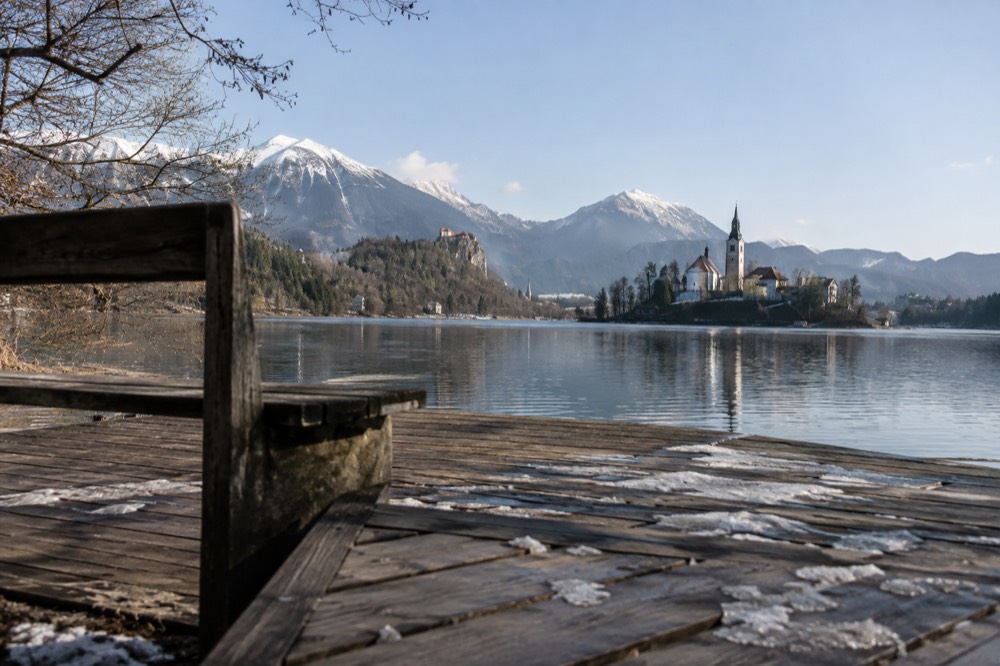
Yes. Lake Bled is the single most famous image of Slovenia, and by some distance: the lake with the Church of the Assumption on its island and Bled Castle on the cliff above carries more search demand than the entire city of Ljubljana. Bled Castle charges 19 EUR for an adult ticket, and the traditional pletna boat to the island costs 20 EUR per person.
The castle price comes straight from the castle's own price list, and the pletna figure from the Bled tourist board, so these are the real numbers a day visitor will meet. The pletna is itself part of the fame: these flat-bottomed boats, rowed by standing oarsmen in a tradition unique to the lake, are as recognisable in Slovenia as the gondola is in Venice.
What the postcard does not show is the setting. Bled sits at the edge of Triglav National Park, which covers 840 km² and was founded in 1981 on land protected in part since 1924. The park's entry is free, and the lake is only the gateway to it. Vintgar Gorge, the other famous name here, is a wooden-walkway canyon that is open to visitors between April and October and closes for winter, with an adult ticket at 15 EUR and timed-entry slots in high season. Anyone planning a Bled visit around the gorge needs to check the season first.
For most travellers the practical question is how to see Bled from Ljubljana, and there are several ways in, from a guided Lake Bled day tour to a small-group trip that includes the castle and the island. The full picture is in the site's Lake Bled guide, which covers the two train stations, the swimming question and where to stay.
The trio above spans the two most famous faces of the country, the caves and Lake Bled, plus a free way to see the capital. If Bled is the reason you are travelling, the Lake Bled and Bled Castle trip covers both headline sights in six hours, rated 4.7 from 1641 reviews and from $86.
Why Do the Caves Define Slovenia Abroad?
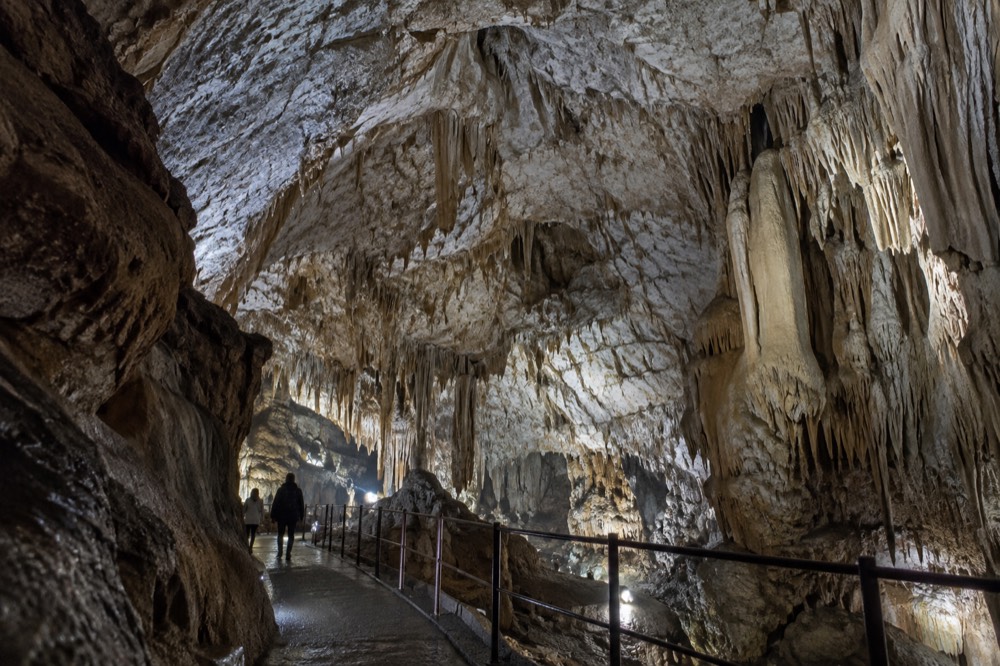
Because the word "karst" itself is Slovenian. The limestone plateau that gave the international scientific term its name sits in the country's south-west, and its two showpieces are Postojna Cave, with a 3.7 km visitor route partly travelled by underground train, and the Škocjan Caves, inscribed on the UNESCO World Heritage list on 28 November 1986. Postojna holds a steady 10 C all year, and an adult ticket is 34.90 EUR.
That is the detail that catches visitors out: the cave is as cold in August as in January, and people arrive in shorts and spend ninety minutes regretting it. Postojna is open every day, including holidays and in bad weather, which is exactly why the caves are the reliable answer to a wet or scorching day anywhere in western Slovenia. The tour itself lasts about an hour and a half, with boarding thirty minutes before departure. More of these guides are collected on Ljubljana Travel Guide.
Škocjan is the connoisseur's alternative. Its adult price moves with the seasons, from 16 EUR in the winter months to 24 EUR in July and August, and the tour runs two and a half to three hours with roughly 400 stairs and a 12 C interior. The honest differentiator is this: Postojna is partly a train ride, Škocjan is a walk through one of the largest underground canyons in the world. The Škocjan Caves guide breaks down the two experiences side by side.
Predjama Castle completes the karst trinity. Built into the mouth of a cave mouth in a cliff face, it is the most dramatic castle image in the country and charges 24 EUR for an adult ticket. The two separate prices are the only ones to quote: the operator's own ticket page lists the combination, and no combined figure is published that can be relied on.
The easiest way to see both headline sights in one day is the Postojna Cave and Predjama Castle tour from Ljubljana, a six-hour trip rated 4.8 from 2802 reviews, from $132, with tickets and transport handled together.
It is also the most practical pairing for a short stay, because the caves and the castle sit within a short drive of each other and the tour returns to Ljubljana the same afternoon. That leaves the evening free for the river, the market squares or a walk up to the castle hill, which is exactly how a two-night visitor wants the day to run.
The caves are also where Slovenia's fame and its geology meet the Ljubljanica, the river that runs through the capital. It is a karst river that disappears underground and resurfaces repeatedly under different names before emerging at springs near Vrhnika and flowing about 41 km to the city. The country's most famous river is, in a real sense, part of the same underworld that made its caves famous.
What Else Is Slovenia Famous for: Triglav, Ljubljana and the Coast?
Slovenia is also famous for Mount Triglav, the 2864 m peak that appears on the national flag, for Ljubljana's pedestrianised centre and castle-topped hill, and for a short Adriatic coast led by the Venetian old town of Piran. Add the Lipizzaner horses of the Lipica stud farm and the Soča Valley's turquoise river, and the list is longer than most people expect.
Triglav matters beyond its height. It is the national symbol, so much so that folklore holds a true Slovenian should climb it once in their life, and the national park around it is the country's largest protected area. The Triglav National Park guide covers the practical side, including the Vršič pass road that crosses the Julian Alps and the Soča Valley on the other side, whose emerald water has become an Instagram-era addition to the country's famous list.
Ljubljana's own fame is quieter but growing. The historic centre is a car-free pedestrian zone of roughly 20 hectares, expanded progressively since 2007, and the castle above it is open 365 days a year, with a combined castle-and-funicular ticket at 19 EUR. The city is small enough that its visitor numbers tell the story: 1,392,728 tourist arrivals and 2,844,129 overnight stays in the municipality in 2025, an average stay of about two nights. People come, look, and move on to the lakes, which is exactly the pattern the country's fame predicts.
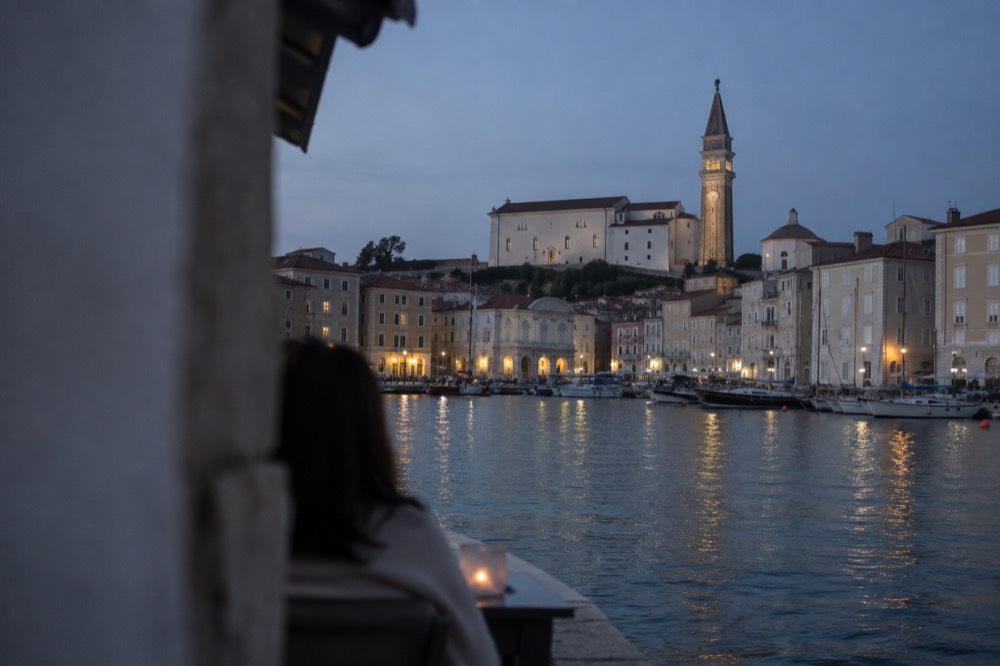
The coast is the smallest claim. Slovenia has under 50 km of Adriatic shoreline, and Piran, a walled Venetian town on a peninsula, is the famous piece of it, easily reached on a day trip that pairs it with the Škocjan Caves or with Lipica, where the white Lipizzaner horses have been bred since the Habsburg era.
There is one fact about the capital that most first pages of search results miss entirely, and it reshapes any winter trip. Ljubljana sits in a basin, and in the colder half of the year a temperature inversion caps it: the city fogs in while the hills a few hundred metres above sit in sunshine. ARSO's climate normals, 1981 to 2010, put numbers on it: Ljubljana at 299 m gets 56 hours of sunshine in the whole of December, under two hours a day, while Kredarica at 2514 m on Triglav gets 120 hours over the same month. The city averages 37 clear days a year against 130 overcast. In winter the right move is to go up, to the castle hill, to Šmarna gora, to Bled or into the Alps.
What Food and Drink Is Slovenia Famous For?
Slovenia's most famous food is the Bled cream cake, a layered vanilla-and-puff pastry of which millions are sold at the lake each year, followed by štrukelj, the rolled pastry that appears on nearly every traditional menu, and potica, a nut-swirled holiday loaf. On the drink side the country is known for its wine regions, especially the Vipava Valley, and for a fast-growing craft beer scene.
The cream cake is the one dish with a famous address: the original is claimed by the Hotel Park café on the Bled lakeside, and the Bled cream cake guide tells that story properly. It is a genuine destination food, the kind people travel for and photograph, and it costs a few euros a slice rather than a restaurant meal.
Beyond the pastry counter, Slovenian food fame runs through farmers'-market cooking. Ljubljana's Central Market, the colonnaded Plečnik-designed halls and open squares by the river, is the working heart of that tradition, and on Fridays from roughly March to November the Odprta Kuhna open-air food market takes over Pogačarjev trg. The official wording is that it runs "every sunny Friday", which is literal: it is cancelled in bad weather.
| Famous Slovenian thing | What it is | Where to taste or see it |
|---|---|---|
| Bled cream cake | Layered custard and puff pastry | Bled lakeside cafés, original at Hotel Park |
| Štrukelj | Rolled pastry, sweet or savoury | Traditional restaurants and a cooking class in Ljubljana |
| Vipava Valley wines | White-wine region an hour from the capital | Winery day trips direct from Ljubljana |
| Lipica Lipizzaners | White stud horses bred since the Habsburg era | Lipica stud farm, paired with Piran |
The wine side deserves more fame than it gets. The Vipava Valley, a short drive from Ljubljana, produces fresh white wines from local varieties, and a five-hour wine express tour from the capital is rated 4.9 from 140 reviews. The country's food-and-wine fame is real; it is simply less exported than the scenery.
Common Questions About What Slovenia Is Famous For
What Is Slovenia Most Famous For?
Lake Bled, with its island church and clifftop castle, and the karst caves of Postojna and Škocjan. The Julian Alps and Mount Triglav, the pedestrian centre of Ljubljana, the Lipizzaner horses of Lipica and the Venetian town of Piran complete the list.
Is Slovenia famous for anything besides Lake Bled?
Yes. The word "karst", used by geologists worldwide for limestone terrain, comes from the Slovenian Kras plateau, and the country's caves are the scientific origin of that fame. The Soča Valley's turquoise river, the Vipava Valley wine region and Bled cream cake are all famous in their own right.
Is Slovenia or Croatia more famous?
Croatia, by a wide margin: its Adriatic coast and Dubrovnik have carried global name recognition for decades. Slovenia's fame is newer and more concentrated, built on Lake Bled and the caves. The comparison, including which suits a first trip, is covered in the site's Slovenia or Croatia piece.
What is the most famous food in Slovenia?
The Bled cream cake, a layered vanilla custard and puff pastry sold by the million at the lake. štrukelj, a rolled pastry served sweet or savoury, and potica, a swirled nut loaf, are the traditional runners-up.
How many days do you need to see the famous sights?
Most visitors stay about two nights in Ljubljana, based on 2025 arrival and overnight figures, and use the capital as a base for Bled and the caves. Three days covers the city, one lake trip and one cave trip comfortably.
Are the famous caves open in winter?
Yes. Postojna Cave is open every day, including holidays and in bad weather, and holds about 10 C year round. Škocjan runs tours through the winter months at its lowest seasonal price. Vintgar Gorge, by contrast, closes for winter and reopens in April.