Vršič Pass Drive from Ljubljana: How to Plan the Big Julian Alps Day Trip
The road over Vršič is the single most dramatic drive you can build into a Ljubljana holiday: a full crossing of the Julian Alps from the ski town of Kranjska Gora down into the turquoise Soča Valley. This guide covers how to structure the day, whether to drive it yourself or take a guided tour, and the weather reality most visitors underestimate.
Short answer
The Vršič Pass drive works as a full day trip from Ljubljana, pairing the hairpin climb from Kranjska Gora with the descent to the Soča Valley. A guided day tour runs 10 to 10 and a half hours from $132. The pass is a summer road: it closes for winter, and mountain weather decides the day, so plan a flexible alternative.
The Vršič Pass drive is the headline act of Slovenian road tripping: one road, a wall of hairpins, and a crossing of the Julian Alps that ends in a river valley famous for its colour. From Ljubljana it is a serious day trip, not an afternoon loop, and the difference between a great day and a wasted one is almost always timing and weather rather than driving skill.
This guide lays out the whole decision: self-drive versus guided tour, what the road itself is like, when to go, and what to do when the mountain says no. Everything here is built from verified figures, published climate data and the live tour roster, and where a number could not be sourced it says so rather than guessing.
What Is the Vršič Pass Drive from Ljubljana?
The Vršič Pass drive is a mountain crossing that links Kranjska Gora on the north side of the Julian Alps with the Soča Valley on the south side, over the highest road pass in Slovenia. From Ljubljana it is a full-day loop: out through the Upper Carniola countryside to Kranjska Gora, over the pass, down into the Soča Valley, and home via the Soča towns. The road sits inside Triglav National Park, which charges no entry fee.
The pass road is the spine of the Julian Alps experience. On a clear day the drive delivers everything the region is booked for: limestone peaks, alpine meadows, the sharp turquoise of the Soča, and the small towns that sit in between. Mount Triglav itself, at 2864 m the highest point in the country, presides over the whole crossing, and the national park that bears its name was formally founded in 1981 on the back of protection that dates back to 1924, per the park's own published history.
For Ljubljana visitors the practical framing matters more than the geography. You are not doing this drive and something else in the same day. A realistic structure is a morning departure, Kranjska Gora by mid-morning, the pass crossing around the middle of the day when the light is best for photographs, lunch on the Soča side, and the return leg in the late afternoon. Anyone who tells you it can be squeezed into half a day has not driven the return leg.
It is also worth saying plainly: this is a mountain road, and mountains set the terms. The pass is a seasonal road that closes for winter and opens only when conditions allow. The rest of this guide treats that as the planning reality, not a footnote.
How Long Does the Vršič Pass Day Trip Take from Ljubljana?
Plan on a full day, roughly ten to eleven hours door to door, whether you drive yourself or take a guided tour. The published guided options set the benchmark: the Soča and Kranjska Gora day tour runs 10 hours 30 minutes, the Triglav National Park full-day tour runs 12 hours, and the Soča Valley and Kranjska Gora tour runs 10 hours. Self-drivers face the same road, so a shorter day means skipping the Soča side.
The guided tours are the honest measuring stick because their durations are published. The Soča and Kranjska Gora guided day tour is rated 4.9 from 911 reviews and runs from $132 per person; the Triglav National Park full-day tour runs 12 hours, is rated 4.9 from 205 reviews and starts at $141.97; the Soča Valley and Kranjska Gora tour runs 10 hours, rated 4.9 from 183 reviews, from $134.78. Three products, three operators, all landing in the same ten-to-twelve-hour window. That is the shape of the day.
Self-driving gives you the same clock with more variables. You control the stops, which is the real advantage: the guided buses pause at set viewpoints, while a private car can stop at every hairpin pull-in on the climb. The trade is that you also own the parking, the fuel, the mountain-road driving and the decision about when to turn back if weather closes in. For a confident driver on a clear forecast, that trade is worth it. For a nervous one, or a day with an uncertain forecast, it is not.
| Option | Duration | Rating | From (per person) | Best for |
|---|---|---|---|---|
| Soča and Kranjska Gora guided day tour | 10h 30m | 4.9, 911 reviews | $132 | First-timers wanting the pass plus the valley |
| Triglav National Park full-day tour | 12 hours | 4.9, 205 reviews | $141.97 | The deepest single-day park coverage |
| Soča Valley and Kranjska Gora tour | 10 hours | 4.9, 183 reviews | $134.78 | A second opinion on the same route |
| Self-drive loop | Full day | n/a | Fuel, food, parking | Photographers and confident mountain drivers |
One structural note for anyone building their own itinerary: the pass road is one direction of a loop. Most drivers cross from Kranjska Gora southbound over the top and return via the Soča valley road and the Šoštanj route, or reverse it. Doing the pass and back the same way doubles the hairpins and halves the scenery. The loop is the point.
Should You Drive Vršič Yourself or Take a Guided Tour?
Take a guided tour if this is your first Julian Alps day, if the forecast is mixed, or if hairpin driving on a mountain wall is not your idea of a holiday; the Soča and Kranjska Gora guided tour at 10h 30m, rated 4.9 from 911 reviews and from $132, covers the whole crossing with a driver who does it weekly. Drive yourself only with a solid forecast and real comfort on switchbacks.
The honest case for the guided tour is not laziness, it is attention. The pass road demands the driver's eyes the entire way up, and the classic first-timer mistake is spending the best hour of the day staring at the tarmac while the passengers get the views. A guided tour puts a professional on that tarmac and hands you the window seat. The Soča and Kranjska Gora day tour is the roster's flagship for exactly this route, and its review count, 911 and climbing, says a lot about how many people choose exactly this solution.
The case for self-driving is real too, and it is mostly photographic. The climb from Kranjska Gora is a chain of numbered hairpins, each with its own pull-in and its own frame, and the light moves around the wall of the mountain through the day. A private car can wait ten minutes for a cloud to clear. A tour bus cannot. If you are travelling for pictures rather than relaxation, the car wins, provided the driver gets a turn as a passenger somewhere.
There is a middle path worth naming: the private taxi day trip model. The roster carries a private taxi product to Lake Bled at $354.67 for the vehicle, which shows the shape of the pricing, a [private driver](https://gettransfer.tpk.ro/Ab8maxge) for a full day is a multiple of the per-seat tour price. For a group of four splitting the cost, private can land close to the guided seat price with total stop control.
What Is the Road Actually Like: Hairpins, Surface and Driving Conditions?
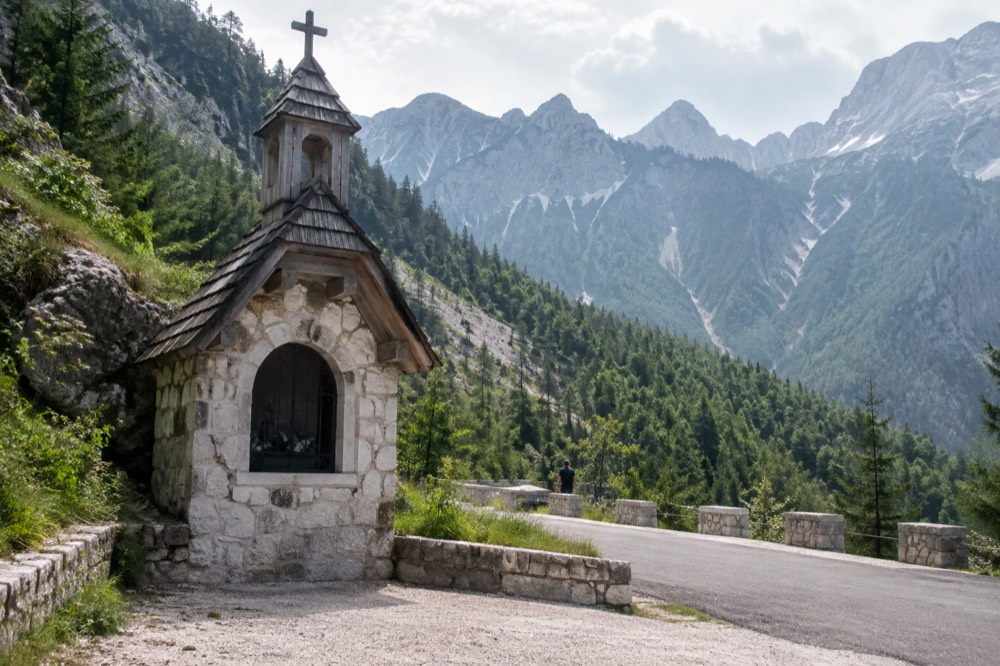
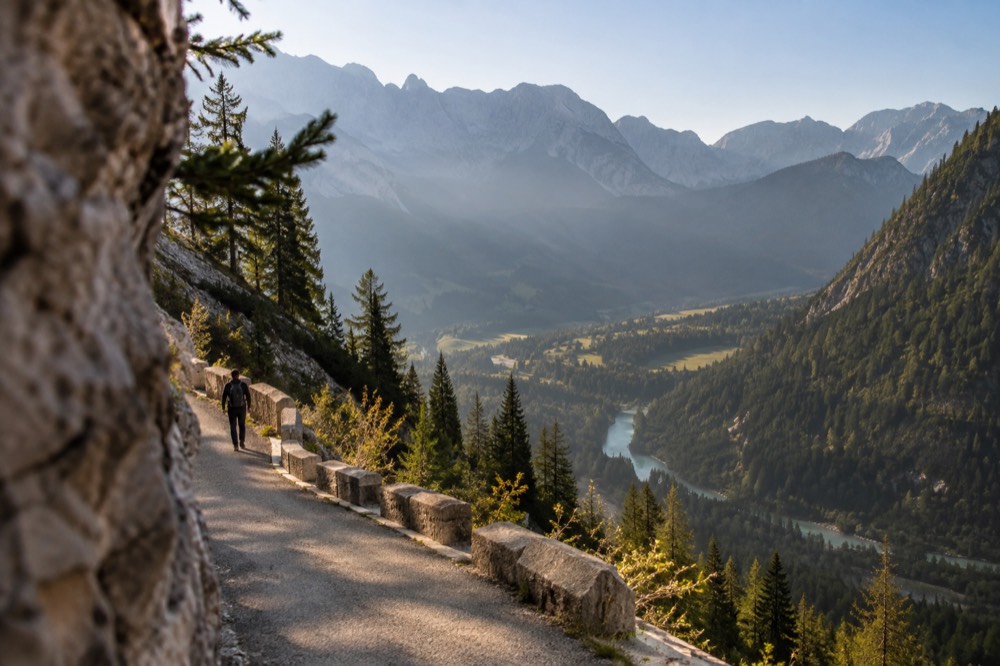
The Vršič road is a well-maintained but narrow, steep, continuously winding mountain road: dozens of numbered hairpins on the Kranjska Gora side, tight stone-walled sections, and a surface that is asphalt throughout in summer but exposed to rockfall and rapid weather changes. It is comfortably drivable for anyone used to alpine roads, and genuinely demanding for anyone who is not. Motorhomes and trailers should think hard before committing.
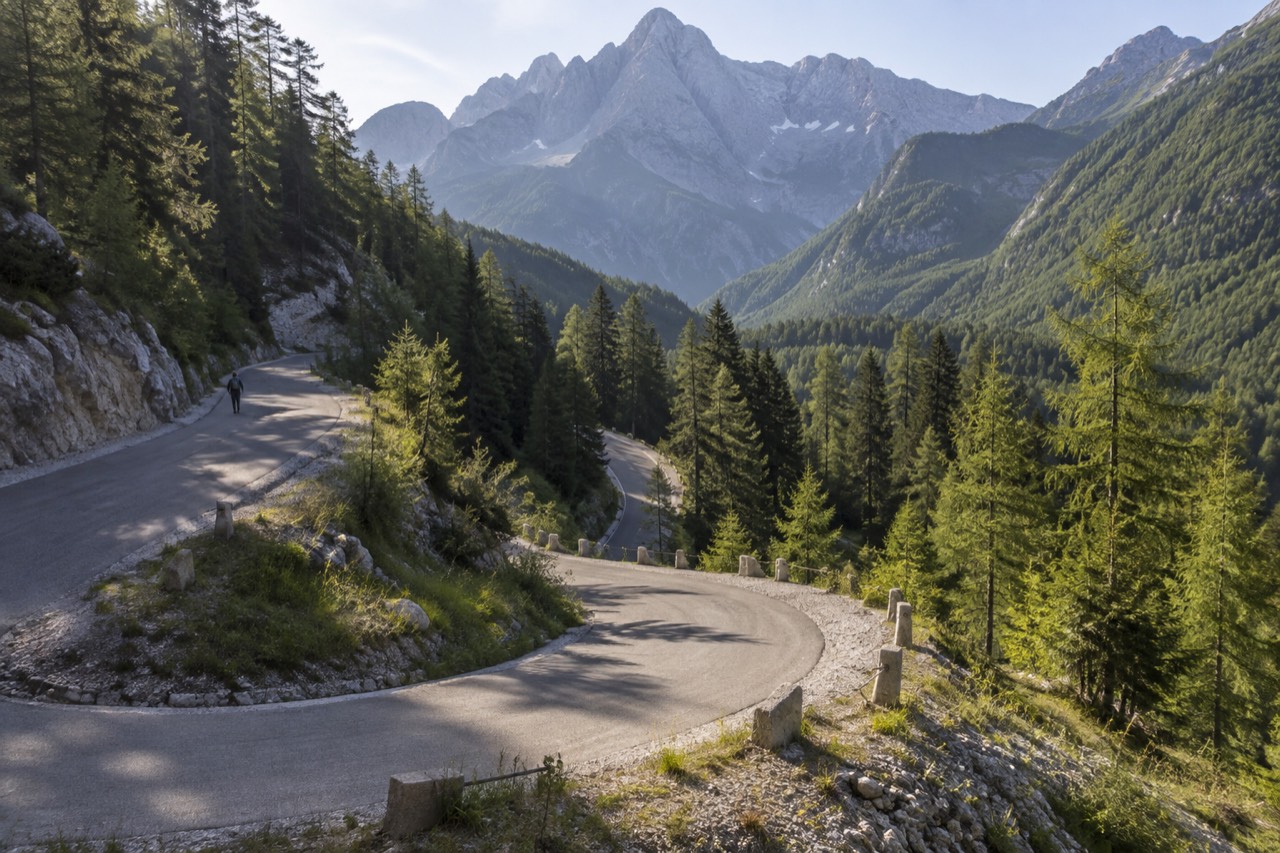
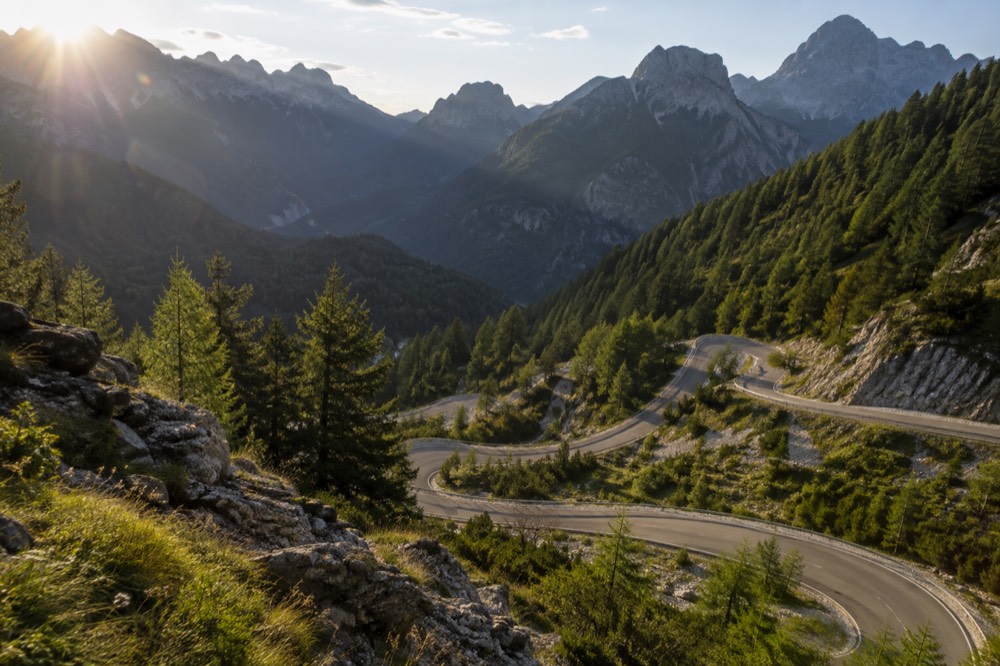
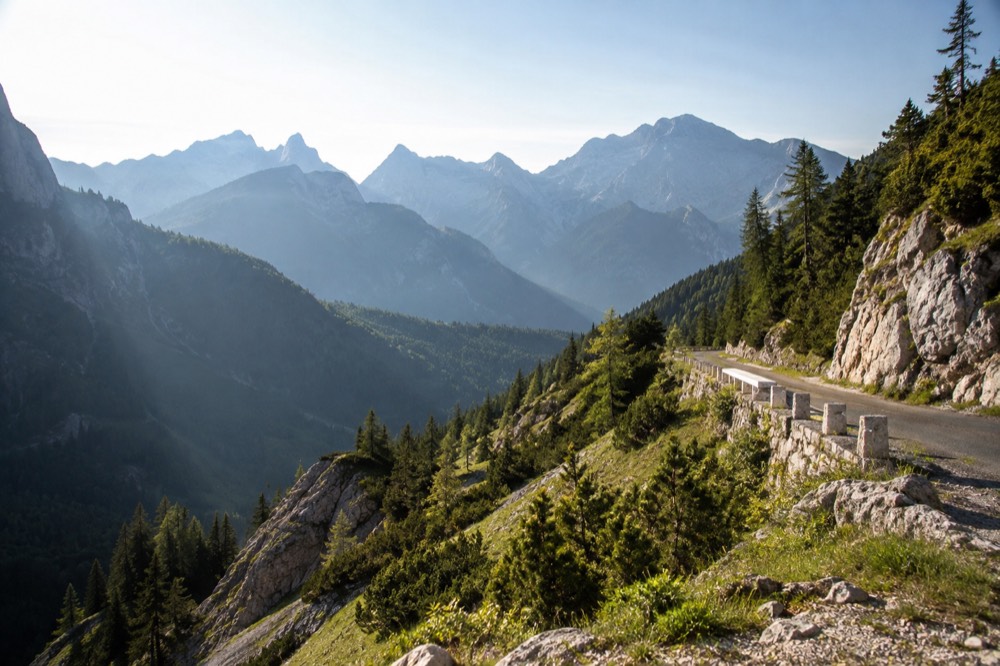
The climb is the part people remember. The north side rises from Kranjska Gora through forest and then open rock, and the hairpins arrive in sequence, each numbered, each tight enough that coaches need the full width. In July and August, tour buses use the road daily, and the etiquette of alpine passes applies: the more manoeuvrable vehicle yields, and patience is the local custom. The south side down to the Soča is a different character entirely, longer straights between bends, open meadow country, and the first sight of the river's turquoise is the emotional payoff of the whole crossing.
Surface-wise, the road is kept in good condition through the open season, because it is a functioning through-route for the Soča valley towns as well as a tourist attraction. What it is not is forgiving of bad decisions. The pass closes in winter, and in the shoulder months it can open late or close early on any given day. Rockfall is a fact of limestone mountains, and a storm the night before can leave debris on the bends. Drive it in daylight, in dry conditions, with a full tank, and check the road status before you leave Ljubljana rather than after you reach Kranjska Gora.
Practical driving notes that hold for any alpine pass: use the pull-ins to let faster traffic past, keep to your lane on the blind bends, expect cyclists on the climb in summer, and do not park where the road narrows. The viewpoints are marked and frequent, and there is no reward for stopping somewhere dangerous to save two minutes of walking.
When Is the Best Time of Year to Drive the Vršič Pass?
The pass season runs roughly late spring to early autumn, with July and August the safest bets for an open road but also the busiest for coaches and cyclists. June and September are the sweet spots: full opening hours, thinner traffic and better light for photography. The road closes for winter, and in the shoulder months a single storm can shut it for days, so never build a Ljubljana itinerary that depends on the pass being open.
The seasonal logic of the Julian Alps is not the same as the logic of the city, and this is where the site's climate data earns its keep. Ljubljana sits in a basin at 299 m; the high country around the pass sits well over a kilometre higher, and the weather at the top has nothing to do with the weather at your hotel. A clear, warm morning in the city can be a cold, cloud-wrapped afternoon on the pass, and the reverse happens too, in exactly the way that surprises people.
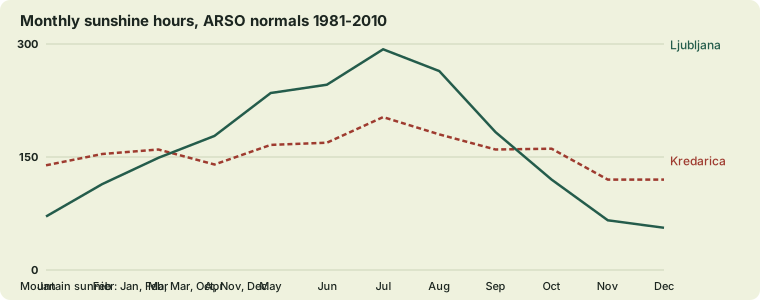
The single most useful planning fact is this: in winter the mountains are sunnier than the city. ARSO's published 1981-2010 normals put Ljubljana at 56 hours of sunshine for the whole of December and 71 in January, while Kredarica, the high station at 2514 m on Triglav, records 120 and 139 hours over the same months. The city sits under a temperature inversion and its own fog, while the peaks above it are in sunshine. That cuts both ways for a pass trip: a winter day when the city is grey can be spectacular up high, but the pass road itself will be closed, so the winter version of this trip is the guided Julian Alps tour that sticks to the open valley roads, not the crossing.
| Month signal | Ljubljana (299 m) | Kredarica (2514 m) | What it means for the pass |
|---|---|---|---|
| January sunshine | 71 hours | 139 hours | Road closed; mountains sunnier than the city |
| December sunshine | 56 hours | 120 hours | Road closed; valley tours are the alternative |
| July sunshine | 293 hours | 203 hours | Peak season: open road, peak traffic |
| September sunshine | 183 hours | 160 hours | Open road, thinner crowds, best light |
| October sunshine | 120 hours | 161 hours | Late-season opening, check status daily |
The shoulder-month warning deserves its own sentence. September and October look like golden autumn on a Ljubljana calendar, and the city is at its most beautiful, but the same months are the foggiest and wettest of the whole year in the basin. The pass may well be open and glorious while the city is under cloud, or the pass may be shut after an early snowfall while the city is mild. The only reliable move is to check the road status the same morning and hold a flexible day.
What Should You Pack for the Vršič Pass Day?
Pack for two climates in one day: sun protection and a T-shirt for the valley stops, plus a genuine warm layer, windproof if possible, for the top of the pass, where the temperature can sit far below the Ljubljana forecast even in summer. Add water, food or picnic money because options on the pass itself are thin, a full fuel tank, and offline maps, since mobile coverage drops in and out through the crossing.
The clothing advice is not boilerplate. The pass top is a high, exposed ridge, and the difference between the Kranjska Gora valley and the summit of the road can feel like a month of seasons. ARSO's data shows the pattern at scale: the high stations run dramatically colder than the basin in every month, and wind on an open ridge strips heat fast even on a day that starts warm. A fleece and a windbreaker weigh nothing in a day pack and define the difference between a twenty-minute viewpoint stop and a two-minute one.
Food and water are the second tier. The towns at each end, Kranjska Gora on the north and the Soča valley villages on the south, have restaurants and shops, but the pass itself is essentially uninhabited mountain road, and the huts and stops along it have limited hours outside peak summer. A picnic turns the best viewpoint into the best meal of the trip; relying on what is open turns it into a queue. Carry more water than feels necessary, because the day is long and the driving is dehydrating in a way people do not expect.
The third tier is car and phone practicalities. Fuel up before leaving the main road network, because mountain stations are sparse and seasonal. Download the offline map for the whole loop, since coverage on the south side is patchy in the valleys. And carry the number of your accommodation and a paper note of the route, the old-fashioned backup that costs nothing. If you are crossing into the wider region on other days, the same kit serves the Soča Valley and Kranjska Gora pages on this site.
What Are the Best Stops on the Vršič Pass Drive?
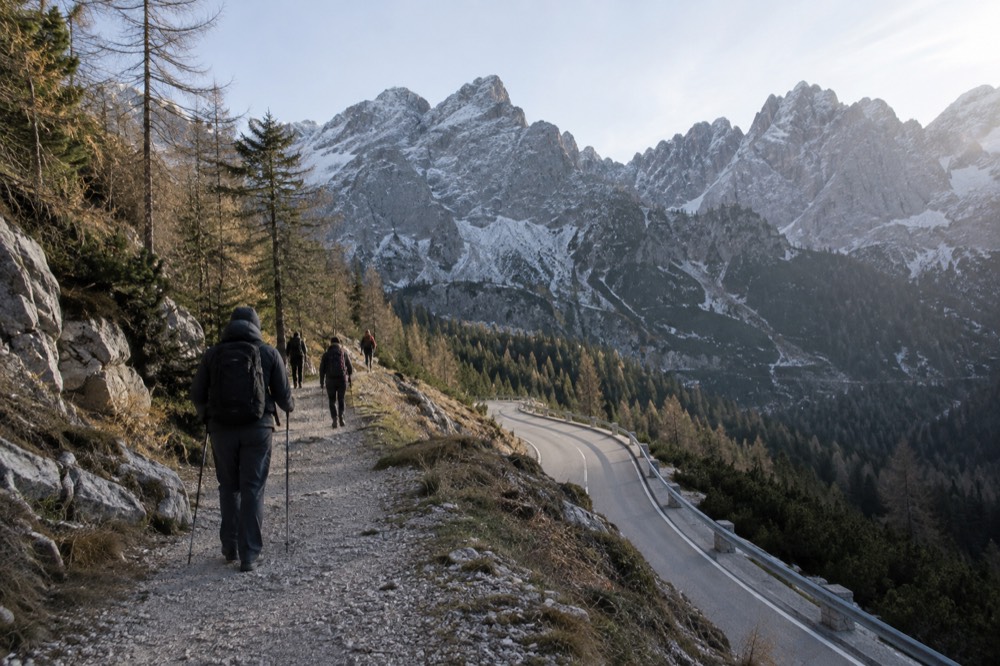
The drive splits into three acts: Kranjska Gora and the alpine meadows on the approach, the hairpin climb itself with its numbered viewpoints and short walking trails, and the Soča side, where the river towns and the turquoise water are the payoff. Give the top of the pass real time, not a photo stop, because several short trails start from the summit area and the best views are a few minutes' walk from the tarmac.
Kranjska Gora is the natural staging point, a proper ski town with parking, coffee and the last reliable shops before the climb. It is worth arriving early enough to see it in morning light, because the town sits in a bowl with peaks on three sides and the early sun on the walls above is the best free show in the region. From there the road commits to the climb, and the numbered hairpins begin. The pull-ins are the stops: each one frames the valley you just left, and the higher ones open views across the ridge system toward Triglav country.
The summit area is where most day trips underinvest. The pass top is not a single viewpoint but a small plateau of trails, short walks and long views, and the difference between a five-minute stop and a forty-minute stop is the difference between a drive and a day. In summer the huts and the trailheads make it a genuine half-destination. Walk fifteen minutes from the car and the road noise disappears entirely, which is not something every mountain pass can offer.
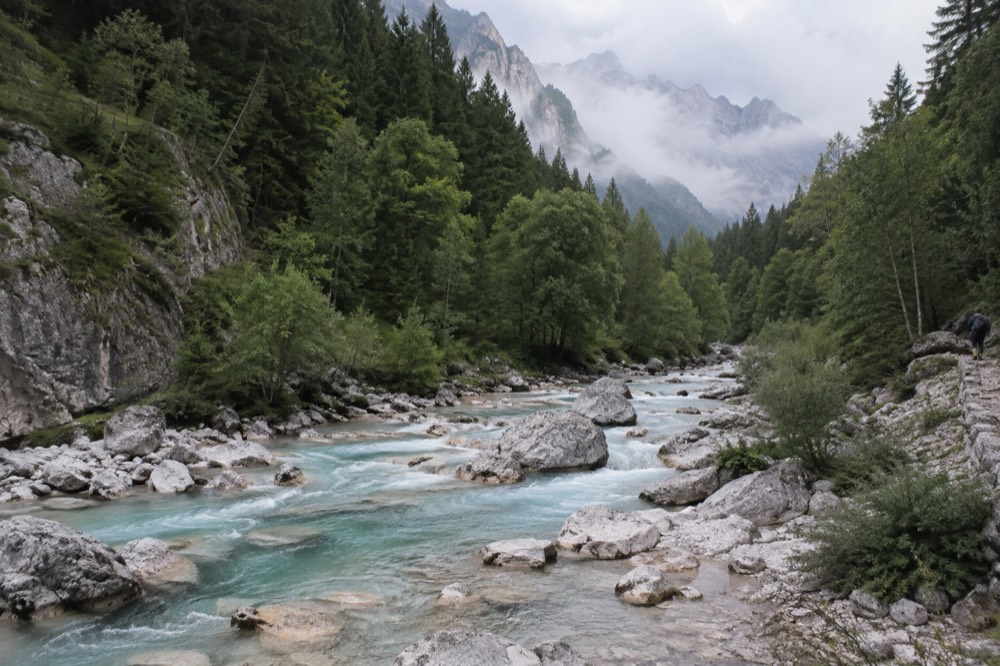
The south side is the reward leg. The descent opens into high meadow country and then funnels toward the Soča, and the river's colour, that improbable grey-turquoise, is the image most visitors came for. The valley towns are small and low-key, built around the water rather than around tourism, and the riverside stops in the late afternoon light are the photographs that survive the trip. For the full picture of the south side, the Triglav National Park guide covers the park that contains the entire crossing, and entry to the park is free, so no stop on this drive needs a ticket.
What If the Pass Is Closed or the Weather Turns Bad?
If the pass is shut, the region still delivers: the Soča Valley is reachable on the valley roads without the crossing, Kranjska Gora works as a destination in itself, and the karst caves to the south hold roughly the same temperature year round, which makes them the most reliable bad-weather product in the country. Postojna Cave runs at 10 C in every season and operates every day including holidays and bad weather, so a washed-out pass day converts cleanly into a cave day.
The cave conversion is the strongest plan B in Slovenian travel, and it is worth booking with that in mind. The [Postojna Cave and Predjama Castle tour](/tours/ljubljana-postojna-cave-and-predjama-castle-tour/) runs 5 hours 30 minutes, is rated 4.9 from 474 reviews and starts at $80, while the fuller tickets-and-tour version runs 6 hours at 4.8 from 2802 reviews from $132. Postojna's own published figures state the cave holds 10 C year round and opens every day regardless of weather, which is the exact opposite profile to a mountain pass. A day that starts with a closed-road notice can end under stalactites.
Closer to the mountains, the downgrade options are gentler than people fear. A closed pass still leaves the Kranjska Gora side, the alpine valleys and the lower Soča reachable on normal roads, and the guided tours reroute rather than cancel, because their operators know the mountain's moods. The Triglav National Park full-day tour at 12 hours has the flexibility built into its length: the same day can be a pass day or a valley day depending on what the ridge is doing. If your whole Slovenian week hangs on one mountain day, book the tour early in the trip so a washout can be retried later in the week.
And if the weather is merely grey rather than dangerous, remember the inversion fact: the city is the cloudy place in this relationship. Ljubljana records 130 overcast days a year against 37 clear, while the high stations win the winter sunshine by a factor of two. A dull forecast in the basin is not evidence about the pass. Check the road status, check the mountain webcams, and let the ridge, not the hotel window, make the call.
How Does the Vršič Day Fit Into a Wider Ljubljana Itinerary?
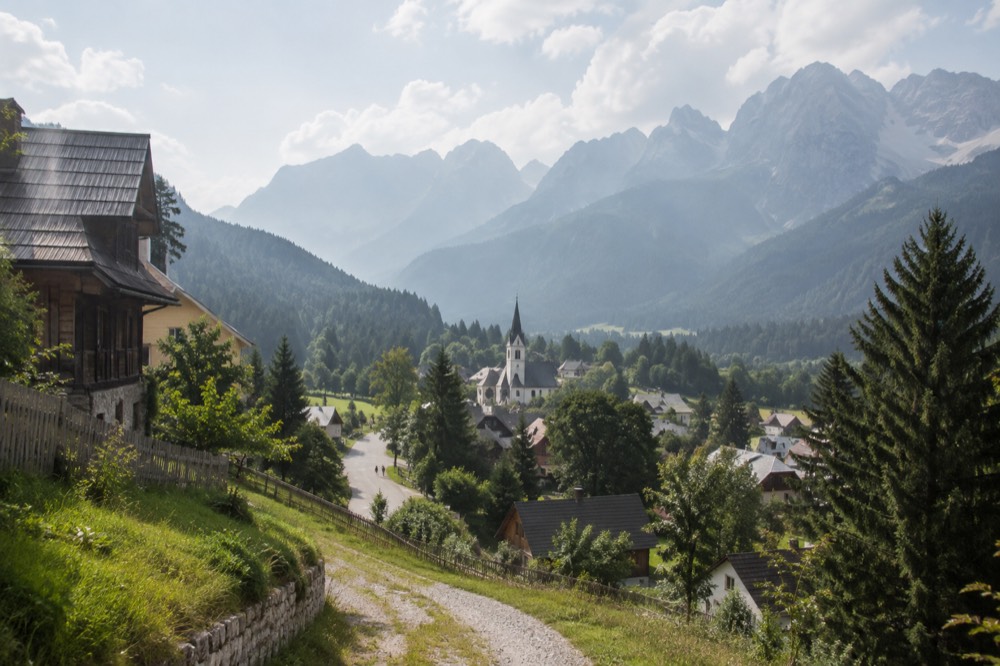
The pass drive is a big-ticket day, so build the week around it rather than squeezing it between others: arrive in Ljubljana, spend a day or two in the city itself, then dedicate one full day to the Julian Alps crossing, ideally mid-week when coach traffic is lighter. Visitors average about two nights in Ljubljana, per the national statistics office's published arrivals and overnights, so most travellers pick either the pass day or the city, and the honest advice is to stretch to three nights and take both.
The two-night statistic is worth internalising. Slovenia's statistical office recorded 1,392,728 tourist arrivals and 2,844,129 overnight stays in the Ljubljana municipality in 2025, which divides out to an average stay of about 2.04 nights. The market has voted: Ljubljana is a short-break city. But a short break that includes the Vršič crossing needs a third night, because a ten-to-twelve-hour day trip inside a two-night stay means one full day in the city and one day in the mountains, with no slack for weather.
| Itinerary shape | Nights | Pass day | Verdict |
|---|---|---|---|
| City break | 2 | None | Misses the Julian Alps entirely |
| City plus one big day | 3 | Vršič or Bled, not both | The realistic minimum |
| Full week | 5-7 | Vršič plus Bled plus coast | The complete Slovenia sweep |
The pairing question comes up constantly, and the answer is that the pass and Lake Bled are different days, not substitutes. Bled is the headline, the Lake Bled day tour runs 6 hours from $57, while the pass crossing is the deep cut for people who want the country's wild side. A week can hold both comfortably. A weekend should pick based on temperament: Bled for the postcard, Vršič for the road. The Lake Bled and Triglav National Park small-group tour splits the difference at 10 hours, rated 4.8 from 140 reviews from $115, if you want alpine scenery with the lake as the anchor.
For building the city days themselves, this site's one day in Ljubljana and best time to visit Ljubljana guides carry the detail, and the practical background is stable: Slovenia is in the European Union, uses the euro and is inside the Schengen area, so a crossing from Italy or Austria before your drive day is a border-free run and no currency change is needed. The airport at Brnik sits about 26 km from the city, so an arrival-morning drive day is possible in principle but unwise in practice.
The Bottom Line on the Vršič Pass Drive
Do the Vršič Pass drive if you have one full day, a tolerance for mountain roads and a flexible weather plan; it is the most dramatic day trip available from Ljubljana, and the guided version at 10h 30m, 4.9 from 911 reviews and from $132, removes every variable except the scenery. Skip it if your stay is two nights or less and the forecast is uncertain, and spend the day on the lake or in the caves instead.
The choice between the three guided products in the table above is mostly a choice of depth. The Soča and Kranjska Gora tour is the pass-and-valley classic. The Triglav National Park tour at 12 hours goes deeper into the park for an extra two hours on the clock. The Soča Valley tour is the same country seen through a second operator. All three are rated 4.9, which says the route itself is the product, and the operator is a detail.
Whatever you choose, book the mountain day early in your stay rather than late, hold a cave or valley alternative in your pocket, and check the road status on the morning itself. The mountain makes its own appointments. For everything else on the ground, the Ljubljana Travel Guide homepage carries the full picture of the city your drive starts and ends in.
Common Questions About the Vršič Pass Drive from Ljubljana
Can you drive the Vršič Pass from Ljubljana in one day?
Yes, comfortably. The published guided tours of the same route run 10 to 12 hours door to door, so a self-drive day follows the same clock. Plan a full day, leave early, and keep the whole crossing in daylight.
Is the Vršič Pass road open all year?
No. The pass is a seasonal mountain road that closes for winter and reopens once conditions allow, typically from late spring. In shoulder months it can open late or close early on any given day, so check the road status the same morning before committing.
Is the Vršič Pass drive difficult?
It is demanding but not extreme: a narrow, continuously winding alpine road with numbered hairpins on the Kranjska Gora side and coach traffic in peak summer. Drivers used to mountain roads will find it straightforward. Nervous drivers should take the guided tour instead and enjoy the window seat.
What is the best month to drive the Vršič Pass?
June and September, for open-road reliability with lighter traffic and good light. July and August are the safest bets for the road being open but the busiest for coaches and cyclists. October trips are possible but carry a rising chance of early closure, and September and October are statistically the foggiest and wettest months down in Ljubljana itself.
Do I need a tour for the Vršič Pass or can I self-drive?
Self-driving is entirely feasible for a confident driver with a solid forecast. The guided tours, from $132 for the 10h 30m Soča and Kranjska Gora day, buy you a driver who does the road weekly, so you get the views instead of the tarmac. Choose based on your comfort with hairpins, not on price alone.
What if the pass is closed on my day?
Convert the day rather than cancel it. The Soča Valley is reachable on valley roads without the crossing, and the karst caves to the south hold about 10 C year round and open every day regardless of weather; the Postojna Cave and Predjama Castle tour runs 5h 30m from $80 as the classic plan B.