Which Part of Ljubljana Is Best to Stay In?
A practical area-by-area guide to choosing where to stay in Ljubljana, comparing the Old Town, the centre, Trnovo and Bežigrad on price, noise and walkability.
Which Part of Ljubljana Is Best to Stay In?
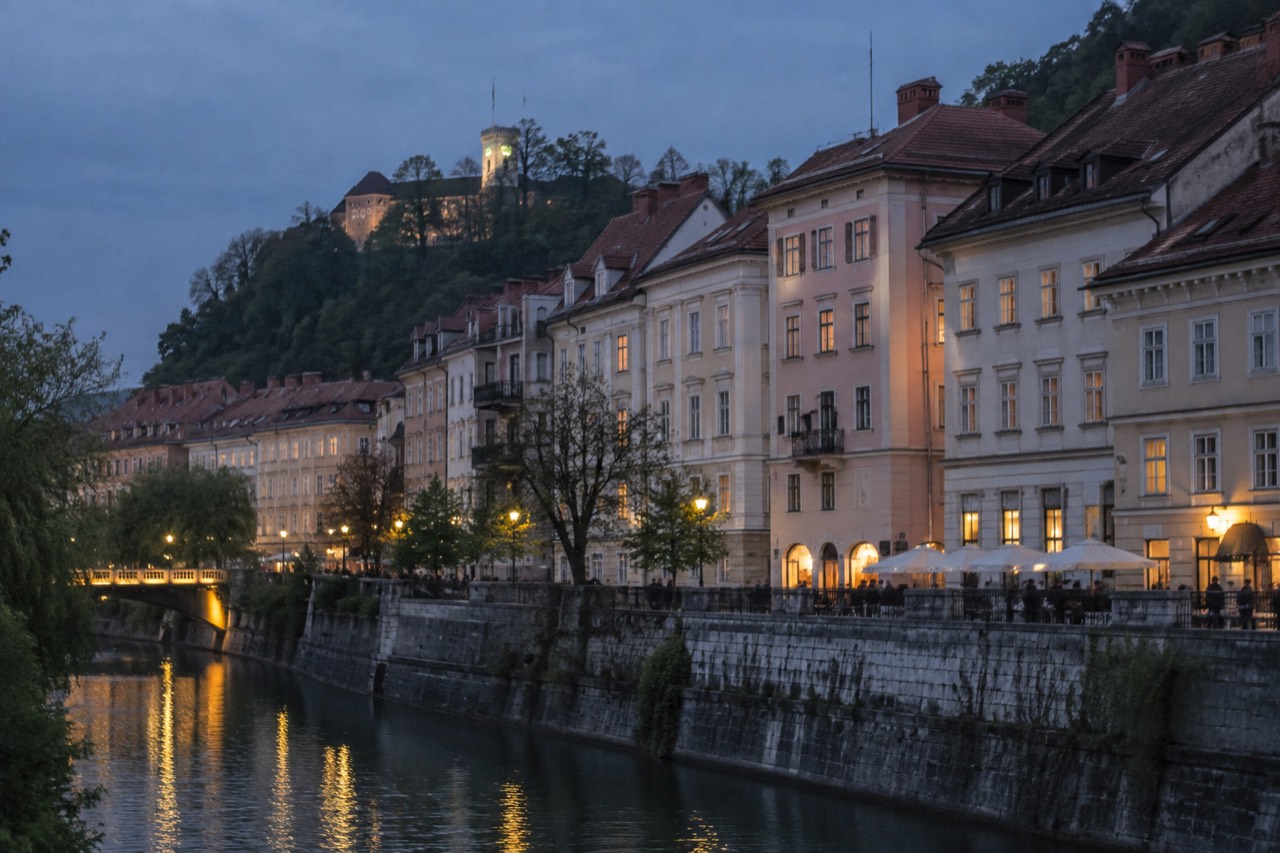
For most visitors the best part of Ljubljana to stay in is the pedestrianised historic centre or the streets just across the river from it, because the whole core is walkable, the castle and the market sit on your doorstep, and the bus and coach hubs for day trips are ten to fifteen minutes on foot. Visitors who want quieter, more local surroundings should look at Trnovo or the Bežigrad side, both within easy reach of the centre.
Ljubljana rewards a short decision process. The city's own arrival figures make the point: the Statistical Office of Slovenia recorded 1,392,728 tourist arrivals and 2,844,129 overnight stays in the municipality in 2025, an average of about 2.04 nights per visitor. This is a two-night city, and almost every part of it sits within a twenty minute walk of the main square, Prešernov trg. The choice of area is therefore less about distance and more about noise, price and the kind of evening you want.
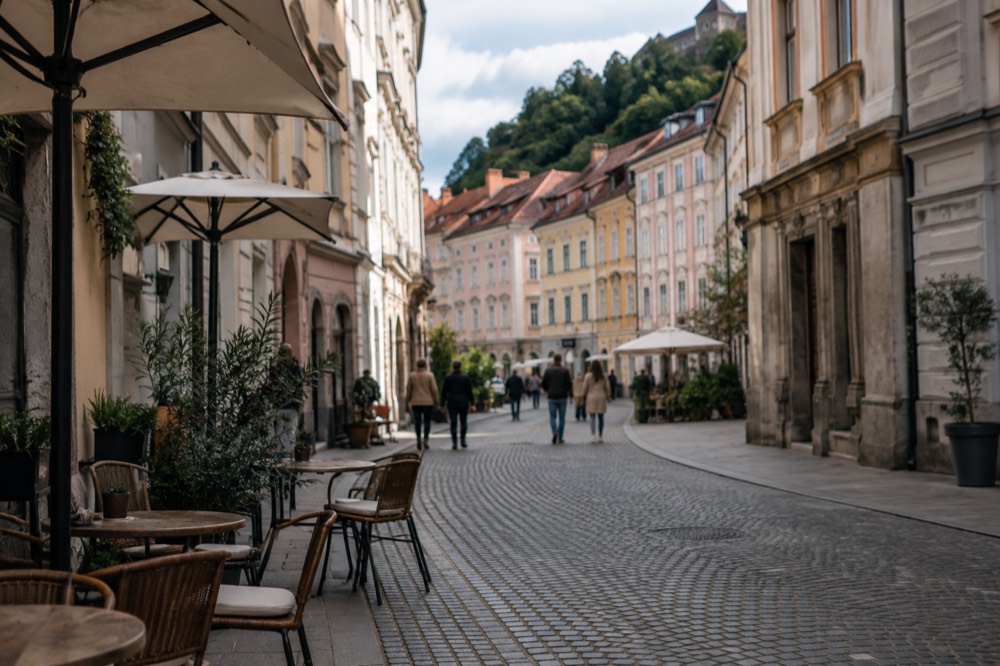
The single most useful fact for anyone booking a room in the middle is that the historic core is a pedestrian zone of roughly twenty hectares, progressively closed to general motor traffic since 2007, as the city's own mobility pages document. Staying inside that zone means no traffic noise outside your window, but it also means taxis and [airport transfers](https://tpk.ro/o5VLPVUy) drop you at the edge and you walk the last stretch with your luggage.
Here is how the main candidate areas compare on the things that actually matter when booking.
| Area | Best for | Noise level | Walk to Prešernov trg | Character |
|---|---|---|---|---|
| Old Town, right bank | First visits, sights, atmosphere | Moderate, lively evenings | 2-5 minutes | Baroque lanes, riverside cafes |
| Centre, north of the river | Practicality, transport, food market | Low to moderate | 5-10 minutes | Hotels, the market hall, business streets |
| Trnovo | Quiet, local, riverside | Low | 15-20 minutes | Village feel, students, garden squares |
| Bežigrad | Longer stays, value | Low | 20-25 minutes | Residential, near the station and stadium |
| Metelkova area | Nightlife, alternative culture | High on weekends | 10-12 minutes | Autonomous cultural zone, clubs, street art |
The deeper detail on each area, and on the trade-offs the comparison table hides, is covered in the site's full where to stay in Ljubljana guide.
Is the Old Town the Best Area for First-Time Visitors?
Yes, for a first visit the Old Town is the best base, because Ljubljana Castle, the Triple Bridge, Prešernov trg and the Central Market are all within a few minutes of your door, and the riverside cafe and restaurant strip is where the city's evening life concentrates. The trade-off is that rooms cost more and weekend nights are louder than anywhere outside the Metelkova quarter.
The Old Town occupies the right bank of the Ljubljanica between the castle hill and the water. Its lanes are narrow, its buildings are the baroque and Plečnik-era stock that gives Ljubljana its postcard look, and its ground floors are almost entirely given over to cafes, restaurants and wine bars. A first-time visitor staying here loses nothing except a little quiet.
Two practical notes. First, the castle grounds are free to wander, while the funicular and the castle attractions are paid, so a castle view from your window costs nothing to enjoy even if you never buy a ticket. Second, the old town is car-free, so confirm with your hotel where a taxi or an airport transfer can actually drop you; the nearest a vehicle gets is the edge of the pedestrian zone.
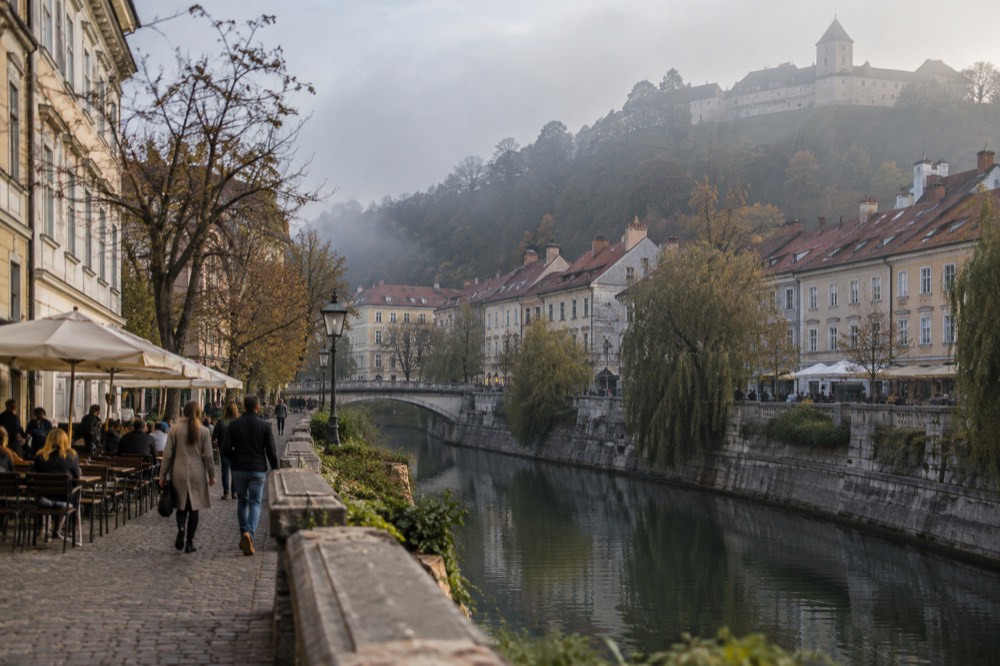
The Old Town is also where the free walking tours gather, and a tips-based walk is a genuinely good first-morning activity. The Old Town Walk, Romans to Dragons, run on the GuruWalk platform, is a two-hour tips-based tour rated 4.91 across 1,496 reviews, and it covers the route from the Roman walls to the Dragon Bridge in one loop.
Staying in the middle also shortens the walk home from the evening's entertainment. On Fridays from roughly March to November, the Odprta Kuhna open-air food market runs on Pogačarjev trg from 10:00 into the evening, and the tourist board's own event page is careful with its wording: the market runs "every sunny Friday", which is literal, and it is cancelled in bad weather. If you are staying in the Old Town you can decide on the day, walk two minutes, and be eating within sight of your hotel.
Where Should You Stay to Avoid the Crowds?
Trnovo, on the left bank south of the centre, is the best area for visitors who want calm, local streets, because it sits on the Ljubljanica with its own small bridge, its own church and a village rhythm that has survived the city growing around it. The Bežigrad district north of the station is the other quiet option, more residential and usually better value.
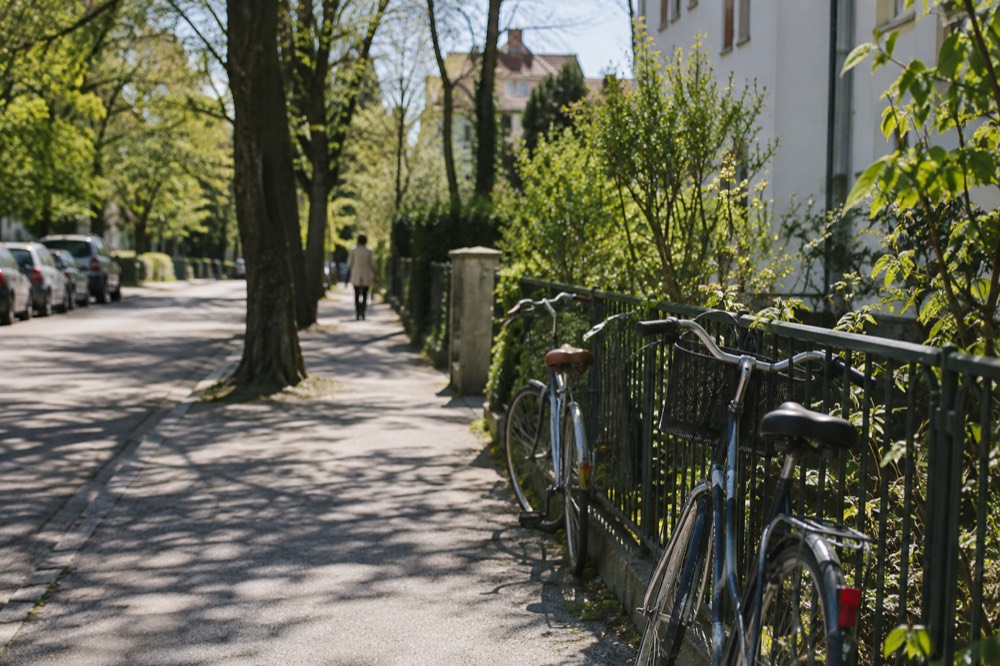
Trnovo is where the Trnovo parish church of St John the Baptist stands by one of the oldest river crossings in the city, and where Plečnik built his only church interior in Ljubljana. It is a fifteen to twenty minute walk to Prešernov trg, which in this city counts as close. The streets are low, green and quiet, and the restaurants along the riverbank are the kind locals actually use rather than the kind aimed at visitors.
Bežigrad, north of the rail line, trades charm for practicality. It sits beside the station, which matters if your itinerary leans on day trips, and it is a straightforward tram-and-bus ride from the centre. The area around the stadium and the Stožice park is residential, unfussy and cheaper than the core.
One honest caveat about "quiet" in this city: Ljubljana sits in a basin and fogs in. ARSO's 1971-2000 normals record 91.2 days with fog a year, and the foggiest months are September and October at 12.4 days each, level with December. A quiet street in Trnovo in October can be quiet under grey murk for a week. The same inversion that traps the fog means the hills above are often in sunshine, which is a good argument for a room with a view up rather than along the river.
Wherever you sleep, the morning commute into the core is cheap. City buses take contactless bank cards and mobile wallets on board, but not cash, and a single zone 1 fare is 1.50 EUR for ninety minutes including transfers, per the operator LPP's published payment table. The Urbana card itself costs 2.00 EUR if you prefer one.
Which Part of Ljubljana Is Best for Nightlife and Local Life?
The streets between the river and Metelkova, on the eastern edge of the centre, are the best base for nightlife, because the riverside bar strip, the riverside walk itself and the Metelkova autonomous cultural zone are all within a short walk of each other. Visitors who want sleep should stay further out and travel in for the evening instead.
The riverside strip along the Ljubljanica is where Ljubljana's evening happens: the bars under the arches on Petkovškovo nabrežje and Poljanski nasip fill from early evening in warm months. The [Metelkova](/attractions/metelkova/) area, a former army barracks turned autonomous cultural centre, adds clubs, live venues and street art a few minutes further east. The tourist board's page on the quarter notes entry to the area is free while individual clubs set their own covers, and that it is busiest Friday and Saturday.
The trade-off is obvious: this is the loudest part of the city after dark. Rooms facing the river here are for people who plan to be part of the noise, not people recovering from a day trip. If that is your trip, be honest about it when booking, and check which side of the building your room faces.
Where Is the Best Place to Stay for Day Trips?
For a day-trip-heavy itinerary the best place to stay is anywhere within a fifteen minute walk of the main bus station or the railway station, both on the northern edge of the centre, because the coaches to Lake Bled, the caves and the coast all depart from there, and every guided day tour collects from central hotels anyway.
Most guided day trips from the city collect from a handful of central pickup points, so the exact street matters less than you might think. What matters more is the independent travel: if you plan to reach Lake Bled or the coast under your own steam, the coach station on the northern edge of the centre is your hub, and staying in Bežigrad or the northern centre puts it at your door.
The biggest single day-trip draw is Lake Bled, which carries more search demand than the entire city, and the caves are the reliable wet-weather answer because they hold roughly the same temperature year round. Postojna Cave holds 10 C all year, so the operator's own guidance is to arrive dressed for it even in August.
The Postojna Cave and Predjama Castle tour from Ljubljana is the strongest single cave option: six hours, rated 4.8 across 2,802 reviews, from $132, and it handles the tickets and the transfer in one booking. The site's Postojna Cave guide covers the independent alternative if you would rather travel yourself.
For lake days, the day trips from Ljubljana guide runs through the full menu, from Bled and Bohinj to the Soča Valley and Piran.
How Much Does It Cost to Stay in Each Area?
Ljubljana's tourist tax is 3.13 EUR per person per night, a 2.50 EUR tax plus a 0.63 EUR promotion surcharge, with a half rate of 1.57 EUR for ages 7 to 18 and children under 7 exempt, and it applies in every area of the city. Room rates themselves are date-specific and this site does not quote them, but the pattern is consistent: the Old Town is the most expensive area, Trnovo and Bežigrad the least.
The tax, published on the tourist board's own travel information page, is the one fixed, sourceable cost attached to a bed in this city, and it is usually collected by the accommodation rather than added at booking. Everything else in the price of a stay moves with the season, and no honest guide can print a nightly rate that survives the month.
| Cost item | Figure | Notes |
|---|---|---|
| Tourist tax, per person per night | 3.13 EUR | Half rate 1.57 EUR for ages 7-18 |
| Bus single, zone 1, 90 minutes | 1.50 EUR | Contactless card on board, no cash |
| Castle ticket with funicular, adult | 19.00 EUR | Grounds themselves are free |
| River cruise, Barka Ljubljanica, adult | 15 EUR | 50 minutes from Breg 1 |
| Free museums, first Sunday of month | 0 EUR | National institutions, monthly |
That last row is worth planning around. The national institutions, including the National Gallery and the Slovenian Ethnographic Museum, admit visitors free on the first Sunday of every month, each confirmed on its own official site, and nearly all of them close on Mondays. A Sunday-to-Tuesday stay in the centre catches the free day and loses nothing to closures; a Monday-heavy stay in the outer districts loses the museum afternoon entirely.
This site, Ljubljana Travel Guide, keeps the full price breakdown for the city in its Ljubljana prices guide, which is worth a read before you commit to an area.
Common Questions About Where to Stay in Ljubljana
Which Part Of Ljubljana Is Best To Stay In?
For most visitors the best part of Ljubljana to stay in is the pedestrianised historic centre or the streets just across the river from it, because the whole core is walkable and the day-trip hubs are ten to fifteen minutes on foot. Quieter, more local alternatives are Trnovo and Bežigrad.
Is the Old Town too noisy for a good night's sleep?
It can be on weekend nights, especially along the riverside bar strip. Ask for a room facing away from the river, or stay in Trnovo and walk in for the evening.
Can you reach the centre easily from the outer areas?
Yes. Ljubljana is compact, buses take contactless cards on board at 1.50 EUR for a ninety minute zone 1 fare, and Trnovo and Bežigrad are also walkable to the core in twenty to twenty five minutes.
Which area is best if you plan mostly day trips?
Stay within a fifteen minute walk of the main bus and railway stations on the northern edge of the centre. Guided tours collect centrally regardless, but independent coach travel to Bled, the caves and the coast departs from there.
Does the tourist tax apply everywhere in the city?
Yes, 3.13 EUR per person per night across all areas, with a half rate of 1.57 EUR for ages 7 to 18 and under-7s exempt.