Is Ljubljana Good for Tourists?
A straight answer to whether Ljubljana works for tourists: walkability, costs, safety, weather traps and the day trips that make the city a base.
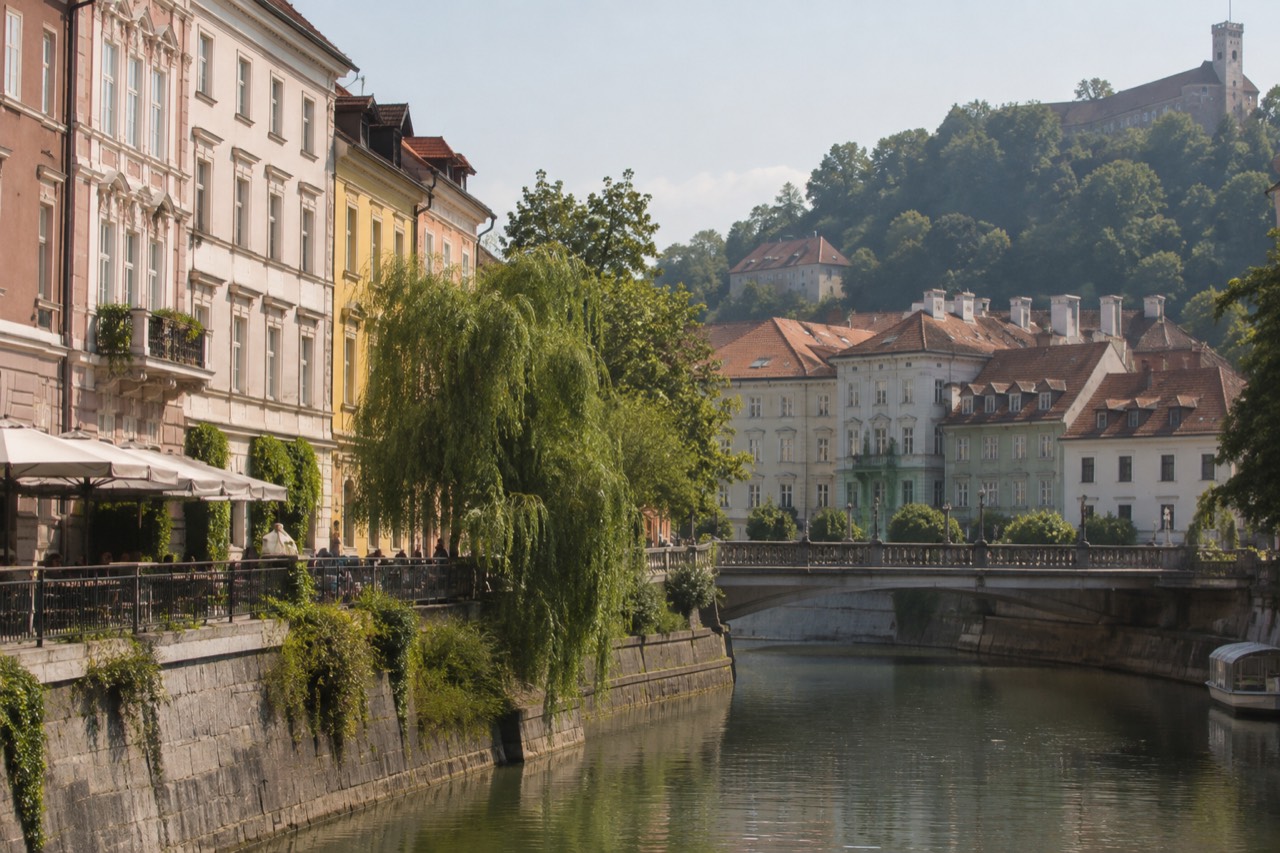
Is Ljubljana Good for Tourists?
Yes, Ljubljana is very good for tourists, and for a specific reason: it is a capital city scaled like a town. The historic centre is pedestrianised, the main sights sit within a fifteen minute walk of each other, and the official figures show it is a two night city, with 2,844,129 overnight stays spread across 1,392,728 arrivals, an average stay of about 2.04 nights. Almost everything a first time visitor wants to see is reachable on foot, the country uses the euro, and Slovenia sits inside the Schengen area, so there is no border formality arriving from Italy, Austria, Hungary or Croatia.
That is the short version. The longer version is that Ljubljana works as a destination in its own right and as a base, because Lake Bled, the karst caves and the Adriatic coast are all realistic day trips. It also has real weaknesses, mostly to do with autumn and winter weather, and this page covers both sides plainly.
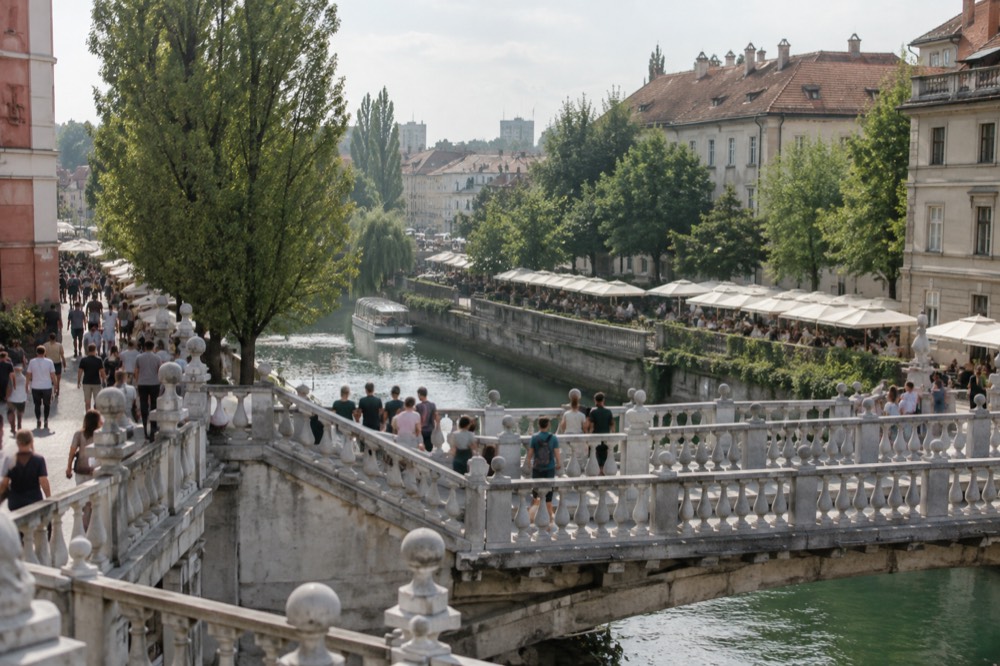
The city's size is its main asset. The part tourists care about, the old core between the castle hill and the river, is compact enough that a fit walker crosses it in twenty minutes. The centre is closed to general motor traffic, a pedestrian zone of roughly 20 hectares that has been progressively expanded since 2007, which means no traffic noise, no crossing waits and no confusion about where the scenic part starts. It starts more or less when you step out of your hotel.
There is a rhythm to the city that suits short visits. The riverside fills with market stalls on Vodnikov and Pogačarjev trg most of the week, the Open Kitchen street food market runs on Fridays on Pogačarjev trg from roughly March to November, and the castle hill anchors the south side of the centre. If you want a deeper look at whether the city justifies the trip at all, the companion piece on whether Ljubljana is worth visiting works through the value question in detail.
What Does Ljubljana Offer That Other Capitals Do Not?
Ljubljana's offer is a walkable, car-free centre, a castle on a wooded hill above the river, and a position that puts an Alpine lake, two of Europe's best caves and the Adriatic coast all within day trip range. The city itself is a half day of sights and a full day of atmosphere, and the surrounding country does the heavy lifting: Postojna Cave is about an hour away by road, Lake Bled a similar distance, and Piran on the coast roughly ninety minutes. Few capitals of any size can put a glacial lake, a show cave and the sea within a single day's drive.
Start with the centre, because that is where you will spend your first day regardless of plans. The Triple Bridge, Prešernov trg and the Dragon Bridge sit within a few hundred metres of each other, all of it Plečnik flavoured, and the Ljubljanica river runs through the middle of it all. The castle above is the one sight that needs a decision: the castle grounds are free to enter, while the funicular and the castle tower are not, so know which part you are paying for before you go up. A full funicular return costs 6.00 EUR, and a castle ticket including the funicular is 19.00 EUR for an adult.
Then the day trips, which is where Ljubljana quietly outperforms most capitals its size. The strongest single outing is the karst: Postojna Cave holds a steady 10 C year round and Predjama Castle hangs off a cliff face 9 km away, and a combined tour covers both in six hours without you needing to arrange a car. That is the trip most visitors end up ranking above the city itself, and it is the one this site points people to most often.
Beyond the caves, the classic trio of day trips splits three ways. Lake Bled carries more search demand than the entire city, and a six hour tour from Ljubljana covers the lake and the castle without a [hire car](https://discovercars.tpk.ro/laYIo9hK). The Julian Alps and the Soča Valley fill a longer day for hikers and photographers. And the coast, Piran above all, gives you the Adriatic in an afternoon, which is not something Vienna or Budapest can offer.
A free walk is also a genuinely good option here, and this is one of the few categories where a free product is among the best. GuruWalk runs a tips-based Old Town walk, Ljubljana Unveiled, rated 4.91 across 1,496 reviews, covering Roman roots through to the dragon bridge in about two hours. You pay what you think it was worth at the end. For a first evening or a first morning it is hard to beat as orientation, and the free walking tour guide compares all eight of the free walks available in the city.
Is Ljubljana Easy and Affordable to Get Around?
Yes on both counts, with one catch: city buses take no cash at all, so you need an Urbana card or a contactless bank card or phone to ride. A single zone 1 fare is 1.50 EUR and covers 90 minutes including transfers, and the historic centre itself needs no transport at all because it is pedestrianised. The catch catches people daily, so it is worth stating loudly: cash is not accepted on board, full stop, and no amount of coins will change the driver's mind.
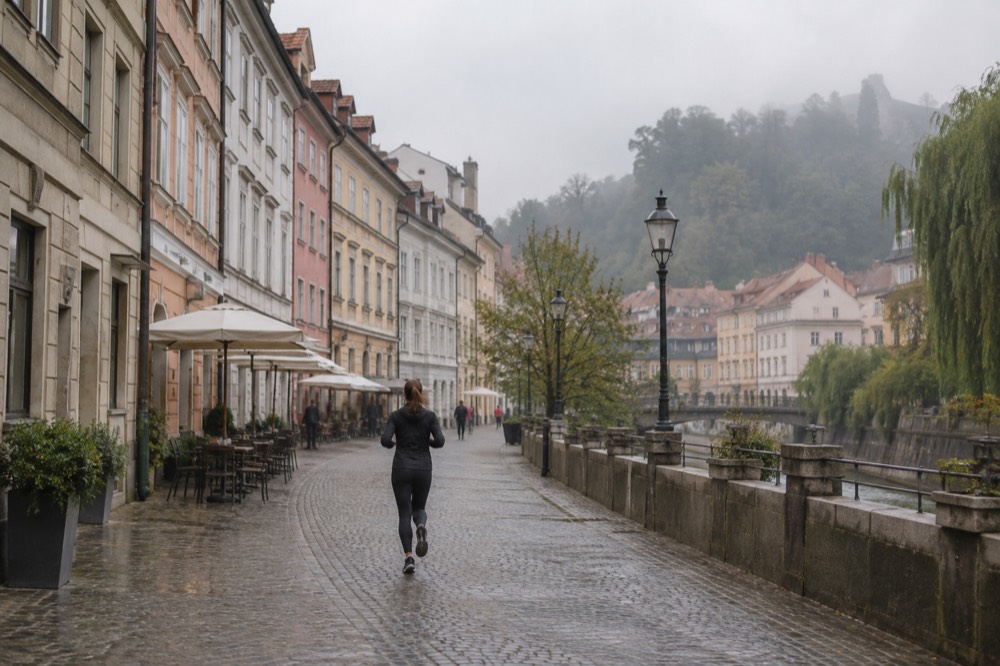
In practice you will walk almost everywhere. The centre's 20 hectare pedestrian zone means the walk from the train station to Prešeren Square takes about ten minutes, and the only real climb in town is the castle hill, which is exactly what the funicular exists to solve. For anything further out, Tivoli Park, Metelkova, the stadium end of Bežigrad, the buses are frequent and the contactless option has removed the old trap of needing to buy an Urbana card before boarding. The full mechanics, including where to top up, are in the guide to paying for public transport in Ljubljana.
Costs sit below most of Western Europe. The tourist tax is 3.13 EUR per person per night, a museum entry runs 6.50 to 12 EUR, a river cruise about 15 EUR, and a glass of wine or a beer with it is modest by capital city standards. The Ljubljana Card, 41 EUR for 24 hours, bundles the funicular, the river cruise, city buses and more than thirty museums, and it only makes sense if you genuinely intend to stack those, which is a calculation rather than an automatic yes. If money is the deciding factor, the piece on whether Ljubljana is expensive for tourists runs the full budget.
| Typical visitor cost | Figure | Notes |
|---|---|---|
| Castle ticket with funicular | 19.00 EUR | Grounds free, tower and funicular paid |
| Funicular return only | 6.00 EUR | 09:00-22:00 May to Sep |
| River cruise, 50 minutes | 15 EUR | Barka Ljubljanica, May to Sep hourly |
| City bus, zone 1 | 1.50 EUR | 90 minutes, transfers included, no cash |
| National Gallery adult | 10 EUR | Permanent collection, closed Mondays |
| Tourist tax | 3.13 EUR | Per person per night |
One more affordability lever that most visitors never hear about: the national museums and galleries are free on the first Sunday of every month, a rule confirmed on the National Museum, National Gallery, MSUM and Ethnographic Museum's own sites. Time a wet first Sunday right and you can fill an entire day indoors for nothing.
The cave day trip is the one item that needs a real slice of the budget, and it is the one most worth planning ahead. The Postojna Cave and Predjama Castle tour from Ljubljana runs six hours, rates 4.8 across 2,802 reviews, and starts from $132 with entry to both sites included. Booking it before you leave home removes the only genuinely awkward logistics in the region, since public transport to Predjama is thin and the cave's timed departures fill up in summer.
If the six hour format sounds right but the price needs a second look, there is a shorter five and a half hour version of the same pairing that starts from $80 and rates 4.9 from 474 reviews, and a longer eleven hour day that adds Lake Bled on top. The caves themselves stay at 10 C whatever the weather outside, which is exactly why they are the reliable answer to a rained out afternoon, and why this tour earns its place as the default day trip from the city.
What Are the Downsides of Visiting Ljubljana?
The honest downsides are weather, scale and Monday closures: the city fogs in for much of the colder half of the year, it is small enough that a third day in the centre runs thin, and most state museums close on Mondays. None of these are disqualifying, but all three shape what kind of trip you actually get, and two of them are things most coverage simply does not mention.
The weather one is the big one, and it is the site's core information gain. Ljubljana averages just 37 clear days a year against 130 overcast ones in ARSO's 1981-2010 normals, and October and November each average a single clear day. In December the city gets 56 hours of sunshine in the entire month, under two hours a day, while Kredarica up on Triglav gets 120 hours over the same month, because the basin inversion that traps the city under fog leaves the mountains in sun. If you visit between October and March, plan to go up: the castle hill, Šmarna gora, a Bled day trip, anything that lifts you out of the basin. The guide to the best time to visit Ljubljana works through the calendar month by month.
Scale is the second. Two days covers the centre properly, which is exactly why the average stay is about two nights, and a third or fourth day only works if you spend it out of town. That is not a flaw so much as a design constraint: Ljubljana is a base with an excellent old core attached, and the visitors who enjoy it most are the ones who treat it that way. If you are weighing a longer stop, the piece on how many days to spend in Ljubljana gives a day by day breakdown.
The Monday closure pattern is the practical trap. The National Gallery, the Museum of Modern Art, MSUM, the City Museum, the Ethnographic Museum and the Plečnik House all close on Mondays, so a Monday arrival can feel like the city has shut for the day. It has, culturally speaking. Plan the castle, the river, the market and Metelkova for Monday and save the museums for any other day. The Plečnik House adds a second constraint: it is guided entry only, with tours on the hour.
Is Ljubljana Safe for Tourists?
Yes, Ljubljana is one of the safest capital cities in Europe for tourists, with only the usual small city precautions and no areas visitors need to avoid. Slovenia is politically stable, a member of the EU and inside Schengen, and the city's crime profile is dominated by opportunistic theft in crowded areas, pickpocketing around Prešeren Square and in the funicular queue, rather than anything targeted at visitors. Solo travellers, families and older visitors all move around the centre comfortably at night.
The standard advice applies and is genuinely sufficient here: keep bags closed on the crowded bridges, be a little more careful on weekend nights around the riverside bars, and treat the area around the train station late at night with the ordinary caution you would apply anywhere. Metelkova, the autonomous cultural centre in the old barracks, gets described as edgy in older coverage, but entry to the area is free, it is busiest Friday and Saturday evenings, and it is a mainstream stop on the city's nightlife map rather than somewhere to avoid. The full picture, including the numbers, is in whether Ljubljana is safe.
Two practical notes round it out. Tap water is drinkable everywhere in the city. And English is close to universal in tourism settings, with the free walks, museum staff and restaurant menus all operating comfortably in English, so language is not a barrier anywhere a visitor is likely to be. For a fuller verdict on the city's overall visitor friendliness, Ljubljana Travel Guide covers accessibility, family travel and the practicalities in dedicated guides.
Common Questions About Ljubljana for Tourists
Is Ljubljana Good For Tourists?
Yes. It is a compact, safe, walkable capital with a car-free centre, a castle hill, strong food and a position that makes Lake Bled, the karst caves and the coast realistic day trips. Most visitors stay about two nights, which is enough for the city itself.
Is Ljubljana walkable?
Very. The historic centre is a pedestrian zone of roughly 20 hectares, and the main sights sit within a fifteen minute walk of each other. The only climb is the castle hill, and the funicular solves that.
Do tourists need a car in Ljubljana?
No. The centre is car-free anyway, buses take contactless payment, and the major day trips, Bled, Postojna, Piran, all run as organised tours from the city. A car only helps if you are touring several regions independently.
What is the biggest mistake tourists make in Ljubljana?
Underestimating the autumn weather. September and October average 12.4 fog days each and 147 mm of rain each, so the shoulder season many people assume is dry and clear is actually the joint wettest and foggiest part of the year.
Is Ljubljana expensive?
Less than most Western European capitals. Museum entries run 6.50 to 12 EUR, a river cruise about 15 EUR, and the tourist tax is 3.13 EUR per night. The main budget item is day trips, especially the cave tours.
How many days should tourists spend in Ljubljana?
Two nights is the natural stay, matching the city's measured average of about 2.04 nights per visitor. Add a third or fourth only if you plan day trips, which the city's location makes easy.