What Is Ljubljana Famous For?
Ljubljana is famous for its dragons, Plečnik's bridges, a car-free centre and a castle on a hill, plus its role as the base for Lake Bled and Postojna Cave.
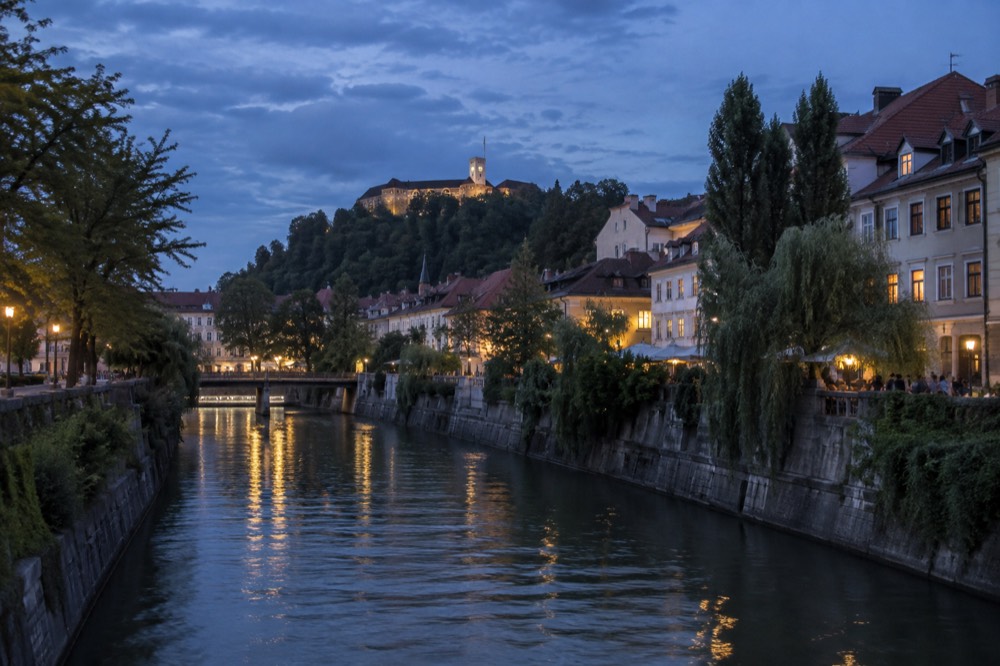
Ljubljana is a capital of roughly 293,244 people that most of the world could not place on a map twenty years ago, and that now shows up on every shortlist of underrated European cities. What it is famous for is specific rather than grand: dragon statues on a bridge, a car-free centre, an architect named Plečnik, a castle on a hill, and a location that makes it the natural base for Lake Bled and some of the largest caves in Europe.
What Is Ljubljana Famous For?
Ljubljana is famous for four things above all: the dragon statues of the Dragon Bridge, the car-free historic centre, the architecture of Jože Plečnik including the Triple Bridge, and Ljubljana Castle rising above the old town. Around those sit a lively riverfront café culture and the city's role as the gateway to Lake Bled, Postojna Cave and the Julian Alps. The tourist board markets the city on exactly this combination, and the visitor numbers back it up: the Municipality of Ljubljana recorded 1,392,728 tourist arrivals in 2025, a remarkable figure for a city of this size.
None of those headline items is a single monument you photograph in ten minutes and leave. The dragons guard the bridge where the city's symbol lives. The car-free centre is roughly twenty hectares of pedestrianised streets, progressively closed to traffic since 2007, which is why the city feels walkable in a way almost no other European capital does. Plečnik's work runs through everything, from the embankments of the Ljubljanica to the market colonnade to the church towers. The castle is less a fortress than a viewpoint and cultural venue, open 365 days a year.
The city also owes its fame to geography. It sits within easy reach of Lake Bled, which carries more search demand than the city itself, the karst caves of Postojna and Škocjan, the coast at Piran, and the Julian Alps. A visitor who has never heard of Ljubljana has almost certainly seen a photograph of Bled's island church, and the airport and coach connections that serve Bled run through the capital. You can read more about that relationship in our Ljubljana or Bled comparison.
Why Is Ljubljana Famous?
Ljubljana is famous because it is a rare thing: a capital where the historic centre is entirely pedestrianised, the architecture is the coherent work of one designer, and the price level and scale make it feel manageable rather than overwhelming. Its fame grew through word of mouth among travellers looking for a smaller alternative to Prague or Vienna, and the dragon symbol gave it a memorable hook that travels well on social media. The city's green credentials helped too, with the pedestrian zone, the river boats and the bike-share scheme all feeding the same story.
The dragon deserves the first explanation, because it is the thing people ask about. The Dragon Bridge, Čevljarski most in Slovenian, carries four copper dragons on its corners. The dragons come from the Greek legend of Jason and the Argonauts, who were said to have sailed up the Ljubljanica and encountered a dragon in the marshes. Whether you take the legend seriously or not, the dragon became the city's symbol, and it now appears on manhole covers, the castle's heraldry and about a million souvenir T-shirts. Our full Dragon Bridge guide covers the details.
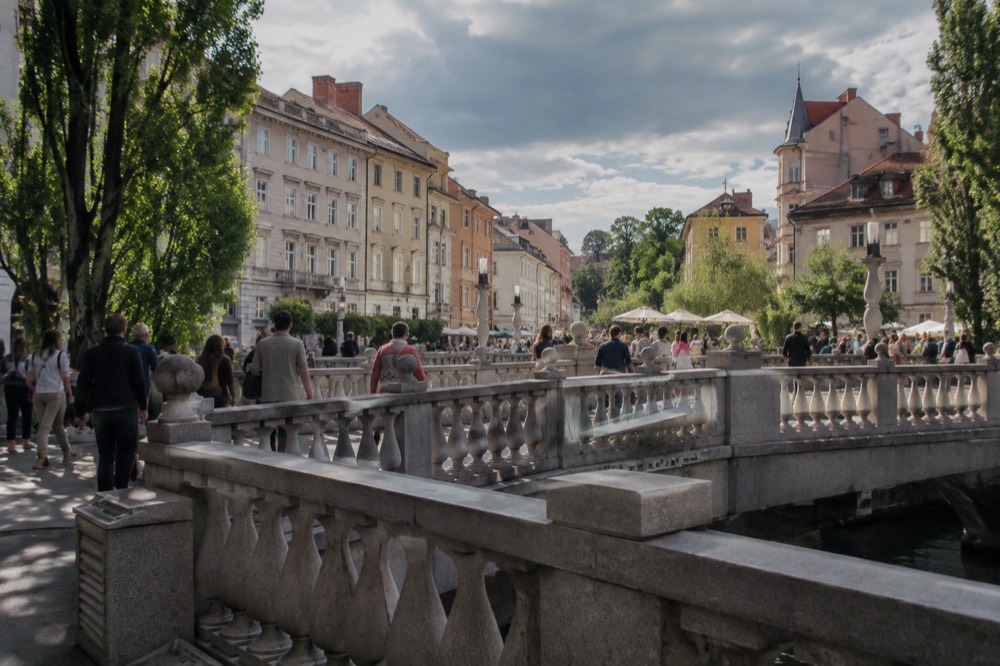
Plečnik is the second reason. Jože Plečnik, who worked in Vienna under Otto Wagner and later transformed Prague Castle, spent the interwar years reshaping his home city into what he intended as a Slovenian Athens. The Triple Bridge, Tromostovje, is his most photographed work: three bridges side by side where one stood before, fanning the pedestrian flow between Prešernov trg and the old town. He also designed the riverside market colonnade, the National and University Library, and the embankments that make the Ljubljanica the spine of the city. There is a whole Plečnik itinerary in Ljubljana for anyone who wants the full set.
The third reason is the castle, which is the single image most people have seen of the city even if they cannot name it. Ljubljana Castle sits on a wooded hill directly above the centre, reachable on foot in about ten minutes or by a funicular from the old town. The funicular costs 6.00 EUR return for an adult, and a castle ticket including the funicular, the Viewing Tower and the exhibitions is 19.00 EUR, per the castle's own price list. The castle grounds themselves are free to enter, which is a detail many visitors get wrong in both directions.
What Are the Landmarks Everyone Recognises?
The recognisable landmarks are, in order of fame: the Dragon Bridge, the Triple Bridge, Ljubljana Castle and its funicular, Prešeren Square with the pink Franciscan Church, and the cathedral on the edge of the market. A first-time visitor can walk between all five in under an hour, which is exactly why the city photographs so well, because everything famous sits inside the pedestrian zone and the distances between sights are measured in hundreds of metres, not kilometres.
| Landmark | What it is | Why it is famous |
|---|---|---|
| Dragon Bridge | Art nouveau bridge with four copper dragons | The dragon is the city's symbol |
| Triple Bridge | Plečnik's three-span pedestrian bridge at Prešernov trg | The postcard view of the old town |
| Ljubljana Castle | Hilltop fortress, museum and viewpoint above the centre | The skyline image of the city |
| Prešeren Square | Central square with the Franciscan Church and Prešeren monument | The meeting point of the whole city |
| Ljubljanica riverfront | Plečnik's embankments, cafés and market colonnade | Where the city's daily life happens |
The square is worth a sentence of its own. Prešernov trg is named after France Prešeren, Slovenia's national poet, whose statue faces the church with a muse above him, and it functions as the city's front room. New Year celebrations, protests, festivals and the Friday food market of Odprta Kuhina all happen within a few hundred metres of it. The Franciscan Church guide explains the building that gives the square its colour.
For visitors who want the landmarks explained rather than just seen, the guided options split cleanly by depth. A short orientation walk covers the bridges and the square; the castle-focused walks add the hill and the funicular; and the free GuruWalk tours, tips-based and bookable on GuruWalk, cover the same ground for visitors who prefer to pay what they think the walk was worth.
Is Ljubljana Famous for Its Food and Drink?
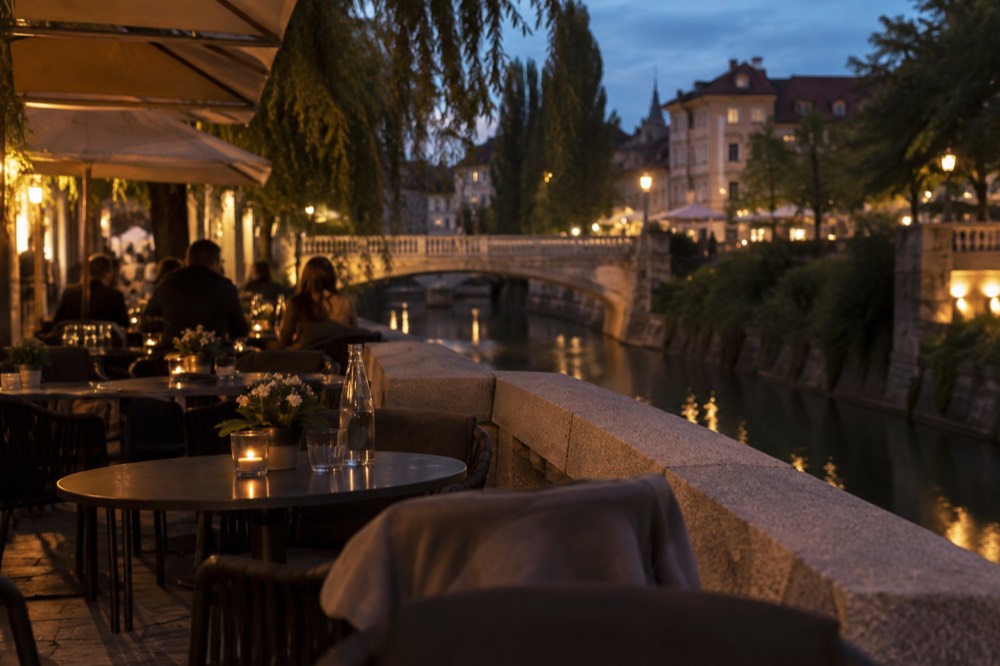
Yes, though less for fine dining than for a specific set of local things: the riverfront café culture, the Friday street-food market Odprta Kuhina, Slovenian wine from small regions most visitors have never heard of, and a craft beer scene that grew fast for a city this size. The food identity is Central European with Balkan and Italian edges, and the portions are honest rather than artistic. What made the food scene famous is where you eat: outdoors, on the riverbank, in a pedestrian zone with no traffic noise.
The Friday market is the food event with the widest reputation. Odprta Kuhina, Open Kitchen, runs on Pogačarjev trg near the cathedral, roughly March to November, and the official wording is that it happens "every sunny Friday", which is literal: the market is cancelled in bad weather. Chefs from around the country set up stalls from late morning into the evening, and it has become the single best one-stop introduction to Slovenian cooking in the capital. The details are in our Open Kitchen guide.
Wine is the quieter claim to fame. Slovenia has vineyards in three climate zones and a per-capita production that surprises most visitors, yet almost none of it is exported. The Vipava Valley, an hour's drive away, and the smaller cellars around the city itself pour for tourists who would struggle to find the same bottles at home. The wine tasting experiences on the river, including a silent electric boat ride with tastings along the Ljubljanica, are the most distinctive food-and-drink products in the city. Everything else covered here is indexed on Ljubljana Travel Guide.
Why Do Travellers Base Themselves in Ljubljana?
Travellers base themselves in Ljubljana because the country's two most famous destinations, Lake Bled and Postojna Cave, are both easy day trips, and the capital has the hotels, restaurants and transport links that the smaller places lack. Ljubljana recorded 2,844,129 overnight stays in 2025 against 1,392,728 arrivals, an average stay of about two nights, which is the signature of a city being used as a hub rather than a destination in itself, and most of those visitors are sleeping here and spending their days elsewhere.
Lake Bled is the headline. Bled Castle charges 19.00 EUR for an adult and the pletna boat to the island costs 20 EUR per person, and the lake is close enough that a guided day tour can leave the city in the morning, take in the castle viewpoint, the island and still be back by mid afternoon. Vintgar Gorge, 15.00 EUR with timed entry, is open April to October and closes for winter, which matters for anyone booking a Bled day in the colder half of the year. Our Lake Bled guide covers the full picture.
The caves are the other pillar. Postojna Cave, the most visited cave in Slovenia, holds a constant 10 C year round, runs a 3.7 km visitor route partly by underground train, and charges 34.90 EUR for an adult. Predjama Castle, built into the mouth of a cave cliff 9 km away, is 24.00 EUR. The two together are the classic Slovenian day trip, and the combined tour from Ljubljana that covers both is the single most booked excursion in the city's roster.
Beyond Bled and the caves, the same logic reaches the coast. Piran, the Venetian old town on a peninsula, and the Škocjan Caves, a UNESCO World Heritage site inscribed in 1986, are both doable in a day. Triglav National Park, 840 km² of the Julian Alps around the country's highest peak at 2,864 m, is a longer trip but still realistic from a Ljubljana base. The full list is in our day trips from Ljubljana guide.
What Is the Surprising Fact Most Guides Miss?
The surprising fact is that Ljubljana is one of the cloudiest capitals in Europe, and that the mountains above it are sunnier in winter. ARSO's climate normals for 1981 to 2010 record just 56 hours of sunshine in the whole of December in the city, against 120 hours at Kredarica on Triglav at 2,514 m, and 37 clear days a year in Ljubljana against 130 overcast. The city sits in a basin, and in the colder half of the year a temperature inversion traps cold air and fog under a lid of cloud while the hills a few hundred metres up sit in sunshine.
The practical consequence is the single best planning tip for a winter visit: when the city is grey, go up. The castle hill, Šmarna gora, or any of the Julian Alps viewpoints can be in bright sun while the streets below are in fog. ARSO's fog series, published for 1971 to 2000, records 91.2 fog days a year in the city, and the foggiest months are September and October at 12.4 days each, level with December and above January. Most guides assume fog is a midwinter problem and miss the early-autumn peak entirely.
None of this makes the city a bad visit, and the fog on the river is genuinely photogenic, the bridges dissolving into white above the water. It does mean the honest answer to "what is Ljubljana famous for" includes a climate quirk that most competing pages do not mention: a basin city that loses the sunshine contest to a mountain high above it every winter, and wins it every summer. The city's summer numbers, 293 sunshine hours in July against the mountain's 203, are the mirror image.
Common Questions About What Ljubljana Is Famous For
What Is Ljubljana Famous For?
Ljubljana is famous for the dragon statues on the Dragon Bridge, the car-free historic centre, the architecture of Jože Plečnik including the Triple Bridge, Ljubljana Castle above the old town, and its role as the base for Lake Bled and Postojna Cave. It is a small, walkable capital with a lively riverfront café culture.
Why Is Ljubljana Famous?
Ljubljana became famous through word of mouth as a smaller, greener alternative to Central Europe's big capitals. Its pedestrianised centre, one architect's coherent vision across the whole city, and the dragon symbol all fed a reputation that grew faster than its size would suggest.
Is Ljubljana Castle worth visiting?
Yes, mainly for the viewpoint and the funicular ride rather than the interior. A ticket including the funicular, the Viewing Tower and the exhibitions costs 19.00 EUR for an adult, the funicular alone is 6.00 EUR return, and the castle grounds are free to enter. It is open 365 days a year.
What food is Ljubljana known for?
Riverfront café culture, the Friday street-food market Odprta Kuhina on Pogačarjev trg, small-batch Slovenian wine, and a fast-growing craft beer scene. The food is Central European with Balkan and Italian influences rather than fine dining, and the setting, outdoors by the Ljubljanica, is half the appeal.
Can you visit Lake Bled from Ljubljana?
Yes, easily. Lake Bled is the country's most famous sight and a standard day trip from the capital, with guided tours running around six hours, plus independent coach and train options. Bled Castle is 19.00 EUR and the pletna boat to the island is 20 EUR per person.
Is Ljubljana a walkable city?
Very. The historic centre is a pedestrian zone of roughly twenty hectares, closed to general traffic progressively since 2007, and every famous landmark sits within a short walk of Prešeren Square. Cars are not needed inside the ring road at all.