Ptuj from Ljubljana: A Day Trip to Slovenia's Oldest Town
Ptuj is the far end of the day-trip map from Ljubljana, a small Roman-founded town above the Drava with a castle, a wine region at its feet and the loudest carnival in Slovenia. Here is how to plan the day.
Short answer
Ptuj sits in the Štajerska wine country in Slovenia's north-east and is the longest of the standard day trips from the capital. The town's hilltop castle, riverside old centre and thermal-springs setting make a full but rewarding day. Go with a hire car, or pair it with a wider east-Slovenia route.
Slovenia's day-trip conversation usually starts and ends with Lake Bled, and that is fair, but it leaves the east of the country almost unvisited. Ptuj, on the Drava river in the Štajerska region, is routinely described as the oldest town in Slovenia, and it wears that age lightly: a compact old centre, a castle on the hill above the water, vineyards running down the slopes behind it, and a carnival tradition that fills the streets every late winter. This guide lays out what a Ptuj day trip from Ljubljana involves, what to see once you are there, and how to judge whether the long drive east is the right use of one of your days.
The honest starting point is distance. Ptuj is the outlier on every Ljubljana day-trip list, further out than Bled, Postojna, the coast or the Soča Valley, and that changes the arithmetic. A Bled day can be improvised in the morning; a Ptuj day cannot. Treat it as a committed, full-day excursion, plan the drive before you set out, and the town repays the effort with something none of the western trips offer: a working provincial wine town that has barely adjusted itself for tourism. For the wider picture of options, our day trips from Ljubljana overview ranks every route by travel effort and payoff.
How Far Is Ptuj from Ljubljana, and How Do You Get There?
Ptuj lies in the north-eastern corner of Slovenia, well over an hour's drive from the capital and the longest journey of any standard day trip on this site's map. The practical route runs east along the motorway towards Maribor, Slovenia's second city, with Ptuj a short way further south above the Drava. There is no combined ticket, no tour bus and no shortcut: you either drive, take the train towards Maribor and connect locally, or reframe the day as part of a longer eastern loop.
Check live journey times on the day you travel, because motorway roadworks around Maribor add real minutes to the schedule.
By car, the drive is simple once you are on the motorway: Ljubljana to Maribor is the country's main east-west corridor, and Ptuj sits just off it. Slovenia is in the European Union, the eurozone and the Schengen area, so there is no border to plan for and no currency to change anywhere inside the country, and the same applies if you loop up into Austria or across into Hungary on a wider eastern day. Fuel, motorway vignettes and parking all run in euros; budget for a vignette if your route uses the motorway, because the fine for driving without one is real.
By train, the main line from Ljubljana runs east through Zidani Most towards Maribor, and Ptuj connects onto that corridor from the north. Slovenian Railways does not publish a static fare table that we could verify, so we will not quote a price or a journey time here; check the operator's own journey planner for the day you travel. Our trains from Ljubljana guide covers the rail network in general, including which lines are scenic and which are purely functional. If you are relying on public transport, build the day around a mid-morning arrival and a late-afternoon return, because the local connections east of Maribor are thinner than anything you would notice around the capital.
The third option is to fold Ptuj into a two-day eastern itinerary rather than squeezing it into one. Maribor, with its riverside old town and its own wine identity, is close enough that many travellers do both in a single loop, staying a night in the region instead of doubling the drive. If your Ljubljana time is short, that is the version we would recommend: one long day-trip drive out and back is tiring, two shorter ones with a night between them is a holiday.
What Makes Ptuj Worth the Drive from Ljubljana?
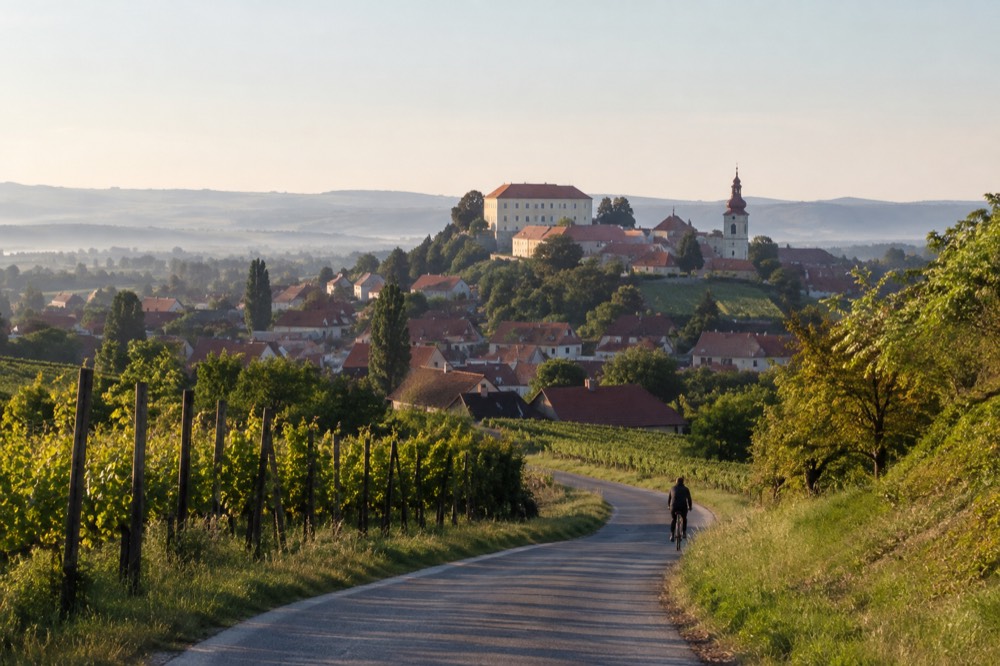
Ptuj rewards the drive with a combination none of the western day trips offers: a genuinely old town that is also a living wine centre, a castle above a broad river, and far fewer visitors per square metre than Bled or Postojna ever manage. The town's Roman past gives it a founding story older than almost anything else in the country, its old centre is small enough to walk in an afternoon, and the surrounding Haloze and Štajerska hillsides are working wine country rather than a staged visitor experience. It is the day trip for a second or third visit to Slovenia, or for a first-time traveller who has already booked Bled and wants one day somewhere quieter.
The comparison with the western trips is the honest way to frame it. Bled is a postcard with a crowd attached; Postojna is an underground spectacle with a queue; Piran is a coastal stage set. Ptuj is none of those things. It is a provincial town of under twenty thousand people that happens to have two thousand years of history, a museum castle and a wine reputation, and where the most crowded moment of the year is a carnival in late winter rather than a summer weekend. If your trip falls in July or August, that difference matters: you will share Ptuj's lanes with locals, not with tour groups.
It is also the wine answer. The slopes south and east of town are part of the Štajerska Slovenija wine district, one of the country's white-wine heartlands, and the town's cellars and tasting rooms pour the local sorts of what Slovenians call cviček country's northern cousins: crisp, acidic whites built for the region's food. A wine-focused traveller can spend the whole day moving between the castle, the old cellars and the surrounding villages. If tasting your way through Slovenia appeals more broadly, our Slovenian food in Ljubljana guide covers what to look for on plates and in glasses nationwide.
The trade-off, stated plainly: you spend more of the day travelling to Ptuj than to any other trip on this site, and the town itself is small. Travellers who need a big headline sight, a lake to swim in or a cave to descend into will prefer the west. Travellers who want texture, wine and quiet will take Ptuj. Both are correct answers to different questions.
If a full-day drive east does not fit your itinerary, the three options above cover the more conventional ground: the Postojna Cave and Predjama Castle combination for the underground headline, the Lake Bled and Bled Castle trip for the postcard, and the free GuruWalk tips-based walk of Ljubljana's Old Town for the day you keep your feet in the capital itself. Each of them runs as an organised outing from the city, which is the part of the Ptuj day no operator currently offers you.
What to See in Ptuj in One Day
A one-day Ptuj itinerary hangs on three anchors: the castle and its museum on the hill, the compact old town at its foot, and the Drava riverfront that ties them together, with wine tasting as the natural fourth act. Walk up to the castle first while your legs are fresh, come down through the old lanes around the main square, take a riverside loop after lunch, and finish with a tasting before the drive west. That sequence fills six hours comfortably without ever feeling rushed.
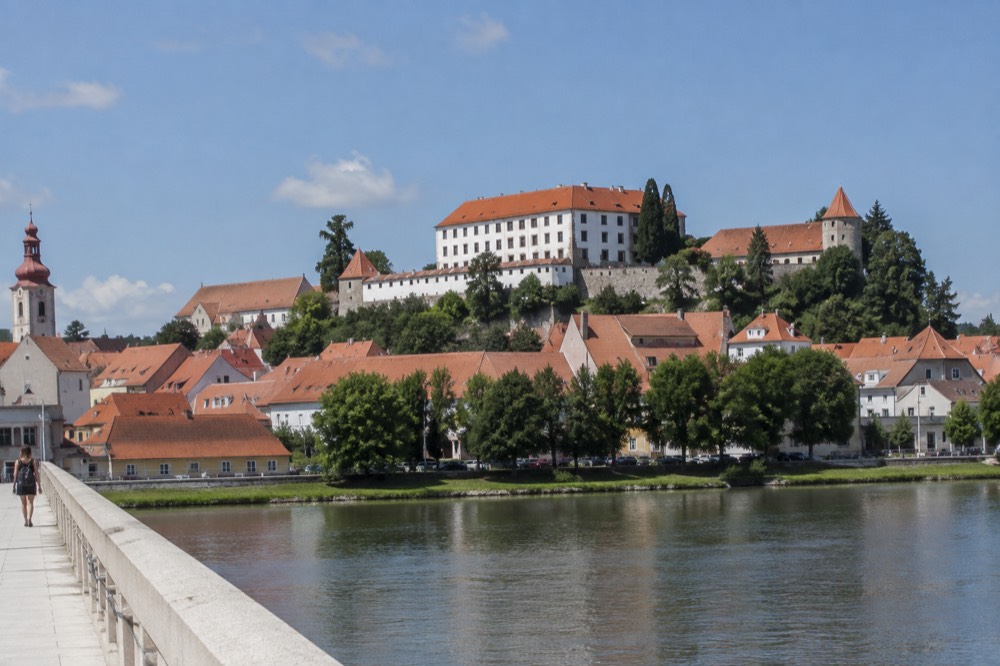
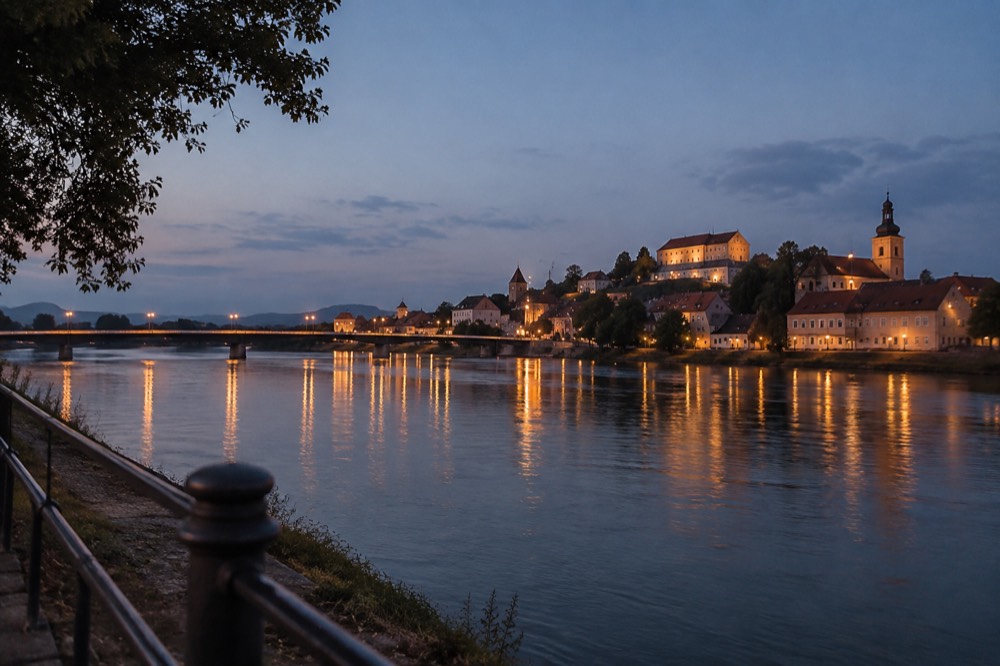
Ptuj Castle is the town's viewpoint and its museum in one. The building you see today is a Renaissance-era residence rather than a ruin, and its collections cover the town's history, regional costume and the musical instruments of the surrounding countryside. The terrace is the reason most people climb: the Drava bends wide below the town, and the view takes in the river, the rooftops and the wine hills in a single frame. Give the castle and its exhibitions a solid ninety minutes, more if the weather is clear.
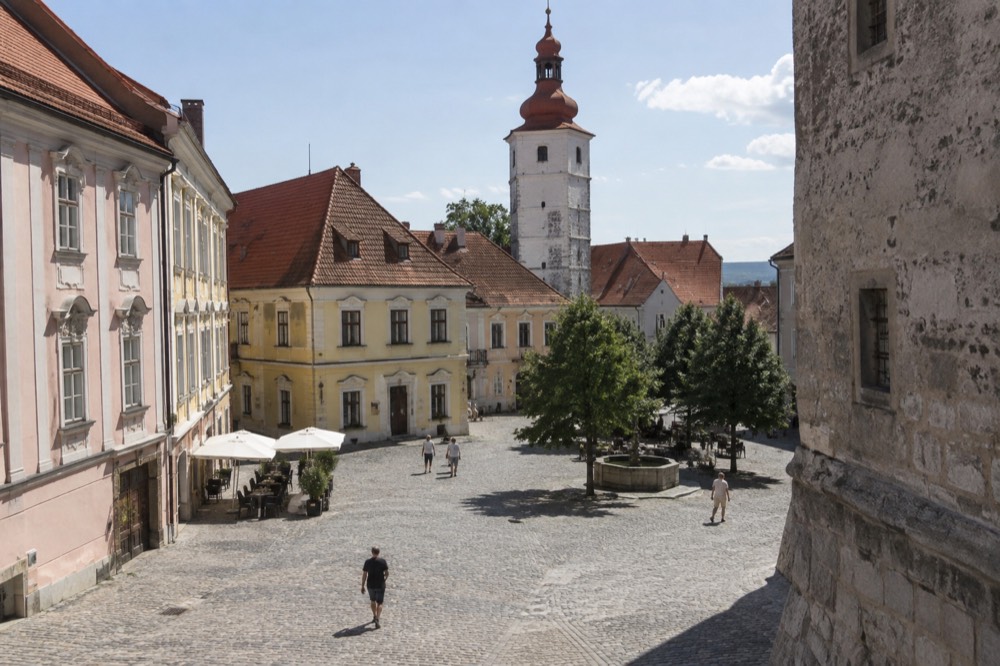
The old town below is small, deliberately so. The main square and the streets running off it hold the town church, rows of painted facades and the sort of shops and cafés a real provincial town sustains, and the whole ensemble is walkable in under an hour at sightseeing pace. Roman Ptuj left its traces around the centre; the town's tourism materials point to the surviving remnants, and the local museum covers the rest. Do not come expecting a Roman forum on the scale of somewhere like Pula: the antiquity here is an undertone, not a stage set.
The river is the third act. The Drava is broad and slow at Ptuj, dammed upstream into a lake that gives the town its waterfront promenades and its thermal-spa setting, and the walk along the water is where the town goes in the evening. In summer the riverside lawns fill with locals rather than visitors, which is exactly the point of coming this far east. If you are travelling with children, the water park and thermal complex on the edge of town is the reliable fallback for a hot afternoon; our Ljubljana with kids guide applies the same logic to the capital.
One honest planning note before the itinerary detail: Ptuj has no tour from Ljubljana in the current roster, so this is a self-guided day. If you prefer your day trips guided, the cave-and-castle trip above is the closest thing in spirit, a fully organised six-hour run at two headline sights, and it can be cancelled free if your plans shift.
Ptuj Castle, the Old Town and the Drava in Detail
Ptuj Castle holds the town's museum and its best view, the old town holds the atmosphere, and the Drava holds the spa-and-lake setting that makes Ptuj a resort as well as a heritage site. Understanding the three-part geography is what turns a vague wander into a planned day: castle on the hill, lanes on the slope below, water at the bottom.
Everything a visitor needs sits inside that triangle, and none of the three parts takes more than two hours to do properly, which is why a single well-shaped day covers the town completely.
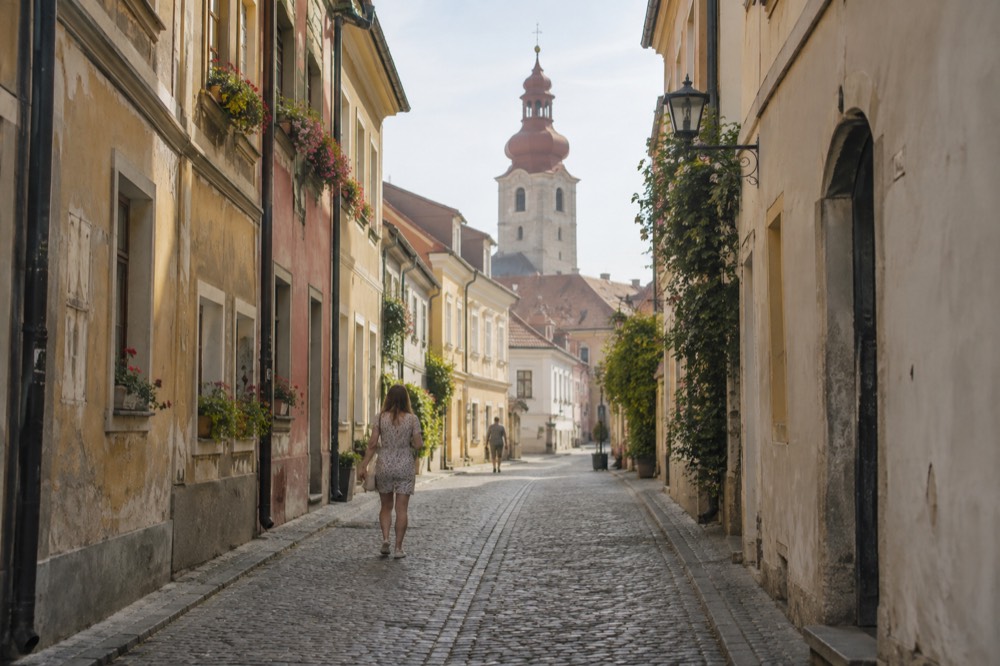
The castle's museum collections reward the climb as much as the view does. Alongside the town-history displays, the castle is known for its collection of traditional carnival masks, the same kurent figures that fill the streets each late winter, and for instruments and costume from the wider region. It is a museum about the countryside as much as the town, which suits Ptuj: the place has always lived off the land around it. Photography inside is restricted in some rooms, and opening hours shift seasonally, so check the castle's own site before you commit the climb to a Monday, when many Slovenian museums close.
The old town's rhythm is simple and generous. The main square is the natural start, the surrounding lanes hold most of what is worth photographing, and the town church anchors one end. Look up while you walk: the painted facades and sgraffito decoration are the visual signature of this part of Slovenia, and Ptuj has a denser crop of them than towns twice its size. Allow time to do nothing, because the point of Ptuj is that nothing is urgent; a coffee in the square is a legitimate itinerary item in a way it never is in Bled.
The riverfront completes the picture. The Drava was dammed into the lake above the town, and the resulting water gave Ptuj its thermal baths, its marina and its flat walking and cycling paths. The promenade on the town side is the easy loop; the paths heading east along the lake are where the scenery opens out. In warm months the lake is the local answer to a hot afternoon, and the thermal complex means the town works as a base as well as a day trip. If a spa afternoon sounds like your kind of finish, plan the drive back for after dark and take it slowly.
| Part of town | What it is | Time to allow | Best time of day |
|---|---|---|---|
| Ptuj Castle | Renaissance residence, museum collections, terrace view | 1.5-2 hours | Morning, before the heat |
| Old town square and lanes | Painted facades, church, cafés and shops | 1-1.5 hours | Late morning |
| Drava riverfront and lake | Promenade walks, cycling paths, thermal complex | 1-2 hours | Afternoon |
| Wine cellars and tasting rooms | Local Štajerska whites and sparkling wine | 1-1.5 hours | Late afternoon |
Wine, Food and the Ptuj Region's Table
The country around Ptuj is white-wine country, part of the Štajerska Slovenija district, and the town's cellars pour the local output with a straightforwardness the tourist west has lost. The hills south of the Drava, particularly the Haloze slopes, are among Slovenia's most respected white-wine terrain, and tasting in Ptuj means drinking in a working wine town rather than a curated visitor experience.
Pair the wine with the region's plain, hearty cooking and the day starts to justify its long drive on flavour alone, which is an argument no other stop on the day-trip roster can make.
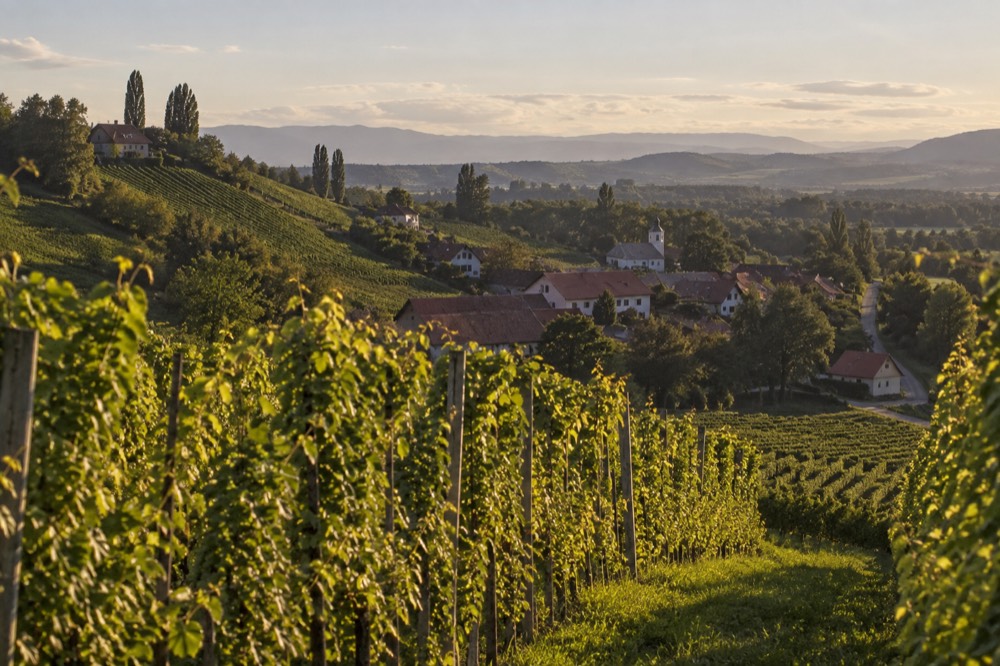
The regional style is crisp and aromatic: the varieties that made this district's name are the fresh, acid-driven whites that suit the continental climate, and the local cellars pour them by the glass without ceremony. Several tasting rooms sit within walking range of the old centre, and the surrounding villages hold the smaller producers, reachable by car in twenty minutes or so. If you want the wine without the drive, the same district's output appears on lists in the capital, and a guided tasting there does the translating for you; the Slovenian cuisine walking tour with tastings builds a whole evening around exactly that idea.
The food is the honest, filling cooking of a wine region: cured meats, dumplings, river fish when available, and the roast and stew tradition that eastern Slovenia shares with its neighbours across the Hungarian and Croatian borders. Portions are generous and prices are noticeably gentler than the capital's, which is one of the quiet perks of leaving Ljubljana for the day; our Ljubljana prices guide gives the capital's side of that comparison. Eat where the square's tables fill with locals at midday and you will not go far wrong.
One seasonal note worth planning around: the harvest. Early autumn is when the wine hills around Ptuj are at their most photogenic and the cellars are at their busiest, and it is also, as we will see below, when the weather in this part of the country turns wettest. If a harvest-season visit appeals, aim for the earlier edge of it and keep a rain option in your back pocket, which in this region means a long lunch and a longer tasting.
Kurentovanje, Carnival and the Best Time of Year for Ptuj
Ptuj's single biggest moment is Kurentovanje, the pre-Lenten carnival that fills the town with masked kurent figures and draws visitors from across the country, running in the late-winter weeks before Ash Wednesday. Outside carnival season the town is quiet year-round, with late spring and early autumn the comfortable middle ground, and summer the warmest but busiest spa months.
The one period to think twice about is the depths of the fog season, and for reasons specific to this part of Slovenia that the calendar table below makes plain.
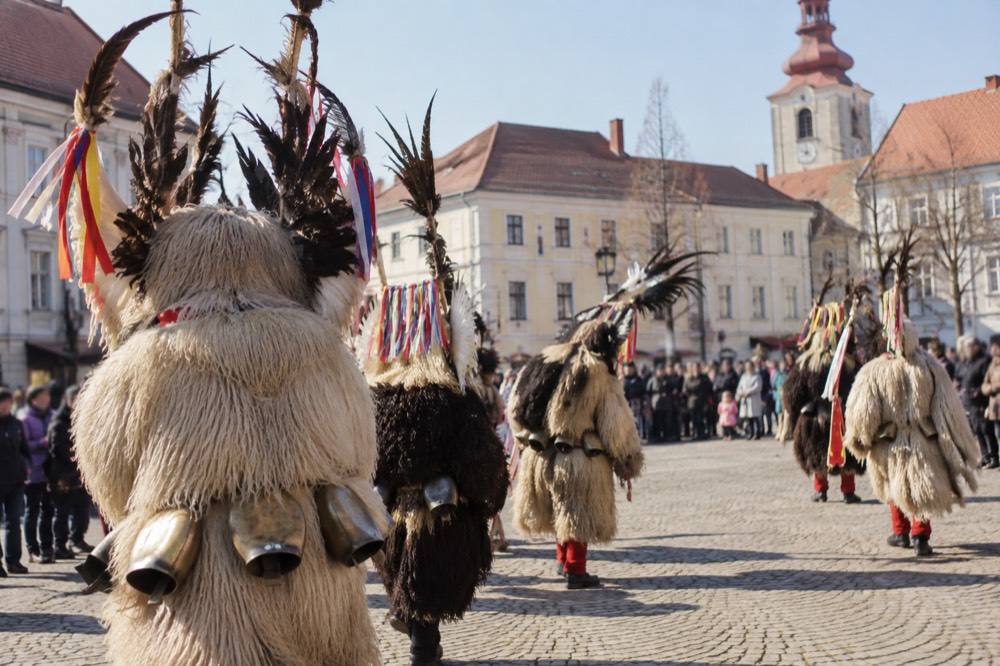
Kurentovanje is the reason many people first hear of Ptuj. The kurent is a shaggy, bell-hung mask figure from local folklore, traditionally said to chase away winter, and the carnival built around the tradition brings parade groups from across Slovenia and beyond into the town's streets. The event moves with the church calendar rather than a fixed date, so it falls somewhere in the late-window between late January and early March depending on the year; check the carnival's official programme for the exact dates before you build a trip around it, and book accommodation early, because the town fills. A carnival Ptuj is a completely different town from the one you meet in June, louder, fuller and colder.
For a non-carnival visit, the shoulder seasons are the sweet spot. Late spring gives green wine hills and long evenings; early autumn gives the harvest colours and the cellar activity; both come with the caveat that this is a continental climate, hot in July and cold in January, with none of the coast's moderation. Summer days push well past comfortable for the castle climb, so start early. Winter, outside carnival, is quiet and grey, and the thermal complex is the main draw.
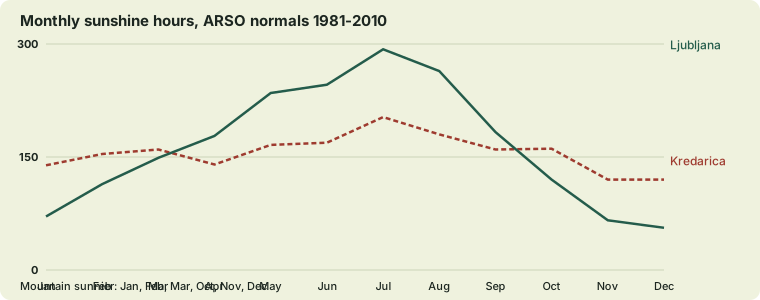
That last point deserves its own paragraph, because it is the most useful thing this site can tell a shoulder-season traveller. Ljubljana sits in a basin that fogs in; ARSO's published normals record 56 hours of sunshine in the whole of December in the city, against 120 hours over the same month at Kredarica high in the Julian Alps (ARSO's 1981-2010 table for Ljubljana), and the fog-day series comes from the earlier 1971-2000 normals, the only period ARSO publishes fog for. Ptuj is not in that basin. A day that starts grey in the capital can be bright on the Drava, and that makes the east a genuine bad-weather strategy rather than just a fair-weather one. Our best time to visit Ljubljana guide works through the same data month by month.
| Season in Ptuj | Weather character | What the town offers | Watch out for |
|---|---|---|---|
| Late winter | Cold, often below freezing | Kurentovanje carnival, thermal baths | Dates move with the church calendar; book early |
| Spring | Warming, green hills, rain easing | Wine-country walks, quiet old town | Museum Mondays |
| Summer | Hot, continental, long days | Lake and riverfront, thermal complex, festivals | Castle climb in midday heat |
| Early autumn | Harvest colours, cellar activity | Wine tasting at its best | The wettest, foggiest months back in the basin |
| Winter | Grey, quiet, short days | Thermal spa season, empty lanes | Limited daylight for the drive home |
How Ptuj Compares with the Other Big Day Trips from Ljubljana
Ptuj is the longest drive and the quietest destination on the standard day-trip list; Bled is the shortest and the most crowded; Postojna is the underground headline; the coast is the far-south-west option with swimming. Choosing between them is mostly a question of what kind of day you want: spectacle and photos point west, wine and quiet point east, and a first-time visitor with only two or three days should almost certainly take the western trips first.
Ptuj is the connoisseur's day out, and it earns that label honestly rather than by default.
| Day trip | Direction from Ljubljana | Character | Best for | Crowd level |
|---|---|---|---|---|
| Ptuj | North-east, longest drive | Old town, castle, wine, thermal baths | Second visits, wine lovers, quiet seekers | Low |
| Lake Bled | North-west, short drive | Lake, island church, castle viewpoint | First visits, photographers, families | High |
| Postojna and Predjama | South-west, short drive | Show cave and cliff castle | Families, anyone, wet weather | High |
| Piran and the coast | South-west, long drive | Venetian old town, the sea | Sea lovers, long lunches | Moderate |
| Soča Valley | West, long drive | Alpine river, gorges, drama | Hikers, scenery-first travellers | Moderate |
The Bled comparison is the one most travellers actually face, because both are full-day commitments and most itineraries only have room for one eastern or one northern excursion. Bled gives you the image of Slovenia you already have in your head; Ptuj gives you the version the brochures skip. If you are visiting in the height of summer and crowds ruin you, that tips the decision east on its own. Our Ljubljana or Bled comparison and the Lake Bled guide cover the northern option in full, and the Bled and castle day trip from Ljubljana is the organised way to do it if you would rather not drive at all.
Postojna is the other natural rival, and it inverts Ptuj's appeal completely: it is a single overwhelming underground spectacle, visited by a train-borne crowd, done in a few hours. The two trips suit opposite moods. If your day in Ptuj gets rained off, the cave is the classic answer, because caves hold roughly the same temperature year round and are the one day trip that weather cannot spoil; the Postojna Cave guide explains the practical side, including the 10 C interior temperature that catches summer visitors in shorts.
Planning the Drive: Timings, Money and Practicalities
Plan the Ptuj day as a dawn-to-dusk commitment: an early start west-to-east, three to four hours of town and castle in the middle, a tasting or a spa to finish, and the drive back in the dark. Slovenia's practicalities are on your side, the euro everywhere, no internal borders anywhere in the region, and a motorway network that makes the east genuinely reachable, but the sheer length of the round trip is the one thing no planning trick removes.
Build the day around it rather than pretending it away, and the hours fall into place.
Money first, because a day trip east is cheaper on the ground than the western headline trips. Slovenia uses the euro, adopted on 1 January 2007, and as a member of the European Union and the Schengen area since the end of 2007 it has no internal border checks with any of its neighbours; the government's own summary states that land and sea checks were abolished on 21 December 2007 and air checks on 30 March 2008. Practically, that means one currency, one vignette system and no passport stops anywhere on an eastern loop. Expect restaurant and cellar prices below the capital's, and expect cash to matter less than it used to, though a few cellar doors in the villages still prefer it.
Timing works like this: leave Ljubljana early enough to arrive before mid-morning, do the castle first while the light is on the river, eat in the square at midday, walk the riverfront through the warm hours, and finish with tasting or the thermal baths before driving back. Check the castle's opening days before you go, because Monday closures are the norm for museums across Slovenia, and a Monday Ptuj is a half-empty one. In winter, shorten everything: the daylight is short, the fog risk in the basin is real, and the thermal complex is the natural anchor of the day.
Finally, the honest self-assessment for the undecided. Take Ptuj if you have more than three days in the country, if wine or quiet is a genuine draw, or if the weather in the capital is grey and you want out of the basin. Take a western trip instead if this is your only excursion, if you want the images, or if your party includes children young enough that a lake beats a museum. And if you would rather someone else handle the day entirely, the cave and castle tickets and tour from Ljubljana is the roster's most dependable organised excursion, six hours door to door with the logistics removed. Ljubljana Travel Guide keeps the full day-trip roster, and the comparison tables above are the shortcut to it.
That same cave-and-castle outing is the one we point most Ptuj-curious travellers towards when the drive east proves too much for a short itinerary. It delivers two of the country's headline sights in a single organised day, with transport and entry handled, and it leaves your evening free to plan the rest of the week.
Whichever way the day-trip decision lands, those three cover the ground most visitors want: the caves and cliff castle, the lake and its island, and the free GuruWalk walk through Ljubljana's own Old Town for the day you stay put.
Common Questions About a Ptuj Day Trip from Ljubljana
Is Ptuj worth a day trip from Ljubljana?
Yes, for the right traveller. Ptuj offers a genuinely old town, a museum castle with a broad river view, working wine country and far fewer visitors than Bled or Postojna, but it is the longest drive on the standard day-trip list. It suits a second or third visit to Slovenia, wine lovers, and anyone wanting a quiet, atmospheric day more than a headline sight.
How do you get from Ljubljana to Ptuj without a car?
By train towards Maribor with a local connection onwards, or [by bus](https://busbud.tpk.ro/4kLAIElq). The main east-west rail corridor runs through the region, but local connections east of Maribor are thinner than around the capital, so check the operator's journey planner for the specific day. We do not quote fares or journey times here because no verifiable published table exists for the route.
What is Kurentovanje and when does it happen?
Kurentovanje is Ptuj's pre-Lenten carnival, built around the kurent, a shaggy masked figure from local folklore said to chase away winter. It is the largest carnival event in Slovenia and fills the town with parade groups and visitors. The dates move with the church calendar, falling in the late-winter weeks before Ash Wednesday, so check the official programme for the year you travel and book accommodation well ahead.
How many hours do you need in Ptuj itself?
Six hours on the ground is a comfortable full day: about two hours for the castle and museum, ninety minutes for the old town and square, an hour or two along the Drava riverfront, and a final hour or two in a cellar or the thermal complex. Anything less than four hours and the long drive stops making sense.
Is Ptuj or Lake Bled the better day trip?
For a first visit to Slovenia, Bled: it is shorter to reach, more spectacular and the image most people come home wanting. For a return visit, or for travellers who prefer wine, quiet and old streets to lakes and crowds, Ptuj wins. The two suit opposite moods, and the honest tiebreaker is crowd tolerance in high summer, when Bled is packed and Ptuj is not.
What is the best time of year to visit Ptuj?
Late spring and early autumn for a quiet, comfortable visit, with early autumn adding the wine harvest to the hills around town. Late winter if you are coming for the Kurentovanje carnival, with warm layers and early booking. Summer is hot but works well if you build the thermal complex or the lake into the afternoon.