National Gallery of Slovenia: Tickets, Hours and What to See
The National Gallery of Slovenia holds the country's main collection of fine art, from medieval panels to Slovenian impressionism, a ten-minute walk from Prešeren Square. It is closed on Mondays, open late on Thursdays and free on the first Sunday of every month.
Short answer
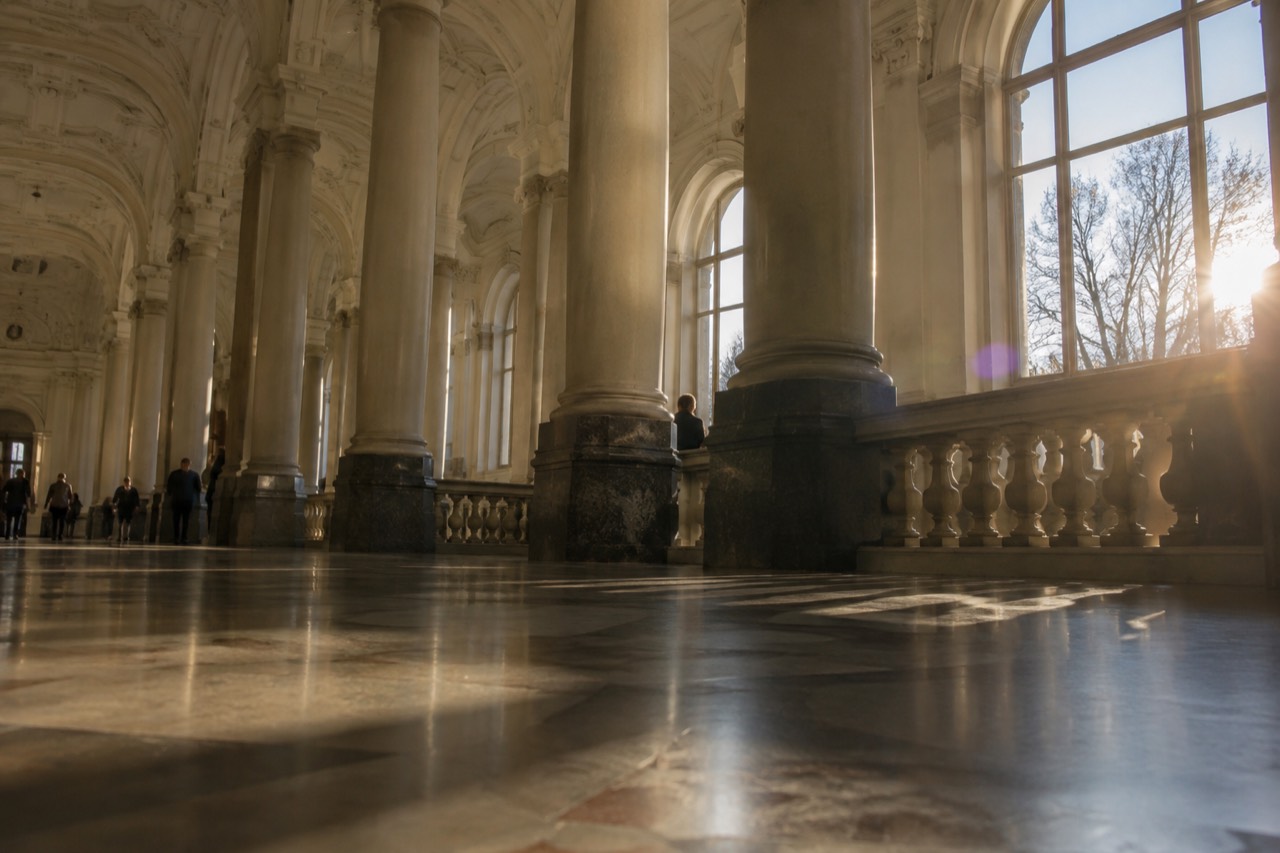
The National Gallery of Slovenia charges 10 EUR for the permanent collection, 6 EUR for temporary exhibitions and 14 EUR for a combined ticket. It is open Tuesday to Sunday from 10:00 to 18:00, until 20:00 on Thursdays, and closed on Mondays. Admission is free on the first Sunday of every month.
The National Gallery of Slovenia is the country's principal art museum, and for most visitors it is the single best indoor hour and a half in the capital. It sits just outside the pedestrianised historic centre, close enough that you can walk from Prešeren Square in about ten minutes, and its collection runs from Gothic winged altarpieces to the Slovenian impressionists whose landscapes are, for many people, the reason they came to Slovenia at all. This page, part of our wider Ljubljana Travel Guide coverage of the city's attractions, covers the practical side in full: prices, hours, the free-admission rule, what to look for inside, and how the gallery fits into a wider day in Ljubljana.
What Is the National Gallery of Slovenia?
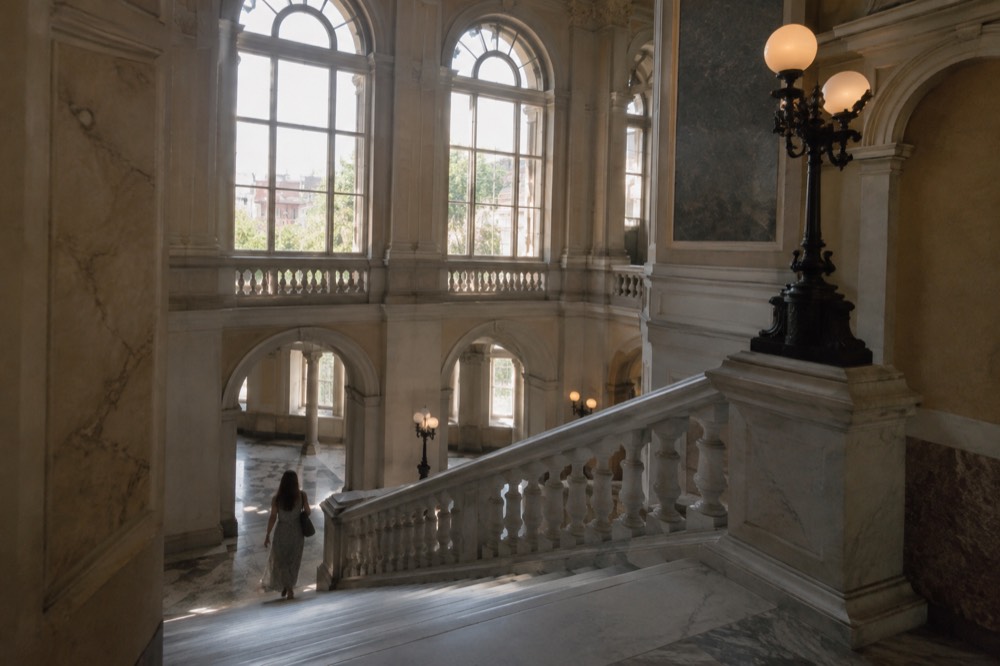
The National Gallery of Slovenia is the national fine-art museum in Ljubljana, holding the country's central collection of Slovenian and European painting and sculpture from the late medieval period to the twentieth century. It is the place to see Slovenian impressionism, the movement that made the country's landscape painters famous, and it stands about ten minutes on foot from Prešeren Square. The gallery's role is straightforward and national in scope: it collects, preserves and displays the works that define Slovenian art history. Where the city's other museums tell you about Ljubljana, this one tells you about Slovenia, which is a different and arguably richer story. The collection is strong in exactly the period most visitors know nothing about and leave delighted by, the decades around the turn of the twentieth century when Slovenian painters took the impressionist revolution and pointed it at the Julian Alps, the Karst and the Ljubljanica.
That matters because the gallery rewards a particular kind of visitor: someone who has spent two days looking at the actual landscapes and now wants to see how painters saw them. The Alps above Bled, the Soča valley, the karst fields around Škocjan, all of them appear on these walls. It is the same country you have been walking through, rendered in oil.
For the practicalities, the gallery's own visitor page publishes the hours and prices used throughout this guide, and it is the page to check before you travel: the gallery's official opening hours and entrance fee page.
What Are the Opening Hours and Ticket Prices?
The National Gallery is open Tuesday to Sunday from 10:00 to 18:00, with late opening until 20:00 on Thursdays, and it is closed on Mondays. An adult ticket to the permanent collection costs 10 EUR, a temporary exhibition costs 6 EUR, and a combined ticket covering both costs 14 EUR. Admission is free for everyone on the first Sunday of every month. Those are the headline numbers, and they behave like museum numbers everywhere: the combined ticket is only worth it if you genuinely plan to see both halves of the museum in one visit, and the free first Sunday is worth building a whole weekend around if your dates are flexible.
| Ticket | Adult price |
|---|---|
| Permanent collection | 10 EUR |
| Temporary exhibitions | 6 EUR |
| Combined ticket, permanent plus temporary | 14 EUR |
| First Sunday of the month | Free admission |
| Day | Hours |
|---|---|
| Monday | Closed |
| Tuesday, Wednesday, Friday | 10:00–18:00 |
| Thursday | 10:00–20:00 |
| Saturday, Sunday | 10:00–18:00 |
Two planning notes fall out of that table. First, the Thursday evening opening is the quiet way to see the gallery: most coach groups and most walking tours hit the museums in the late morning, so an 18:00 arrival on a Thursday often means near-empty rooms. Second, the Monday closure is shared by nearly every major museum in the city, including the Museum of Modern Art, MSUM, the City Museum, the Slovenian Ethnographic Museum and the Plečnik House. A Monday in Ljubljana is a day for Ljubljana Castle, the river, Tivoli Park or a day trip, not for museums, and it is worth sequencing your itinerary around that fact rather than discovering it at a locked door.
If your Ljubljana plans extend beyond the gallery, the obvious complements are a cave day trip inland or a lake afternoon, and the three options below cover both, plus a free city walk for the hours in between.
What Should You See Inside the Collection?
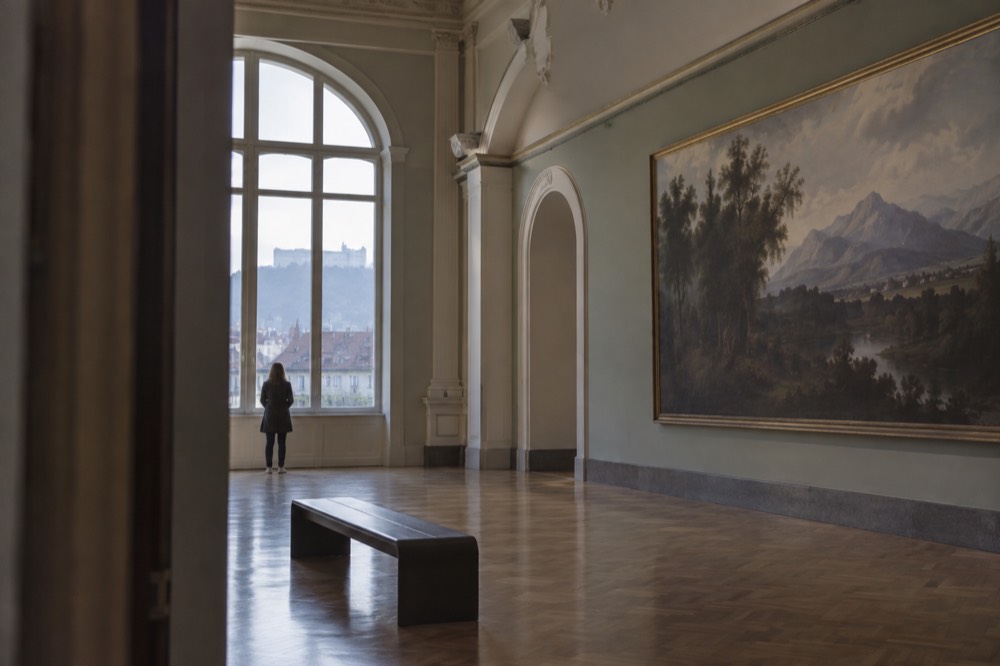
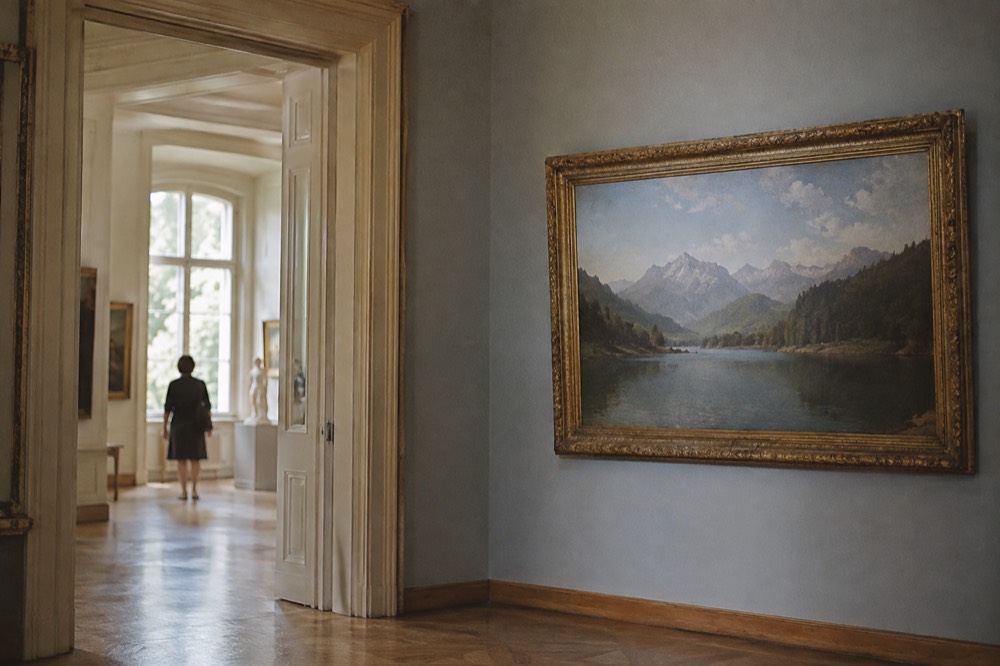
Plan around three things: the medieval and baroque rooms on the older floors, the Slovenian impressionist gallery, which is the collection's crown, and whatever temporary exhibition is running during your visit. The impressionists are the headliners, and if you only have an hour, spend it there: the gallery holds the largest body of Slovenian impressionist painting anywhere, and the landscapes of the Julian Alps and the Karst in these rooms are the visual identity of the country. The older material is the context. Slovenian art before the nineteenth century was mostly sacred art, produced for churches across what was then a province of the Habsburg empire, and the gallery's early rooms gather altarpieces and religious painting that survive nowhere else in one place. Walking those rooms first gives you the before, so the impressionist rooms land as the revolution they were.
The impressionist generation is where the collection becomes something you will recognise from your own photographs. These painters worked in the decades around the turn of the twentieth century and took their easels outdoors, into the mountains, along the Ljubljanica, into the karst, and the gallery's hang lets you move from dark church interiors to sunlit alpine ridgelines in the space of a few rooms. Visitors who have already been to Lake Bled or the Soča valley tend to find this the most satisfying part of the museum, because the paintings show the same landscapes they have just stood in front of.
Sculpture holds its own as well, and the building dedicates real space to it. If you are short on time, ask at the desk which rooms hold the temporary exhibition, decide whether it interests you, and buy the single or combined ticket accordingly. The 4 EUR difference between the combined ticket and the permanent-only ticket is only money saved if you would otherwise have paid the full 6 EUR separately.
How Long Does a Visit Take, and How Should You Plan It?
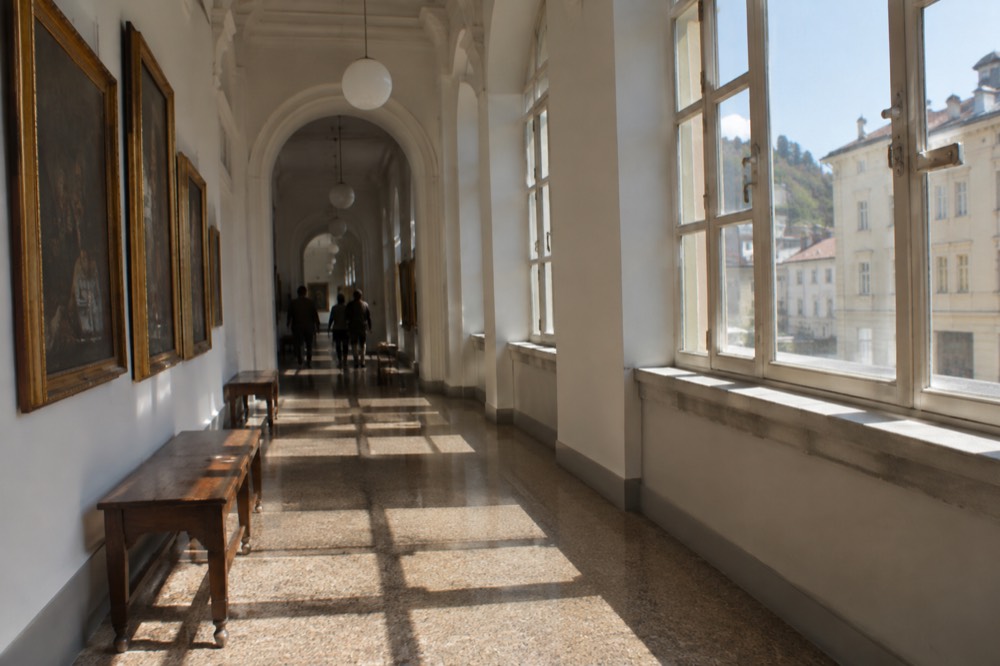
Most visitors spend between 90 minutes and two hours in the National Gallery: about an hour for the permanent collection if you move at a normal museum pace, plus 30 to 45 minutes for a temporary exhibition. Add 15 minutes each way for the walk from the centre, and the gallery is comfortably a half-day activity including the stroll. With the late Thursday opening you can also fold it into an evening without spending a whole afternoon indoors. The honest minimum is one hour, and it is a good hour: the permanent collection is compact enough that a focused circuit of the highlights, above all the impressionist rooms, fits inside 60 minutes without feeling like a sprint. Anything less and you are paying 10 EUR to walk through a building.
The sequencing advice is simple. Do the gallery in the morning or on a Thursday evening, then give the rest of the day to the outdoor city. The gallery sits close to the edge of the historic centre, so a natural route is gallery first, then walk downhill into the Old Town, cross the Triple Bridge, and let the afternoon dissolve into the riverbank and the central market. On a rainy day, reverse the logic and stay indoors: the gallery, the City Museum and the Museum of Modern Art are all within a short walk or a cheap bus ride of one another, and our rainy-day itinerary for Ljubljana strings them together.
One thing worth knowing before you go: this is a museum where the first-Sunday rule genuinely changes the calendar. Free admission applies on the first Sunday of every month, and it is confirmed in the gallery's own visitor information. On those Sundays the gallery is busier, but the price is zero and the crowd is a price worth paying.
Is the National Gallery Worth the Ticket Price?
Yes, for almost every visitor: 10 EUR buys the best single collection of Slovenian art in the country, and the combined ticket at 14 EUR is fair if you will see the temporary exhibition too. The value case is strongest for anyone who has already visited the landscapes the impressionists painted, and weakest for a visitor with only one day in the city, who should probably prioritise the castle, the river and the Old Town streets over any museum. Context makes the comparison. The City Museum charges 10 EUR, the Museum of Modern Art 7 EUR, the Slovenian Ethnographic Museum 8 EUR, and the Natural History Museum 6.50 EUR. At 10 EUR the National Gallery is priced at the top of the city's museum range, and it earns it: the collection is national in a way the others are not.
| Museum | Adult price | Closed |
|---|---|---|
| National Gallery of Slovenia | 10 EUR permanent, 14 EUR combined | Monday |
| Museum of Modern Art (Moderna galerija) | 7 EUR | Monday |
| MSUM Metelkova | 7 EUR, 10.50 EUR combined with Moderna galerija | Monday |
| City Museum of Ljubljana | 10 EUR | Monday |
| Slovenian Ethnographic Museum | 8 EUR | Monday |
| Natural History Museum | 6.50 EUR | Open daily |
| Plečnik House | 12 EUR including guided tour | Monday |
Notice the Plečnik House line, because it hides a booking constraint: the Plečnik House is guided-entry only, with tours on the hour, and the 12 EUR price includes the guide. You cannot wander it freely the way you can the gallery, so if Jože Plečnik is the reason you are in Ljubljana, read our guide to the Plečnik House before you go and time your arrival to an hourly slot. The gallery, by contrast, needs no booking at all for a standard visit, which is exactly why it works as the flexible filler in a Ljubljana itinerary: it is open six days a week, it needs no reservation, and it absorbs whatever empty morning you have.
For visitors stringing several museums together, the arithmetic in the next section matters more than any single price.
Can You See the National Gallery for Free, or Save Money with a Pass?
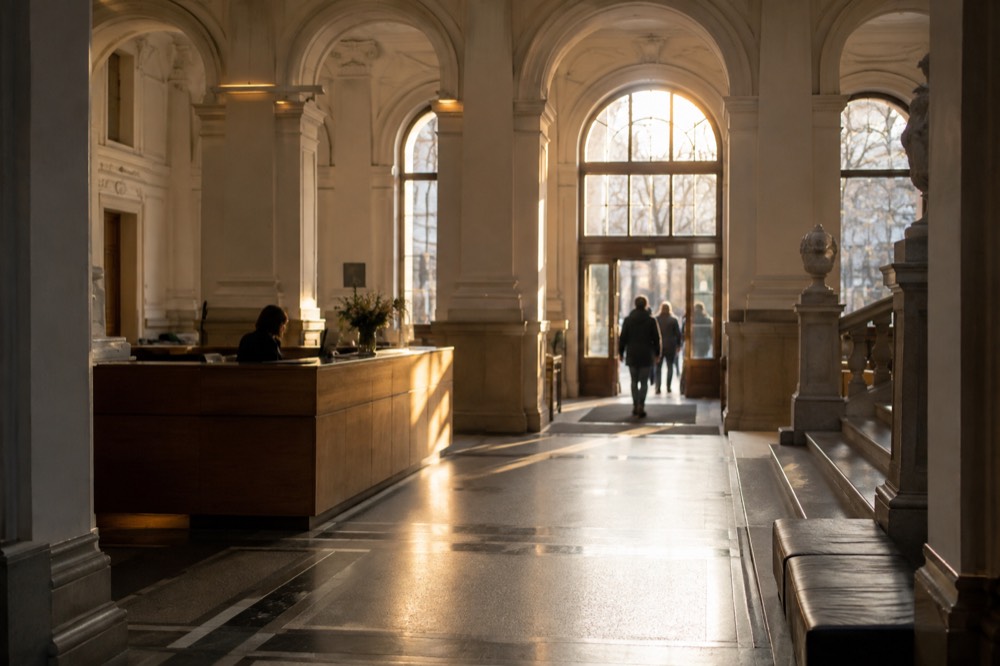
Yes, two ways. Admission is free for everyone on the first Sunday of every month, and the Ljubljana Card includes the gallery among its 30-plus museums and galleries, one entry each, alongside the castle funicular, the river cruise, city buses and a guided walking tour. The card costs 41 EUR for 24 hours, 49 EUR for 48 hours and 54 EUR for 72 hours, so it only pays off if you are genuinely stacking the covered sights. The first Sunday is the simpler play: it costs nothing and requires no planning beyond choosing the right weekend. The card is the arithmetic play, and it deserves real arithmetic rather than a slogan.
| Ljubljana Card tier | Adult | Child 6–14 |
|---|---|---|
| 24 hours | 41.00 EUR | 26.00 EUR |
| 48 hours | 49.00 EUR | 31.00 EUR |
| 72 hours | 54.00 EUR | 35.00 EUR |
Here is the honest maths. A castle ticket including the funicular is 19.00 EUR, and a Ljubljanica river cruise runs about 15 EUR, so those two covered items alone come to roughly 34 EUR before a single museum entry. Add the National Gallery at 10 EUR and the 24-hour card has already been earned back with 3 EUR of headroom, plus the buses, the bike share and the walking tour on top. The official card page lists the full coverage, and it is the source to check for current inclusions: the official Ljubljana Card page. We break the maths down in more detail in our guide to the Ljubljana Card. The card's mechanics are strict in one respect: each covered attraction allows one entry, and the card deactivates itself the moment its 24, 48 or 72 hours run out, so start the clock in the morning, not at dinner.
The free-first-Sunday rule deserves a second mention because it stacks with nothing and needs nothing: you simply show up. Combine it with a weekend arrival and you have turned the city's best museum into a zero-cost morning, with the whole afternoon left for the castle hill.
When Is the Best Time of Year to Visit the Gallery?
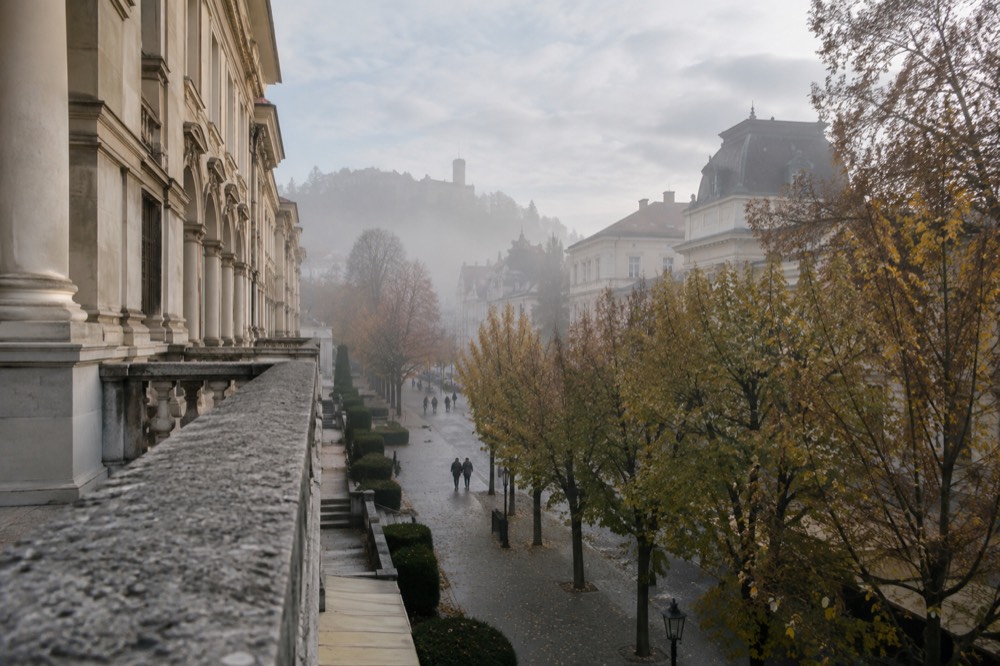
Any month works, because the gallery is indoors and open year-round, but the case for it is strongest from October to March, when Ljubljana's weather turns against you. ARSO's climate normals record just 56 hours of sunshine in the city across the whole of December, and September and October average 12.4 fog days each, so in the colder half of the year the gallery is not a nice-to-have but the reliable half of your day. This is the fact most visitors arrive without. Ljubljana sits on the floor of a basin, and in the colder months a temperature inversion caps the city under fog and low cloud while the hills a few hundred metres above sit in sunshine. The city averages 37 clear days a year against 130 overcast ones, and October and November each average a single clear day. A museum-heavy itinerary is not defeatism here, it is the correct response to the climate, and the gallery is the best museum in the city.
The fog figures come from ARSO's 1971-2000 normals, the only period for which the agency publishes the fog series, and they surprise people: September and October, the months everyone calls the pleasant shoulder season, tie at 12.4 fog days each, level with December and above January's 11.3. The same early-autumn days are also the joint wettest of the year at 147 mm each in the 1981-2010 series, wetter than July. An autumn visitor planning outdoor days should build an indoor fallback into every single day, and this gallery is the best fallback in the city. The precipitation and sunshine series are published in ARSO's own normals table for Ljubljana: ARSO's Ljubljana climate normals, 1981-2010.
In summer the logic flips but does not disappear. July and August are the sunniest months, with 293 and 264 sunshine hours respectively, so the gallery competes with the lake and the mountains and usually loses. The smart summer move is the Thursday evening: sunshine in the park, then the gallery's late rooms from 18:00 to 20:00 after the day-trippers have gone home.
How Do You Combine the Gallery with the Rest of a Day in Ljubljana?
The natural pairing is a morning in the gallery followed by the Old Town, the Ljubljanica and the castle hill in the afternoon, all reachable on foot from the gallery door. If you would rather go big, the gallery's morning slot also pairs cleanly with a guided afternoon day trip, since the main day-tour departures leave from the city centre and the gallery's 10:00 opening gives you a full museum visit before any standard departure time. The geography makes this easy. The gallery sits at the edge of the centre, the pedestrianised core is a short walk away, and the whole circuit, gallery to Triple Bridge to the funicular, is a genuine walking day with no buses required.
For the afternoon-out-of-town version, the two strongest options run in opposite directions. East of the city, the karst gives you Postojna Cave and Predjama Castle, a six-hour round trip from Ljubljana that turns a museum morning into a cave-and-castle day, and it is the same tour this page pairs with the gallery throughout. The caves hold roughly the same temperature year round, about 10 C at Postojna, so the trip works in any weather, which is precisely why it fits the same fog-logic as the gallery itself.
Northwest, the lake country around Lake Bled is the other classic half of a Ljubljana stay, and a six-hour trip with Bled Castle included covers the lake, the cliff-top views and the drive through the alpine foreland in one guided afternoon. Book the same-day pairing carefully, though: a gallery morning plus a six-hour lake trip makes for a long day, and the free first-Sunday option is the one that absorbs it best, because a free museum morning costs nothing to cut short.
For the days you stay in the city entirely, the free walking tours fill the gap between the gallery and dinner. The Ljubljana Unveiled walk on GuruWalk is a two-hour, tips-based tour from Roman roots to the Dragon Bridge, and it is the easiest way to give the outdoor city a narrative once the gallery has given the indoor one its context. It runs on the pay-what-you-think-it-was-worth model, so it costs nothing up front.
Where Is the Gallery, and How Do You Get There?
The National Gallery stands just outside the historic centre, about a ten-minute walk from Prešeren Square, inside the pedestrianised zone's reach but far enough out that you will not stumble into it by accident. From the train or bus station it is roughly 20 minutes on foot, or a short city bus ride using the Urbana card or a contactless bank card, since cash is not accepted on board Ljubljana buses. The walk from the centre is the better option, because the route passes through the streets most visitors otherwise miss. Coming from Prešeren Square you cross the Triple Bridge, follow the river, and arrive at the gallery having seen the Ljubljanica, the market colonnade and the quieter institutional quarter in a single stroll.
The bus detail is the one that catches people. A single ride in zone 1 costs 1.50 EUR and covers 90 minutes including transfers, but Ljubljana's buses take no cash at all: you need an Urbana card, which costs 2.00 EUR to buy, or a contactless bank card or phone wallet, which now works directly on board. If you are staying anywhere near the centre you will likely never board a bus at all, since the centre is pedestrianised and the gallery is walkable, but the no-cash rule is worth knowing before your first ride anywhere in the city. Our guide to getting around Ljubljana covers the full system.
If you are driving, remember that the historic centre is closed to general motor traffic, so plan to park at the edge and walk in. The gallery's position on the centre's fringe actually makes it one of the easier major attractions to reach by car, since you approach from outside the pedestrian zone rather than through it.
What Else Is Near the National Gallery?
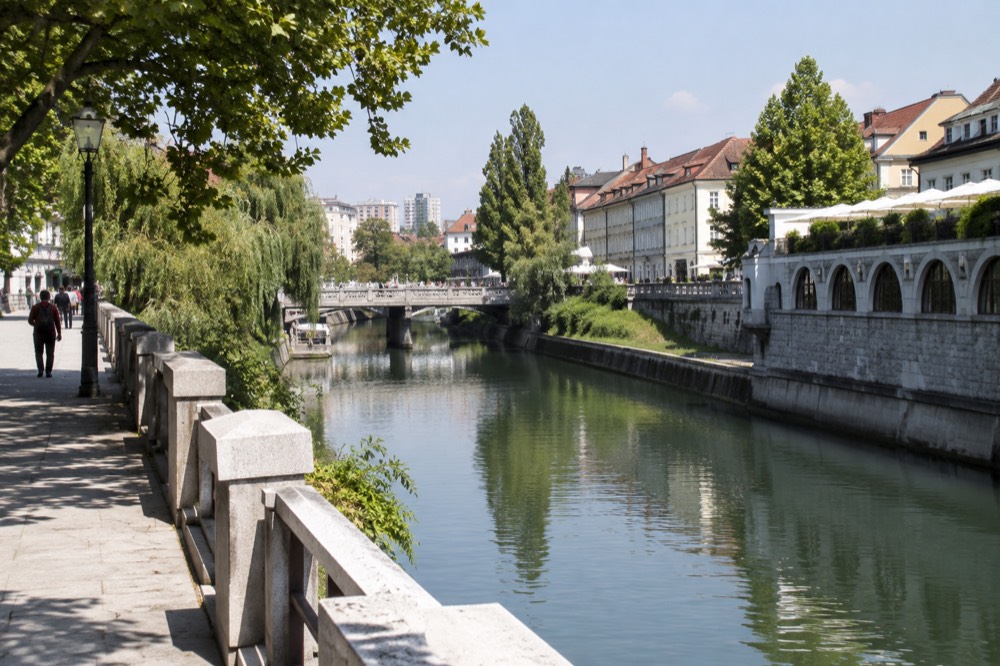
Within a short walk you have the Ljubljanica riverbank, the central market, the Triple Bridge and the funicular up to Ljubljana Castle, plus a cluster of the city's other museums, including the City Museum, the Museum of Modern Art and the Plečnik House. The gallery is close enough to the centre that almost everything worth seeing in Ljubljana is reachable on foot from its door, and the castle hill is the natural finale to a gallery morning. The museum cluster deserves special mention for the art-inclined. The Museum of Modern Art and MSUM Metelkova between them cover the twentieth century onwards, the period the National Gallery's collection largely steps before, and a combined ticket for the two costs 10.50 EUR. The City Museum, at 10 EUR, tells the story of Ljubljana itself, and the Slovenian Ethnographic Museum at 8 EUR covers the folk culture the paintings in the gallery depict.
The Plečnik House is the one that needs planning, as covered earlier: guided entry only, tours on the hour, 12 EUR with the guide included. Everything else in the cluster is walk-in, and nearly all of it closes on Monday, so a Tuesday-to-Sunday visit is the museum visitor's week in Ljubljana.
For the outdoor half of the neighbourhood, the riverbank and the market are the glue. The central market's outdoor stalls run roughly Monday to Saturday from 06:00, with the covered halls open into the afternoon, and on Fridays from spring to late autumn the Pogačarjev trg side hosts Odprta Kuhna, the Open Kitchen street-food market, which runs only in good weather, a detail worth checking on the day. Our guide to Odprta Kuhna covers the hours and the stalls.
Planning Your Visit: The Short Version
Go on any day but Monday, arrive at 10:00 or on a Thursday evening, pay 10 EUR for the permanent collection or 14 EUR combined, and give yourself 90 minutes to two hours. If your dates are flexible, aim for the first Sunday of the month, when admission is free, and if you are stacking the castle, the river cruise and the museums, price the Ljubljana Card first, because at 41 EUR for 24 hours it beats the separate tickets once you add a third covered sight. The gallery is the rare major attraction that needs no booking, no timed entry and no queue strategy, which makes it the most forgiving item in a Ljubljana itinerary. It is also the item most improved by context: an hour with the impressionists after two days in the Julian Alps lands differently from the same hour on a first morning, and the visitors who sequence it late in their stay consistently rate it higher.
Whatever the rest of your week holds, this is the page to read before the art one: the practical decisions, day, time, ticket, are all made here, and the collection will take care of itself. And if the weather turns, as in this city it often does, you have already done your homework.
If you are still building the wider trip, the three options below are the pairings most gallery visitors choose: the cave and castle day trip, the Lake Bled afternoon, and the free city walk that ties the whole centre together.
Common Questions About the National Gallery of Slovenia
How much does the National Gallery of Slovenia cost?
An adult ticket to the permanent collection costs 10 EUR, a temporary exhibition costs 6 EUR, and a combined ticket covering both costs 14 EUR. Admission is free for everyone on the first Sunday of every month.
When is the National Gallery of Slovenia open?
The gallery is open Tuesday to Sunday from 10:00 to 18:00, with late opening until 20:00 on Thursdays. It is closed on Mondays, like most of Ljubljana's major museums.
How long should I spend at the National Gallery?
Plan on 90 minutes to two hours: about an hour for the permanent collection at a normal pace, plus 30 to 45 minutes if you also visit a temporary exhibition. A focused highlights visit fits inside one hour.
Is the National Gallery free on certain days?
Yes. Admission is free on the first Sunday of every month, a rule confirmed by the gallery itself and shared by Slovenia's national museums and galleries. Expect larger crowds on those Sundays.
Is the National Gallery worth visiting with limited time in Ljubljana?
It depends on your stay. With only one day in the city, prioritise the castle, the Old Town and the river, and skip the museum. With two days or more, or on a rainy or foggy day, the gallery is the best indoor hour and a half in the capital.
Can I visit the National Gallery with the Ljubljana Card?
Yes. The Ljubljana Card includes one entry to each of its 30-plus covered museums and galleries, including the National Gallery, alongside the castle funicular, the river cruise, city buses and a guided walking tour. The card costs 41 EUR for 24 hours, 49 EUR for 48 hours and 54 EUR for 72 hours.