Plitvice Lakes from Ljubljana: The Long Day Trip Worth Every Kilometre
Plitvice Lakes is the biggest name within a day's reach of Ljubljana, and the honest question is not whether the lakes are spectacular, they are, but whether the journey suits your trip.
Short answer
Plitvice Lakes sits across the border in Croatia and is a long but workable day trip from Ljubljana, with most of the journey on fast roads. Croatia uses the euro and is inside the Schengen area, so there is no border stop and no currency change. Book transport or a guided tour ahead, and plan the visit around the park's busiest midday hours.
Plitvice Lakes National Park is the destination most Ljubljana visitors ask about that is not actually in Slovenia. Croatia's oldest and most visited national park, a UNESCO World Heritage cascade of sixteen terraced lakes linked by waterfalls, sits close enough to reach on a day trip and far enough that the day becomes a serious commitment. This guide sets out what the trip involves, what it costs in time and planning, and how it honestly compares with the headline day trips inside Slovenia itself, because that comparison is the decision most travellers are actually making.
Is Plitvice Lakes a Realistic Day Trip from Ljubljana?
Yes, Plitvice Lakes is a realistic day trip from Ljubljana, but it is a full-day commitment in every sense: the drive each way is long, the park itself demands four to six hours of walking to be worthwhile, and the day starts early and ends late. It works best for travellers with three or more nights in Ljubljana who have already seen or can skip the closer headline sights. Anyone on a tight two-night city break gets better value from a Lake Bled or Postojna day.
The honest framing is that Plitvice is the outer edge of what counts as a day trip from Ljubljana. The route runs south-east through Slovenia, past the Ljubljana marshes and down towards the Croatian border, then continues on Croatian roads to the park. Most organised day trips from the city run to roughly twelve hours door to door, which means an early hotel pickup and a return well after dark in the winter months.
That length is not a reason to skip it, but it is a reason to plan around it. Do not schedule Plitvice on the same day as a flight, and do not stack it next to another long day trip. Travellers who love the idea of a big water-and-rock day but want to be back for dinner should read the comparison section below first, because Slovenia has two strong alternatives that cost half the travel time.
For anyone set on the Croatian park, the practical choice is between an organised day tour, which handles the driving, the border roads and the park logistics, and a self-drive trip, which trades convenience for flexibility on timing. Self-drivers should note that the park operates timed entry in peak periods, so arriving with a plan matters more than arriving early. The park's own website is the source to check for current opening schedules, entry slots and prices, which change seasonally and are not reproduced here.
What Makes Plitvice Lakes Worth the Long Journey?
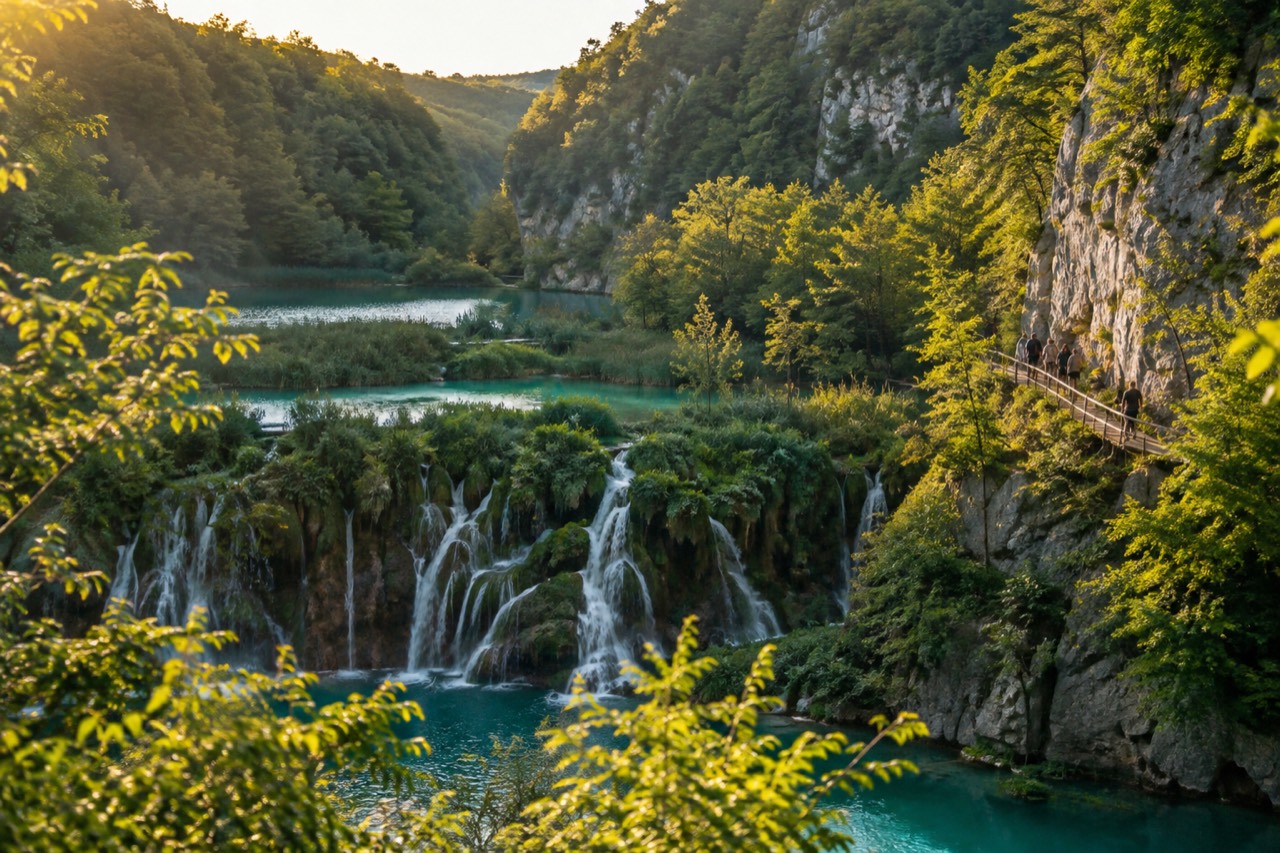
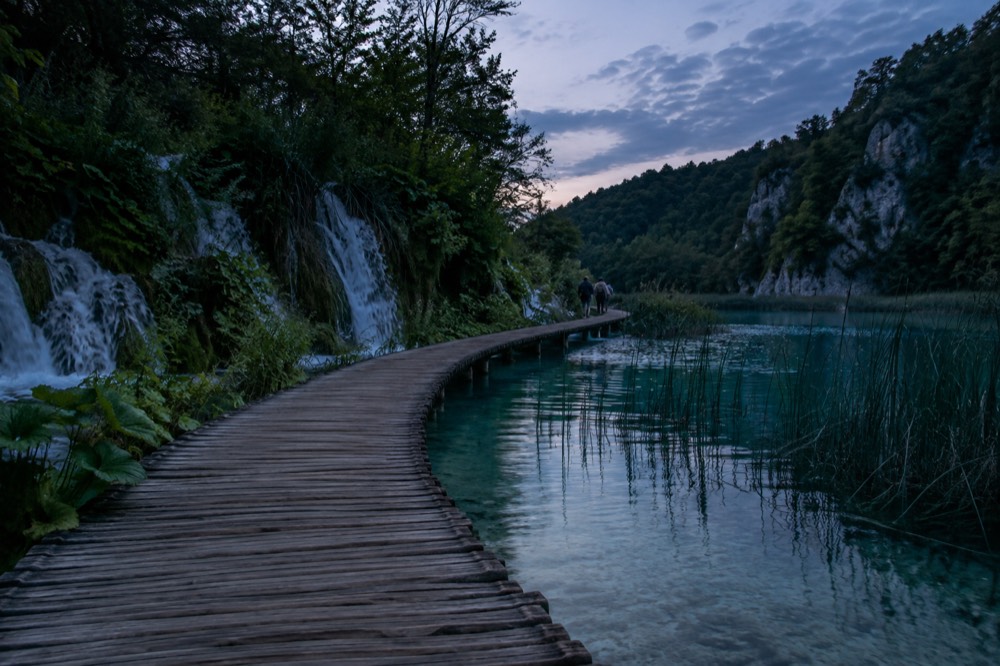
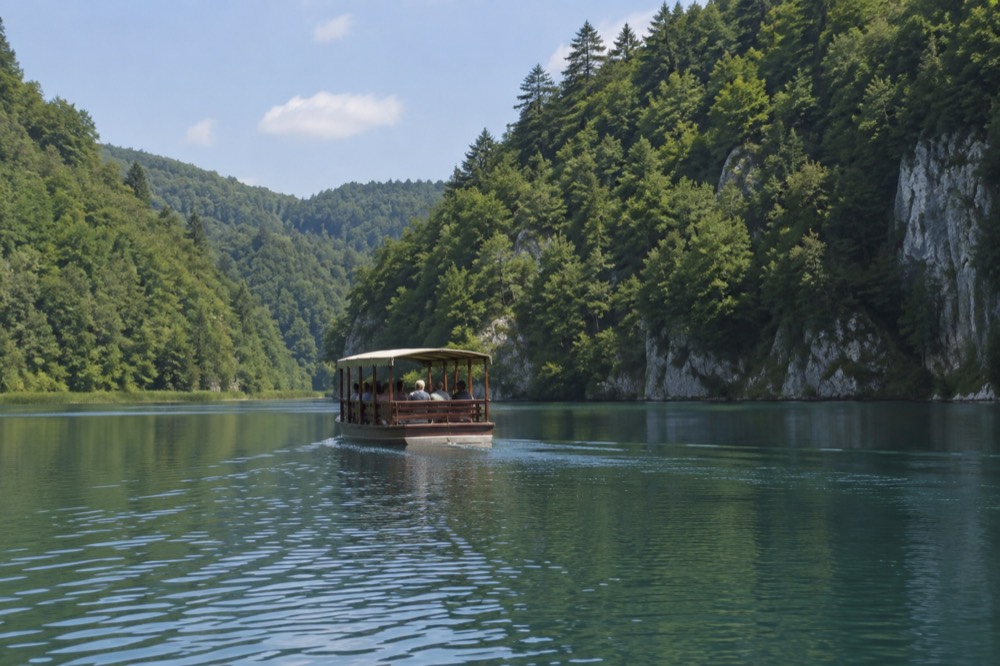
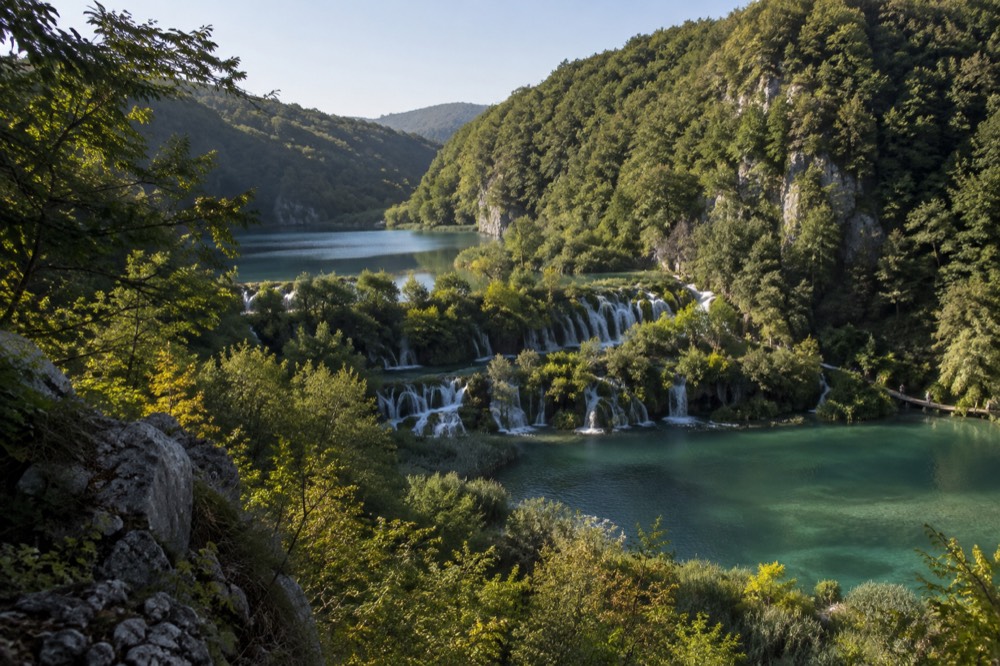
Plitvice delivers a landscape that genuinely does not exist in Slovenia: sixteen lakes stepped down a valley in a continuous chain, connected by waterfalls and crossed by wooden boardwalks built directly over the water. The travertine terraces that form the lakes are still growing, so the whole system is geologically alive. The colour of the water, a shifting turquoise produced by mineral deposits, is what most visitors remember, and no photograph fully prepares you for it.
The park's scale is the other argument in its favour. The lower and upper lakes together support a network of walking routes from a couple of hours to a full day, with electric boats crossing the largest lake and shuttle buses linking the entrances. That means a Plitvice visit can be tailored: a brisk highlights loop, or a slow full-circuit day with the quieter upper lakes included. Few day-trip destinations within reach of Ljubljana offer that range inside one boundary.
Wildlife adds a layer that the postcards skip. The park's forests hold deer, wild boar, wolves and bears, and the lakes themselves are famous for their trout, though fishing is banned inside the park. The bears are rarely seen and the park's rules keep it that way, but the knowledge that the surrounding forest is genuinely wild changes the character of a walk here compared with a managed European park.
The comparison worth making while the lakes are fresh in mind is with the sights closer to home. Slovenia's own headline day trips, from the Postojna Cave system to Lake Bled and the Soča Valley, each deliver one element of the Plitvice experience at a fraction of the travel cost. The sections below work through that trade-off properly, because for many travellers the honest answer is that two Slovenian days beat one Croatian marathon.
How Does Plitvice Compare with Slovenia's Own Headline Day Trips?
Plitvice wins on raw spectacle and loses on travel time. Its closest Slovenian rivals are the karst caves at Postojna and Škocjan, the turquoise Soča Valley, and Lake Bled, all reachable in half the driving time. A traveller with two spare days gets more total experience from two Slovenian trips than from one Plitvice day, but a traveller with one spare day who has already seen Bled should take Plitvice without hesitation.
The table below puts the realistic options side by side using the figures that matter for planning. Durations for the Slovenian tours come from their live listings; the Plitvice row reflects a typical organised day from Ljubljana, which is the format almost every visitor uses.
| Day trip from Ljubljana | Travel time each way | Time on site | Signature experience | Best for |
|---|---|---|---|---|
| Plitvice Lakes (Croatia) | Roughly 2.5 hours | 4-6 hours | Terraced lakes, waterfalls, boardwalks | Water and photography lovers |
| Postojna Cave and Predjama Castle | Under 1 hour | About 6 hours total tour | Cave train ride and cliff castle | Families, wet weather, first visit |
| Lake Bled and Bled Castle | Under 1 hour | About 6 hours total tour | Lake, island church, castle views | The classic Slovenian day out |
| Soča Valley and Kranjska Gora | Around 1.5 hours | Full 10-hour tour | Alpine river valley and mountain passes | Dramatic scenery, active travellers |
| Škocjan Caves (UNESCO) | Under 1.5 hours | Half-day trip | Underground canyon, 400 stairs | Caving purists, UNESCO collectors |
The pattern in the numbers is clear. Every Slovenian option buys back between two and four hours of your day compared with Plitvice, and in a short trip those hours are the scarcest resource. The Postojna and Predjama combination tour, for instance, runs six hours in total, rating 4.8 from 2,802 reviews on the live listing, and packs a cave train ride through one of Europe's most visited show caves plus a castle built into a cliff face. It is a different genre of spectacle from Plitvice, but it is a genuinely great day.
Lake Bled makes the same argument even more strongly. The six-hour Bled and Bled Castle trip, rated 4.7 from 1,641 reviews, delivers the lake, the island church and a clifftop castle in a single morning-and-afternoon, and leaves the evening free for Ljubljana's riverside. Our Lake Bled guide covers the lake in depth, and the Ljubljana or Bled piece tackles the basing question directly.
For travellers who have already booked Bled and the caves into their itinerary, Plitvice stops being a rival and becomes the upgrade: the one day trip that leaves Slovenia entirely and shows something the country, for all its lakes and gorges, cannot show.
What Does a Plitvice Day Trip Actually Cost?
Plitvice's entry price changes with the seasons and is set by the park itself, so the figure to check is on the official park website, and this guide will not quote a number it cannot verify. The costs you can plan are the transport, a guided tour from Ljubljana typically being the simplest single payment, plus food, since options inside the park are limited and pricey. Croatian prices run broadly similar to Slovenia's, and both countries use the euro, so there is no currency conversion to budget for.
The border and currency point is worth stating precisely, because it removes a whole category of planning worry. Croatia joined the Schengen area and adopted the euro on 1 January 2023, and Slovenia has been in both since 2007 and 2008 respectively. Driving from Ljubljana to Plitvice involves no routine border checks and no money changing, a fact confirmed on the Slovenian government's EU membership page.
For budgeting the Slovenian comparisons, the verified figures are solid. Postojna Cave charges 34.90 EUR for an adult ticket and Predjama Castle 24.00 EUR, both read from the operators' official price lists. Bled Castle is 19.00 EUR and the pletna boat to Bled Island is 20 EUR per person. Vintgar Gorge, the closest Slovenian analogue to a Plitvice-style water walk, charges 15.00 EUR and opens April to October, closing for winter. These are the numbers to build a two-Slovenian-days-instead-of-one-Plitvice-day budget from.
| Cost item | Figure | Notes |
|---|---|---|
| Plitvice entry, adult | Check the official park site | Seasonal pricing, timed slots in peak periods |
| Postojna Cave, adult | 34.90 EUR | Official operator price list |
| Predjama Castle, adult | 24.00 EUR | Official operator price list |
| Bled Castle, adult | 19.00 EUR | Official castle price list |
| Pletna boat to Bled Island | 20 EUR per person | Bled official information |
| Vintgar Gorge, adult | 15.00 EUR | April to October only |
| Škocjan Caves, adult | 16.00-24.00 EUR by season | Lowest in winter, highest in July and August |
One cost warning specific to Plitvice: the park's popularity is its own tax. In July and August the boardwalks jam, the car parks fill by mid-morning, and the experience of the lakes becomes partly a crowd-management exercise. The cheapest version of the trip, going independently by hire car, is also the version that most exposes you to that peak-season squeeze, because tour operators hold allocated time slots.
When Is the Best Time of Year to Visit Plitvice?
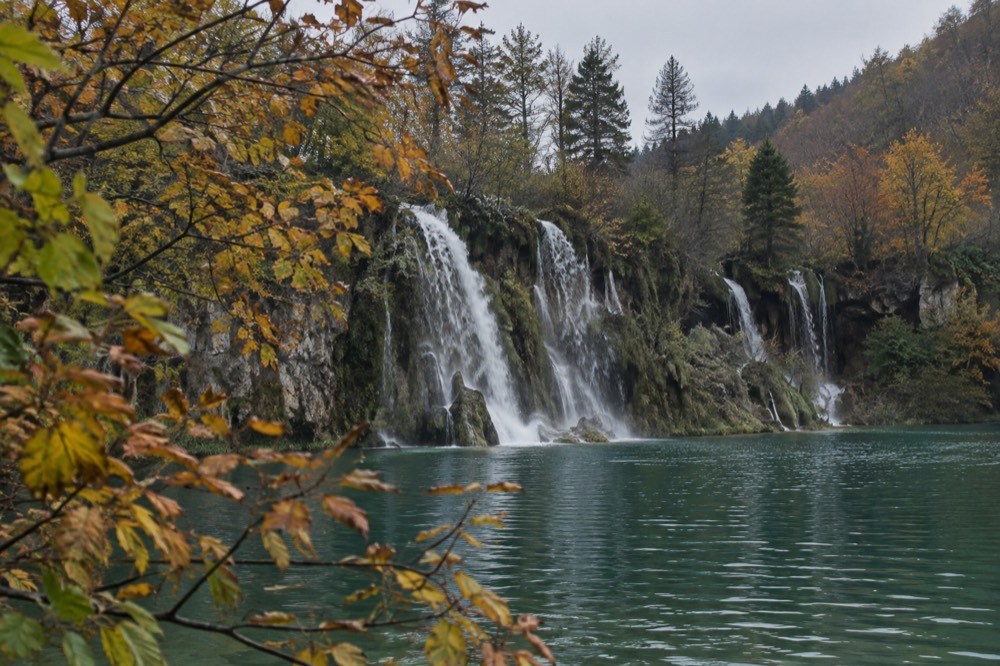
Late spring and early autumn are the sweet spots for Plitvice: the waterfalls are at their fullest in spring, the crowds are thinner outside the July and August school holidays, and the forest colour in October is spectacular. Winter transforms the park entirely, with frozen waterfalls and snow, but reduced access and short daylight hours make it a poor choice for a day trip from Ljubljana specifically. The worst combination is a summer weekend, when the park is at its absolute busiest.
The seasonal logic runs parallel to the planning advice for Slovenia itself, with one difference: Plitvice is a single-purpose destination, so a bad-weather day there is a wasted long drive, whereas a rainy day in Ljubljana can be rerouted to the caves, which hold roughly the same temperature year round and are the reliable wet-weather answer. That flexibility is the quiet advantage of the Slovenian side of the border.
For the timing of your whole Ljubljana stay, our best time to visit Ljubljana guide carries the full seasonal breakdown. The one Ljubljana-specific fact that should shape a Plitvice plan is the city's basin climate: Ljubljana averages just 37 clear days a year against 130 overcast ones, and September and October tie as the foggiest months at 12.4 fog days each, level with December, per ARSO's 1971-2000 normals. A grey morning in the city does not mean a grey afternoon at the lakes, which sit outside the basin, but it does mean you cannot judge the day from your hotel window.
| Season | Plitvice conditions | Crowds | Verdict for a day trip |
|---|---|---|---|
| April-May | Full waterfalls, fresh green forest | Moderate | Excellent choice |
| June | Long days, warm | Building | Very good |
| July-August | Peak water warmth, busiest access | Heavy | Only with a timed-slot tour |
| September-October | Autumn colour, reliable water | Moderate | Excellent choice |
| November-March | Reduced access, possible snow and ice | Light | Poor for a same-day return |
What Should You Pack for a Day at the Lakes?
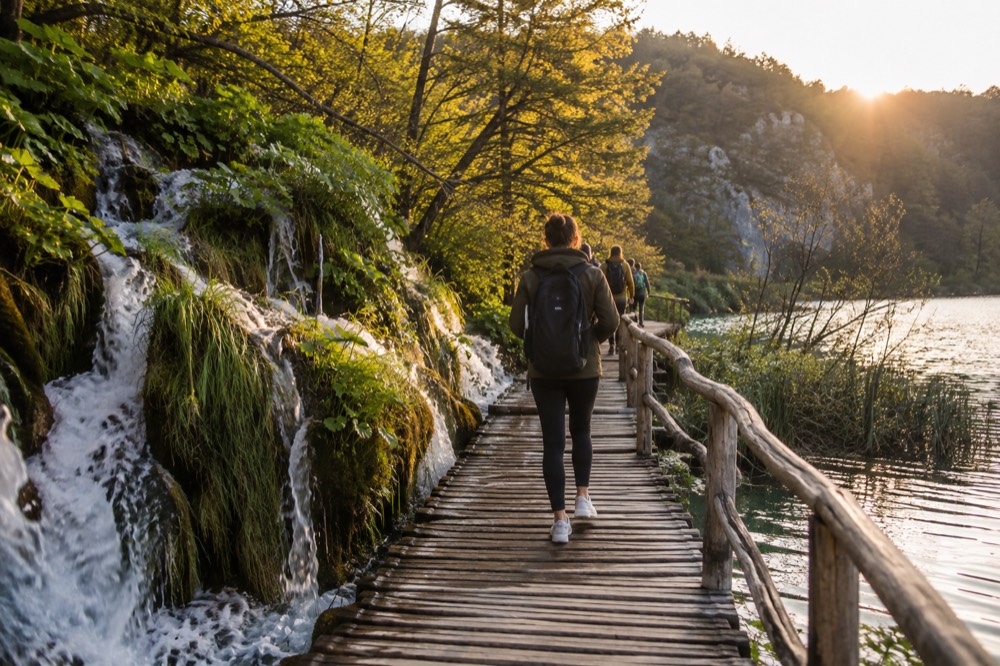
Pack for walking, not for sightseeing: comfortable waterproof shoes are the single most important item, because the boardwalks are wet, uneven in places and slippery when crowded. Bring a refillable water bottle, a packed lunch or substantial snacks for the road, layered clothing for a day that starts before dawn, and rain gear regardless of the forecast. The park is a walking destination first and a viewpoint second, and the visitors who enjoy it most are the ones dressed for six hours on their feet.
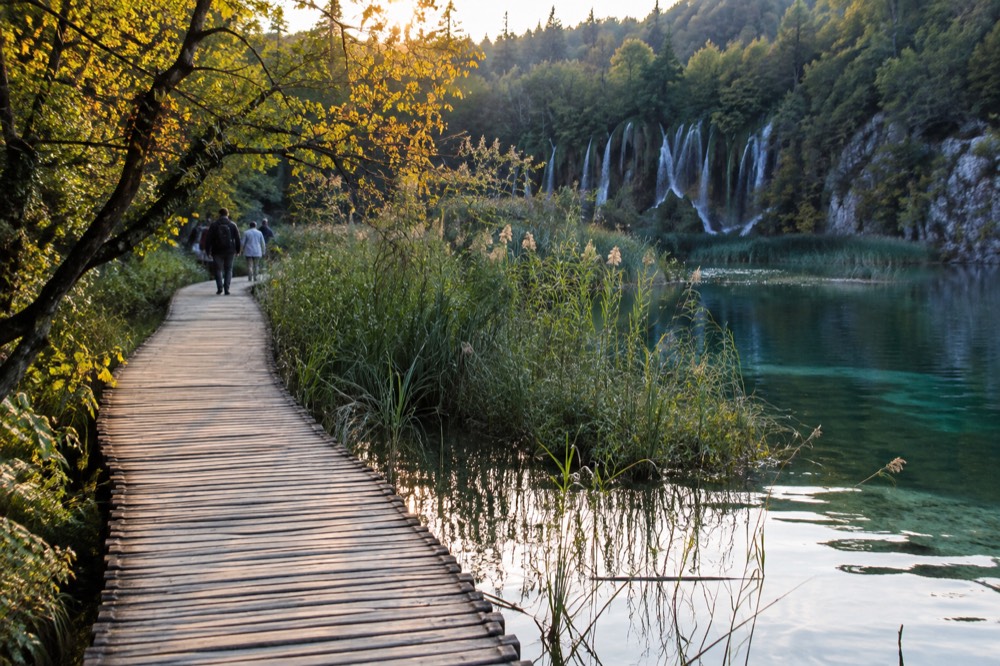
The footwear point deserves emphasis. The signature Plitvice experience is the network of wooden boardwalks built directly over the lakes, and those walkways are permanently damp from spray and splash. Trainers with worn soles are the most common cause of a miserable visit, and sandals are simply the wrong choice. Walking shoes or trail shoes with grip turn the day from a cautious shuffle into an actual walk.
Food planning matters more on a Plitvice day than on any Slovenian day trip. The drive is long, the park's restaurants are concentrated at the entrances, and stopping for a leisurely lunch eats into walking time. Most guided tours build in a food stop, but the quality and price of park food is the usual national-park trade-off, so a packed lunch or hearty snacks from Ljubljana's Central Market the day before is the move most experienced travellers make.
| Item | Why it matters |
|---|---|
| Waterproof walking shoes | Boardwalks are wet and slippery year round |
| Rain jacket | Mountain valley weather changes fast, and Ljubljana's autumn is wet |
| Packed lunch and snacks | Long transfer days leave little time for proper meals |
| Refillable water bottle | Drinking water is available at the park |
| Layers | Early pickup and late return mean a 15-degree swing |
| Cash-free wallet | Both countries use the euro and cards are widely accepted |
Plitvice or Lake Bled: Which Day Trip Should You Take?
Take Lake Bled if your time in Slovenia is short, if this is your first visit, or if you want the evening back in the city; Bled is under an hour away and the standard tour returns within six hours. Take Plitvice only if you have already secured Bled, or if terraced water matters more to you than alpine scenery, and you accept a twelve-hour day. The two are not substitutes, they are different landscapes, but for most itineraries Bled is the higher-value day per hour travelled.
Bled's advantage is arithmetic. The six-hour Bled and Bled Castle tour from Ljubljana, rated 4.7 from 1,641 reviews and from $86 on the live listing, spends a far larger share of its duration actually at the sight rather than in transit. The lake, the island with its church, the castle perched on a cliff and the walk around the shore compress a lot of Slovenia's identity into one short loop. Our Lake Bled and Ljubljana to Lake Bled guides cover the practical routes in detail.
Plitvice's counter-argument is that Bled, for all its beauty, is one lake with one island, while Plitvice is a system: sixteen linked lakes, waterfalls at every step, and a walk that keeps changing character for hours. Travellers who have seen a lot of alpine lakes and want something categorically different will feel the pull of the Croatian park, and for them the long day is the right trade.
There is also a middle path worth naming: skip the binary. Several operators run combined itineraries across a week's stay, and our day trips from Ljubljana overview ranks all the options, including the Zagreb route that shares part of the Plitvice road. A traveller with four nights can comfortably do Bled, the caves and Plitvice on alternating days, and that sequence is arguably the ideal use of Ljubljana as a base.
What Else Can You Combine with Plitvice from Ljubljana?
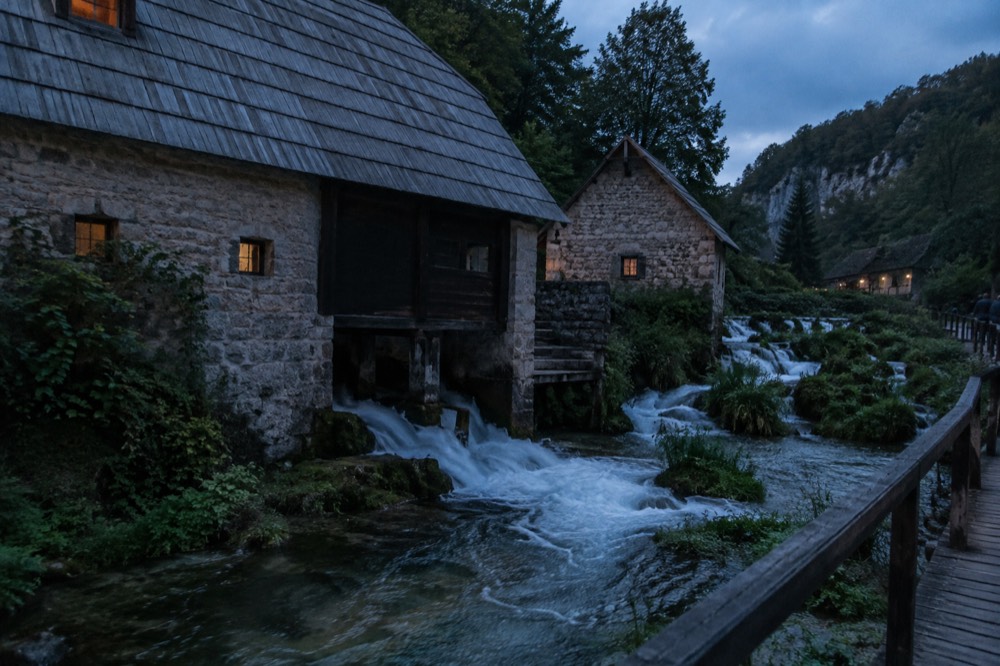
The most natural combination is Plitvice with the Rastoke watermill village, which sits on the approach road and is often included in organised tours as a stop. Beyond that, the same south-eastern corridor leads towards Zagreb, Croatia's capital, which is itself a feasible day trip from Ljubljana. Travellers with a car sometimes pair Plitvice with a northern Croatia overnight, turning the day trip into a two-day loop through the Croatian interior.
Rastoke deserves the mention because it is the stop that breaks up the drive. A small village built where a river splits over travertine barriers, with watermills and houses standing directly in the water, it is sometimes described as a miniature Plitvice, and tours that include it give the day a second, quieter water sight. If you are self-driving, it is the obvious halfway pause.
The Zagreb link matters for itinerary planning. Croatia's capital is a comfortable day trip from Ljubljana, covered in our Ljubljana to Zagreb guide, and the Ljubljana or Zagreb comparison addresses the basing question directly. Since Croatia joined the Schengen area in January 2023, the whole corridor from Ljubljana through Zagreb to Plitvice runs without border checks, which has quietly made these Croatian day trips far smoother than they were a few years ago.
For travellers who prefer to stay inside Slovenia but want a comparable long-day adventure, the Soča Valley is the strongest substitute: a ten-hour guided tour into the Julian Alps and the emerald Soča river, rated 4.9 from 911 reviews on the live listing. It is the same investment of a day for a very different return, alpine drama rather than still water.
Practical Planning: Borders, Money and Timing
Croatia and Slovenia are both in the European Union, the eurozone and the Schengen area, so a Plitvice day trip involves no border stop, no currency exchange and no roaming surprises within the EU. The practical planning items that actually matter are the early start, the timed-entry system in peak season, comfortable shoes and a realistic sense of the drive. Book a tour or plan a self-drive route before you arrive, because same-day arrangements in summer are unreliable.
The travel-day shape is the last thing to get right. Most organised Plitvice days from Ljubljana begin with pickups in the early morning, reach the park by late morning, allow four to six hours inside, and return after dark in the darker half of the year. Self-drivers should mirror that shape: leave before 7:00, arrive for park opening, walk the full circuit while the tour groups are still on the road, and use the late afternoon for the return. The park's own site is the authority on current opening hours and entry prices, and those figures change often enough that checking them is part of the trip, not an afterthought.
Two Ljubljana-specific practicalities close the loop. The city centre is pedestrianised, so if your accommodation is inside the ring, plan to walk to your pickup point rather than expect a car to the door, a detail our getting around Ljubljana guide covers in full. And if the forecast turns against you on the morning of the drive, remember the reliable fallback: the caves hold roughly 10 C year round, so Postojna or Škocjan run in any weather, which is why this guide keeps recommending them as the wet-day alternative.
For travellers who want the water-and-caves experience without leaving the country at all, the Škocjan Caves and Piran day trip is the sleeper option: a 9.5-hour tour combining a UNESCO-listed underground canyon with the Slovenian coast, rated 4.7 from 382 reviews. It delivers the two things, dramatic water and a UNESCO badge, that draw people towards Plitvice, entirely inside Slovenia.
Ljubljana works as a base precisely because days like this are within reach: one direction for alpine lakes, another for karst caves, a third for the Adriatic, and a long but genuine run south-east to Croatia's most famous park. The Ljubljana Travel Guide homepage lays out the full picture of what the city and its surroundings offer, and it is the right place to start when the day-trip list grows longer than the calendar.
The verdict, stated plainly: Plitvice Lakes is worth the journey if the journey itself fits your itinerary. For a first visit to Slovenia on a short stay, the caves, Bled and the Soča Valley deliver more experience per hour on the road, and they should come first. For a traveller with the days to spare, or one who has already fallen for Slovenia and wants the encore, the long drive south-east is one of the great day trips available from any European capital.
Common Questions About Plitvice Lakes from Ljubljana
Is Plitvice Lakes doable as a day trip from Ljubljana?
Yes, but it is a full-day commitment of roughly twelve hours door to door with an organised tour, and comparable for self-drivers. The park rewards four to six hours of walking, so the day works best when you accept the early start and late return rather than fight them.
Do you need a passport to visit Plitvice from Ljubljana?
Croatia joined the Schengen area on 1 January 2023, so there are no routine border checks on the route, and an identity card is sufficient for EU citizens. Carry your passport or ID card regardless, as spot checks remain legally possible inside Schengen.
Is Plitvice better than Lake Bled?
They are different landscapes rather than rivals. Plitvice offers sixteen linked terraced lakes and waterfalls on boardwalks; Bled offers one alpine lake with an island church and castle, under an hour from Ljubljana. For a short stay, Bled is the higher-value day per hour travelled; for a return visitor, Plitvice is the upgrade.
What is the best month to visit Plitvice Lakes?
May and September are the strongest months: waterfalls are full in spring, autumn colour arrives in late September and October, and both sit outside the July and August peak crowds. Winter visits are atmospheric but a poor fit for a same-day return to Ljubljana.
Can you visit Plitvice without a tour?
Yes. Hiring a car in Ljubljana and driving yourself is straightforward, and the route runs without border checks. The trade-offs are parking, timed-entry slots in peak season and a long return drive after a long walk, which is why many travellers prefer an organised day with the driving handled.
Is there an entrance fee for Plitvice Lakes?
Yes, the park charges for entry and prices vary by season, with the highest rates in the July and August peak. The current figures are published on the official park website, which also runs the timed-entry booking system, so check both before travelling.