Ljubljana City Break: How to Plan It
Ljubljana is a two-night city, compact, walkable and pedestrianised at its centre, which makes it one of the easiest short breaks in Europe to plan. This is the whole plan in one page: days, neighbourhoods, budgets, weather traps and the day trips worth cutting a day for.
Short answer
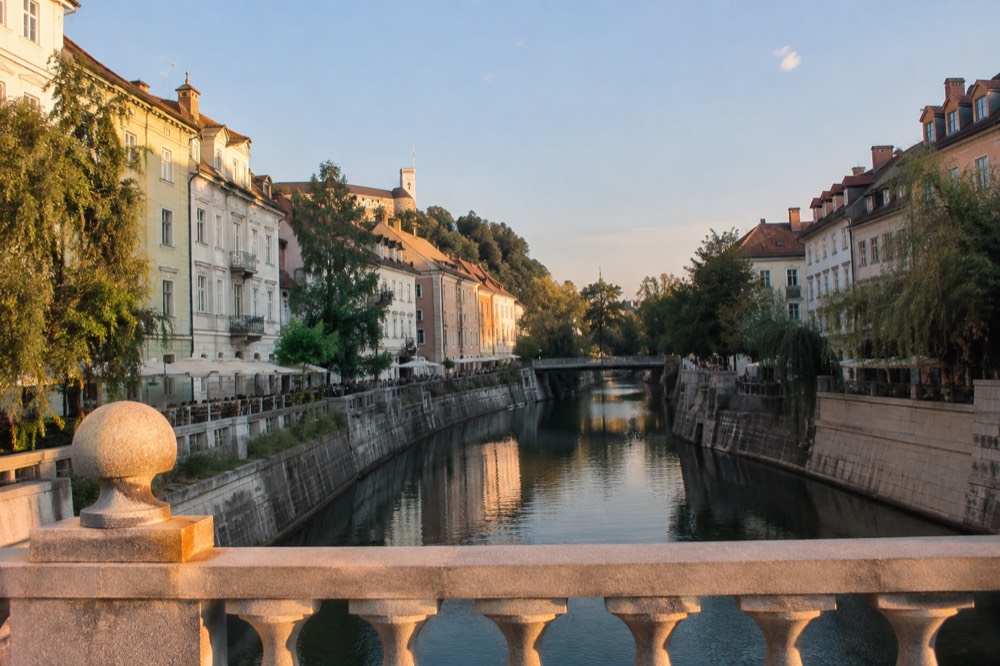
Plan two to three days in Ljubljana itself: one for the Old Town, the castle and the river, one for Tivoli Park and the museums, and a spare half day for a food walk or a Ljubljanica cruise. Add a fourth day for Lake Bled or Postojna Cave. The centre is pedestrianised, the euro is the currency, and the city averages just 37 clear days a year, so book the castle and a cave trip as indoor anchors.
Ljubljana breaks the usual rules of a European city break. The centre is pedestrianised, roughly 20 hectares of it, closed to general traffic and progressively expanded since 2007, so once you have dumped your bags you barely need transport at all. The tourist board's own figures for 2025 record 1,392,728 arrivals and 2,844,129 overnight stays in the municipality, which works out to an average stay of about 2.04 nights. Ljubljana is, statistically, a two-night city. That is the single most useful planning fact on this page, and almost nobody plans around it.
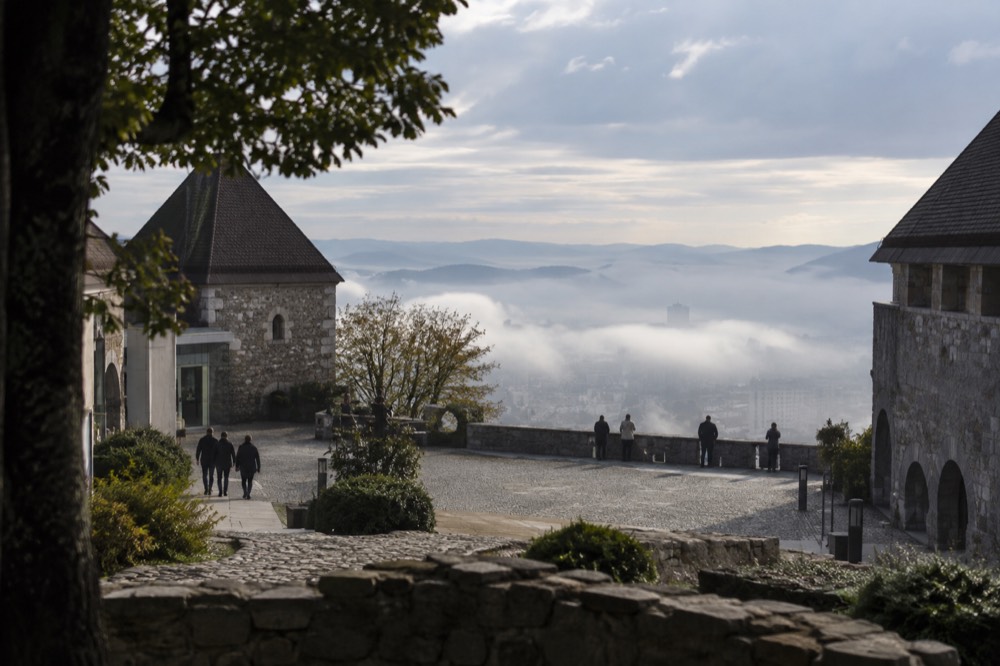
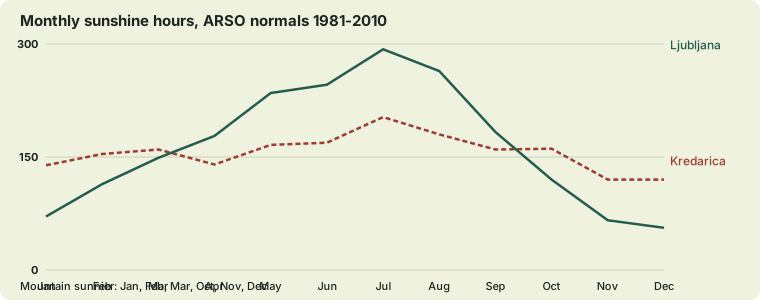
The second fact is stranger and matters more than you would think. Ljubljana sits on the floor of a basin at 299 m, and in the colder half of the year a temperature inversion caps that basin with fog and low cloud. ARSO's 1981-2010 climate normals give the city just 56 hours of sunshine in the whole of December and only 37 clear days in an average year, against 130 overcast ones. A winter visitor who plans only street-level sightseeing can lose half a weekend to grey. The fix is built into this itinerary: go up, or go underground.
How Many Days Do You Need for a Ljubljana City Break?
Two days covers the city proper with room to spare, and three is the sweet spot if you want a day trip without rushing anything. The average visitor stays about two nights, which is genuinely enough for the Old Town, the castle, Tivoli Park and a river cruise, because the centre is small and car-free and everything worth seeing sits within a 20-minute walk of everything else. Add a third day only if you are certain about Bled or the caves.
The honest arithmetic: the castle complex, the Triple Bridge, Prešeren Square, the Cathedral and the Central Market form one compact loop you can walk in a morning. Tivoli Park and the National Gallery fill an afternoon. The Ljubljanica cruise takes under an hour. What eats time in Ljubljana is not distance, it is stopping, because the riverside and the market are built for lingering.
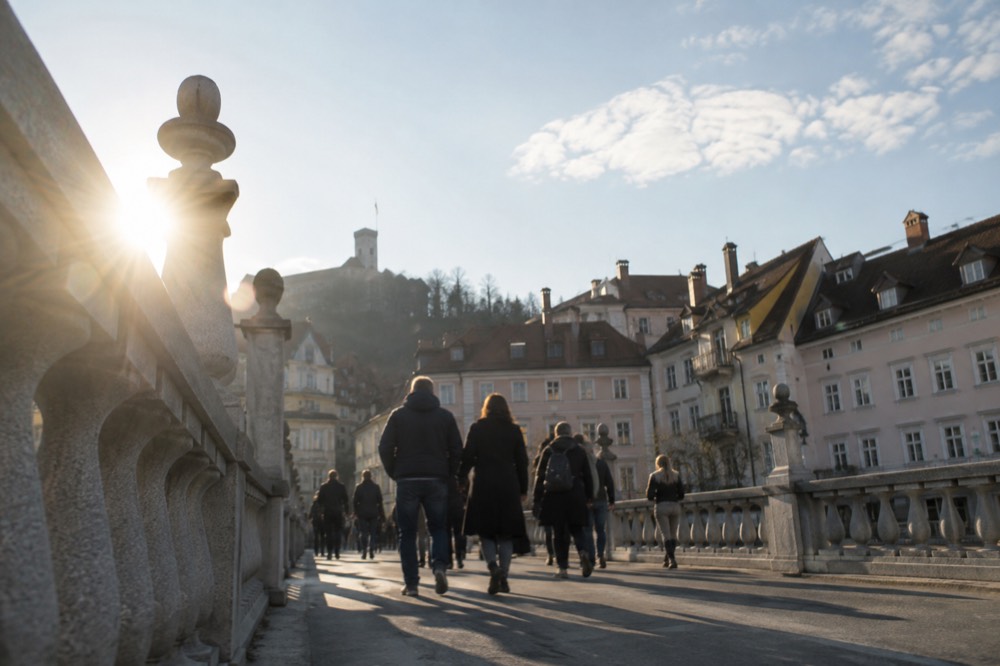
Where the third day pays for itself is the day-trip layer. Lake Bled carries more search demand than the entire city of Ljubljana, and most people combining the two want Bled without giving up the capital. A three-day break with one Bled day does that cleanly. If you would rather stay in the city, a third day buys you the Plečnik House, Metelkova in the evening and an unhurried food walk, which is a perfectly good way to spend it.
| Break length | What fits comfortably | What you sacrifice |
|---|---|---|
| 1 night | Old Town loop, castle, river cruise | Museums, Tivoli, every day trip |
| 2 nights | Full city itinerary at walking pace | Bled or the caves, unless you sprint |
| 3 nights | City plus one full-day trip | A second day trip |
| 4 nights | City, Bled and Postojna | Nothing, at a relaxed pace |
If you are weighing Ljubljana against a longer stay elsewhere in Slovenia, the Ljubljana or Bled comparison is worth a read before you book, because the two answer different questions.
What Should Your First Day in Ljubljana Look Like?
Start at Prešeren Square, cross the Triple Bridge, walk the riverside to the Central Market, then take the funicular up to Ljubljana Castle for the afternoon and come down into the Old Town for the evening. That single loop covers the postcard Ljubljana, needs no transport beyond the two-minute funicular ride, and ends within five minutes' walk of wherever you are likely to be staying.
Prešeren Square, Prešernov trg, is the natural assembly point: the Franciscan Church of the Annunciation fronts it, the Triple Bridge spills off it, and every free walking tour in the city passes through it within the first ten minutes. Cross Jože Plečnik's Triple Bridge, Tromostovje, and you are in the Old Town proper, where the streets narrow and the buildings go Baroque. The Ljubljanica runs alongside the whole stretch, and the riverside promenade from the Dragon Bridge down to the Špica is the city's single best walk.
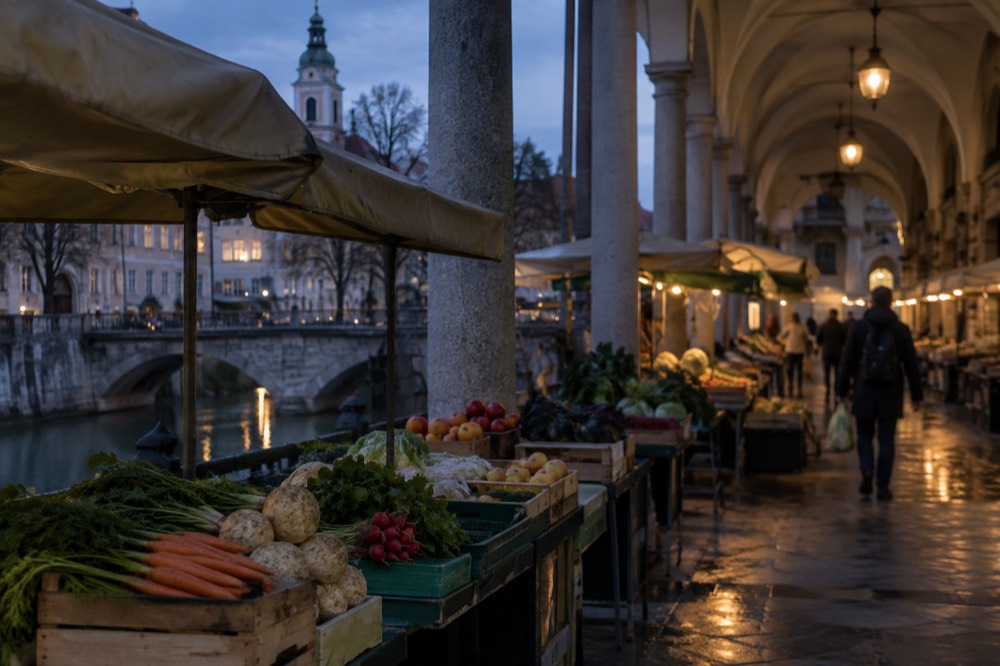
The Central Market, on Vodnikov and Pogačarjev trg, runs roughly Monday to Saturday from 06:00, 18:00 in summer and 16:00 in winter, with limited Sunday opening April to November. If your break includes a Friday between March and November, Pogačarjev trg also hosts Odprta Kuhna, the Open Kitchen street-food market, from 10:00 into the evening. One honest caveat: the official wording is "every sunny Friday", and that is literal. The market is cancelled in bad weather, which in a city averaging 147 mm of rain in both September and October is a real possibility. Plan it as a bonus, not a certainty.
The castle is the afternoon. The grounds sit above the Old Town on Castle Hill, and the funicular from Krek Square does the climbing for you. A castle ticket including the funicular costs 19.00 EUR for an adult and covers the Viewing Tower, the exhibitions and the ride both ways; the funicular alone is 6.00 EUR return if you only want the view. The castle is open 365 days a year, 09:00 to 20:00 from May to September and 09:00 to 18:00 the rest of the year, with the funicular running an hour later than the attractions in the summer season.
If you would rather have a guide for the climb, the Ljubljana Old Town walking tour route is covered by several options, and the free GuruWalk walk below is the cheapest way to get the stories. For the castle itself, the castle and funicular guide has the full price breakdown.
The band above is the shape of most people's actual booking: a cave day trip, a Bled day trip, and a free first-day walk. The free walk, Ljubljana Unveiled, runs about two hours on GuruWalk, is pay-what-you-think-it-was-worth, and carries a 4.91 rating from 1,496 reviews. It is the single best value on this page and the right thing to do on your first afternoon, because it ends with the map already in your head.
How Much Does a Ljubljana City Break Cost?
Budget roughly 150 to 200 EUR per person per day for a comfortable mid-range break: 100 to 120 EUR of that on a hotel, 40 to 60 EUR on food if you eat one restaurant meal, and the rest on entry tickets and transport. The city itself is cheap to move around, a single bus ride is 1.50 EUR for 90 minutes, and the biggest variable is accommodation, which this site does not quote because nightly hotel rates are date-specific and sit behind booking walls.
Entry costs are the part you can plan precisely. The castle with funicular is 19.00 EUR. A river cruise is 15 EUR with Barka Ljubljanica for a 50-minute loop. The National Gallery is 10 EUR, the City Museum 10 EUR, the Museum of Modern Art 7 EUR, and the national institutions are free on the first Sunday of every month, which is worth building a break around if your dates flex. Nearly every museum except the National Museum, the Natural History Museum and the Museum of Illusions closes on Monday, so put museum day anywhere but Monday.
| Item | Adult price | Notes |
|---|---|---|
| Castle ticket with funicular | 19.00 EUR | Covers tower and exhibitions |
| Funicular return only | 6.00 EUR | Single 3.30 EUR |
| Ljubljanica river cruise | 15.00 EUR | 50 minutes, Barka Ljubljanica |
| National Gallery | 10 EUR | Combined ticket 14 EUR, closed Monday |
| City Museum | 10 EUR | Closed Monday |
| Museum of Modern Art | 7 EUR | Closed Monday |
| Bus single, zone 1 | 1.50 EUR | 90 minutes including transfers, no cash on board |
| Tourist tax | 3.13 EUR per night | 2.50 EUR tax plus 0.63 EUR promotion surcharge |
Two traps worth naming. City buses do not accept cash at all, though contactless Visa, Mastercard and mobile wallets now work on board, which removes the old Urbana-card scramble. And tourist tax, 3.13 EUR per person per night at full rate, is usually not included in the headline room price, so a two-night stay carries roughly 6.26 EUR per person the booking screen may not show.
The [Ljubljana Card](/guides/ljubljana-card/) is the one bundle worth doing the arithmetic on before you buy. The 24-hour tier costs 41.00 EUR and includes the castle funicular, the river cruise, city buses, a guided walking tour, four hours of BicikeLJ bike share and one entry each to more than 30 museums and galleries. The castle funicular and the cruise alone come to about 34 EUR before a single museum, so the card pays for itself the moment you add two gallery entries. It does not cover the castle's paid attractions beyond the funicular, so read the fine print against your actual plan.
If your break falls in the grey months, the cave day trip is the booking that never gets rained off. Postojna Cave holds about 10 C year round, open every day including holidays, and this combined cave and Predjama Castle tour runs six hours from the city with a 4.8 rating from 2,802 reviews. Free cancellation means it can slot into the driest-looking day of your break and be moved if the forecast improves.
Where Should You Stay for a Short Break?
Stay inside or immediately beside the pedestrianised centre: the area bounded by the river, Kongresni trg and Tabor is where the whole itinerary happens, and anything within a 15-minute walk of Prešeren Square puts every sight, restaurant and pier on foot. Trnovo and the Krakovo quarter just south of the centre are the quieter, more local fallback when centre prices spike, and Bežigrad is the practical choice if you arrive by train.
The centre's pedestrianisation is the deciding fact. A hotel inside the zone means no taxis, no parking anxiety and no bus journeys for the entire stay, because everything in the first two days of this itinerary is walkable from Prešeren Square. The trade is price and noise, and on a two-night break the noise is manageable if you pick a street off the river.
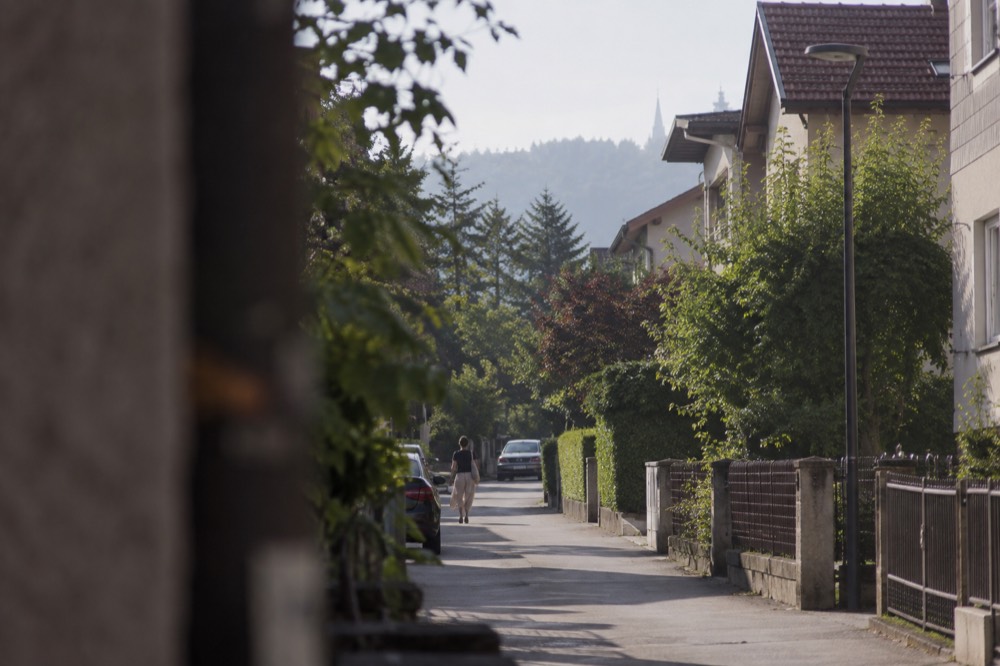
The where to stay in Ljubljana guide breaks the neighbourhoods down street by street, and the best part of Ljubljana to stay in post answers the same question for people who want one direct recommendation rather than a survey. The short version for a city break: centre first, Trnovo second, and only look further out if the dates you have chosen have pushed centre rates past what you will pay.
One arrival note that saves real time: Ljubljana Airport, LJU, is about 26 km from the city, and the airport's own site blocks automated fare and timetable reads, so this site publishes no bus fare or frequency for that leg. The airport to city centre guide covers the transfer options and what to check before you fly.
What Is the Best Time of Year for a City Break?
May, June and September are the best months: warm, long days and the city at full seasonal speed, with September carrying a rain caveat. July and August are the warmest at 21.3 C and 20.6 C mean, but also the busiest. Avoid late October through November for sunshine, when the basin inversion means a single clear day a month, and do not assume autumn is dry, because September and October are Ljubljana's joint wettest months at 147 mm each, wetter than July.
The counterintuitive part is the fog. Everyone assumes a basin city fogs in midwinter, and it does: December averages 12.6 fog days. But ARSO's 1971-2000 normals, the only period for which fog is published, put September and October level with the autumn peak at 12.4 fog days each, above January's 11.3, and September mornings are the most humid of the year at 94 percent relative humidity. The early-autumn shoulder that guidebooks sell as dry and golden is, in Ljubljana, as foggy as December. Everything else covered here is indexed on Ljubljana Travel Guide.
| Month | Mean temp | Sunshine hours | Rain, mm | Clear days |
|---|---|---|---|---|
| May | 15.8 C | 235 | 109 | 3 |
| June | 19.1 C | 246 | 144 | 3 |
| July | 21.3 C | 293 | 115 | 5 |
| August | 20.6 C | 264 | 137 | 6 |
| September | 16.0 C | 183 | 147 | 2 |
| October | 11.2 C | 120 | 147 | 1 |
| December | 1.2 C | 56 | 107 | 2 |
Figures are ARSO 1981-2010 normals for Ljubljana at 299 m. The sunshine column is the one to read: the city wins April to September and loses every winter month to the mountains above it, which is the next section's point.
The practical reading of all this for a short break: in any month from October to March, plan one thing that goes up, the castle hill, Šmarna Gora, a Bled day, and one thing that goes underground, a cave, and let the street-level sightseeing fill whatever the sky gives you. Caves hold roughly the same temperature year round, which is exactly why they anchor the wet-weather half of this plan.
Which Day Trips Are Worth Cutting a Day For?
Lake Bled and Postojna Cave are the two that justify losing a city day, and both run as organised tours from Ljubljana in five to six hours. Bled is the headline, it carries more search demand than Ljubljana itself, while Postojna is the weather-proof one at a constant 10 C. Škocjan Caves and the Soča Valley are the second-tier picks for a longer break, and Piran is the choice if you want the sea rather than the mountains.
Bled first. The standard guided day tour runs six hours, rates 4.8 from 888 reviews and starts from $57, which is the cheapest structured way to do it. The fuller version with Bled Castle entry runs the same length, rates 4.7 from 1,641 reviews and starts from $86. If you would rather go under your own steam, the Ljubljana to Lake Bled guide covers the transfer options, with one genuinely useful rail detail: Bled Jezero station is 1.5 km from the lake, while the better-known Lesce-Bled station is 4 km out on a different line.
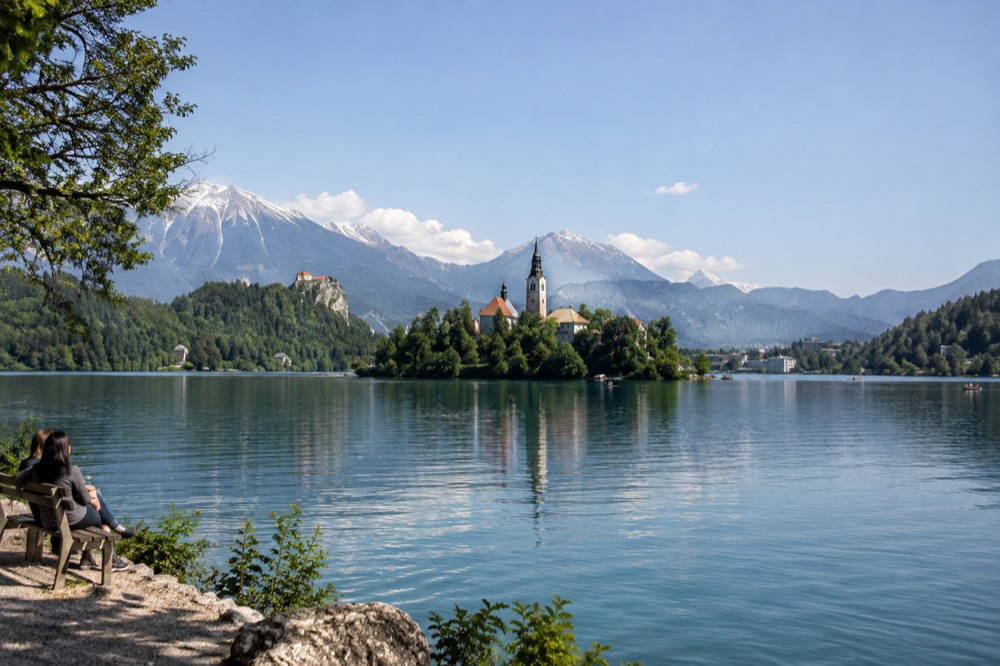
Postojna second. The cave is 3.7 km of route travelled partly by train, about 90 minutes inside, and an adult ticket bought on the spot is 34.90 EUR. The combined six-hour tour from Ljubljana that includes Predjama Castle, the castle built into a cliff face, starts from $132, rates 4.8 from 2,802 reviews and is this site's related pick for this itinerary because it solves the weather problem outright. Predjama alone is 24.00 EUR if you go independently. The Postojna Cave guide has the full timetable detail, and the day trips overview ranks every option from the city.
The third tier depends on the shape of your break. The Škocjan Caves are the UNESCO-listed alternative to Postojna, a walking route of about 2 km with roughly 400 stairs rather than a train ride, and the Soča Valley is the pick if you have a car or a spare long day and want the Julian Alps at their most dramatic. The Piran coast trip, six hours with a historic walking tour, rates 4.6 from 169 reviews and is the only sea option short enough for a three-night break.
| Day trip | Duration | Rating | From | Best for |
|---|---|---|---|---|
| Lake Bled day tour | 6 hours | 4.8, 888 reviews | $57 | The headline, cheapest structured option |
| Bled and Bled Castle | 6 hours | 4.7, 1,641 reviews | $86 | Castle entry handled |
| Postojna and Predjama | 6 hours | 4.8, 2,802 reviews | $132 | Weather-proof, cave and cliff castle |
| Škocjan and Piran | 9h 30m | 4.7, 382 reviews | $126 | UNESCO caves plus the sea |
| Soča and Kranjska Gora | 10h 30m | 4.9, 911 reviews | $132 | The Alps, given a full day |
What Should Your Second and Third Days Look Like?
Day two belongs to Tivoli Park, the museums and the river: the National Gallery in the morning, the park and the Jakopič Promenade at midday, a river cruise in the afternoon and Metelkova or a food walk in the evening. Day three, if you have it, is the day trip from the section above, or a slower city day built around the Plečnik House, the Cathedral and a long lunch, because the city rewards a second, unhurried pass.
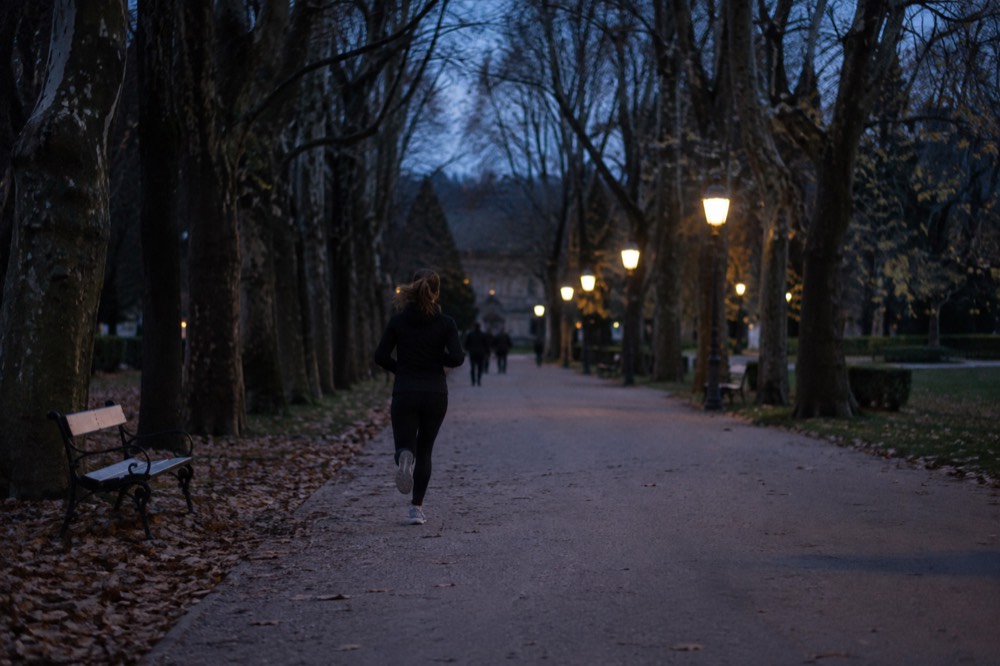
Tivoli Park is Ljubljana's largest green space and sits directly behind the National Gallery, so the pairing is natural. The gallery itself holds the national collection, is open Tuesday to Sunday 10:00 to 18:00 and Thursday to 20:00, and costs 10 EUR for the permanent collection. From the gallery you walk straight into the park's Jakopič Promenade, the tree-lined axis that Plečnik's contemporary Ivan Jakopič gave his name to, and from there it is a gentle 20 minutes back down to the centre.
The river cruise is the afternoon's anchor because it costs almost nothing and re-frames the city. Barka Ljubljanica runs 50-minute loops from the Breg 1 pier at 15 EUR, hourly from 11:00 in the May-to-September season, and the cruise is also included in the Ljubljana Card, which is one of the reasons the card arithmetic works. For a fuller version, the boat cruise and walking tour combination runs two and a half hours, rates 4.7 from 366 reviews and starts from $34.29, and the Ljubljanica river cruise guide compares every operator and departure point.
Evening is where the break earns its keep. The Ljubljana nightlife guide covers the riverside bars and the pub crawl, which runs five hours and starts from $29, and Metelkova Mesto, the autonomous cultural centre in former army barracks, is free to wander, busiest Friday and Saturday, with individual clubs setting their own covers. For a quieter evening, the Slovenian cuisine walking tour runs four hours with tastings, rates 4.8 from 552 reviews and starts from $104, and doubles as dinner.
If you have a third day and have already done Bled or the caves, spend it on Plečnik. The Plečnik House is guided-entry only, tours on the hour, 12 EUR including the guide, closed Monday, and it is the one museum in the city that explains why the riverbanks, the bridges and the market colonnade look the way they do. The Plečnik's Ljubljana guide connects the house to the riverside works, and the three days in Ljubljana itinerary stretches this whole plan out at the same pace.
How Do You Get Around During the Break?
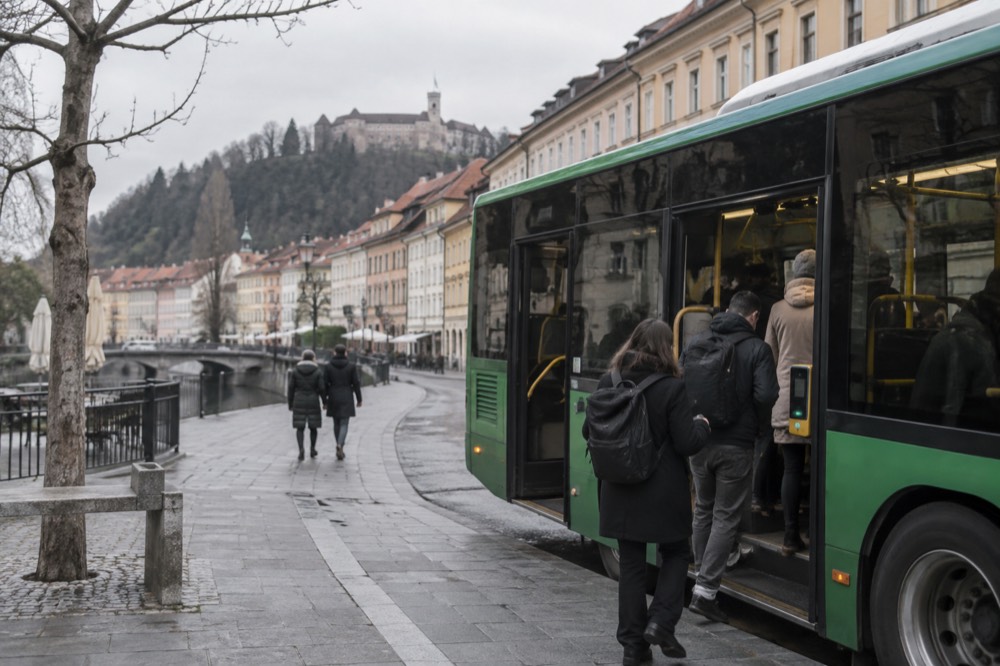
You walk, almost entirely, because the centre is pedestrianised and the whole first two days of this plan fit inside it. For anything further out, Tivoli, Bežigrad, the train station, the city buses cost 1.50 EUR a ride for 90 minutes with transfers, contactless bank cards work on board, cash does not, and the Urbana card itself costs 2.00 EUR if you prefer one. Taxis and transfers exist but are rarely worth it inside the ring.
The no-cash rule is the fact that catches visitors. Ljubljana's buses, run by LPP, accept the Urbana card, contactless Visa and Mastercard and mobile wallets, and nothing else, so a boarding attempt with a euro coin fails at the door. The 90-minute window includes transfers, so a single 1.50 EUR fare can cover a museum-to-hotel hop with a change of line in the middle.
BicikeLJ, the city's bike-share system, is included with the Ljubljana Card for four hours of use, and cycling is the one mode that genuinely competes with walking here because the centre is flat and car-free. This site publishes no BicikeLJ price, the operator's pricing sits behind a cookie wall that could not be verified, so check the current rate on the operator's own page rather than trusting a figure from a forum. The getting around Ljubljana guide has the full transport picture, and the paying for public transport post answers the fare mechanics in one screen.
One Schengen note, because it decides how early you leave for the airport: Slovenia has been inside the Schengen area since 21 December 2007 for land and sea borders and 30 March 2008 for air, and it uses the euro, adopted 1 January 2007. Coming from Italy, Austria, Hungary or Croatia there is no border to clear and no currency to change, per the Slovenian government's own EU membership page. Your departure buffer is a domestic one.
Those three are, in the end, the whole booking layer of a Ljubljana city break: the free orientation walk on day one, the weather-proof cave trip, and Bled if you have given the break a third day. Everything else on this page you can decide on the ground, in a city small enough that a wrong turn is usually the better option.
Common Questions About Planning a Ljubljana City Break
How many days do you need for a Ljubljana city break?
Two days covers the city proper, and three lets you add Lake Bled or Postojna Cave without rushing. The average visitor stays about two nights, and the pedestrianised centre makes a short stay feel longer than it is.
Is Ljubljana walkable for a short break?
Yes, almost entirely. The historic centre is a pedestrianised zone of roughly 20 hectares, and the castle, the market, the bridges and the museums all sit within a 20-minute walk of one another. Buses at 1.50 EUR a ride cover anything further out.
What is the best time of year for a Ljubljana city break?
May, June and September, with September carrying a rain caveat: it is one of the city's joint wettest months at 147 mm and one of its foggiest at 12.4 fog days. From October to March the basin inversion means grey street-level days, so plan something uphill or underground.
Is Ljubljana expensive for a city break?
Moderately. Entry tickets are modest, the castle with funicular is 19.00 EUR and a river cruise 15 EUR, buses are 1.50 EUR and museums are free on the first Sunday of the month. Accommodation is the main variable, and tourist tax adds 3.13 EUR per person per night.
Can you do a day trip to Lake Bled from Ljubljana?
Yes, comfortably. Guided day tours run about six hours and start from $57, and independent travel is possible too. Bled Jezero station is 1.5 km from the lake if you go by rail, much closer than the better-known Lesce-Bled station.
Do you need to book Ljubljana Castle in advance?
Not usually, the castle is open 365 days a year and skip-the-line entry tickets start from $17. Booking ahead makes sense in the May-to-September peak and for the timed funicular, which runs until 22:00 in summer and 19:00 the rest of the year.