Ljubljana Zoo: What to Know Before You Go
Ljubljana Zoo sits on the wooded southern edge of Tivoli Park, close enough to walk from the centre and small enough to fit inside a half day. This guide covers transport, budgeting, timing and the honest caveats, because the zoo's own ticket details are the one thing this desk could not verify.
Short answer
Ljubljana Zoo is a compact city zoo on the edge of Tivoli Park, reachable on a 1.50 EUR zone 1 bus ride with an Urbana card. Its hours and prices are not published in a form this desk could verify, so check the zoo's own site before visiting. Allow two to three hours, and pair the visit with Tivoli Park or Rožnik hill.
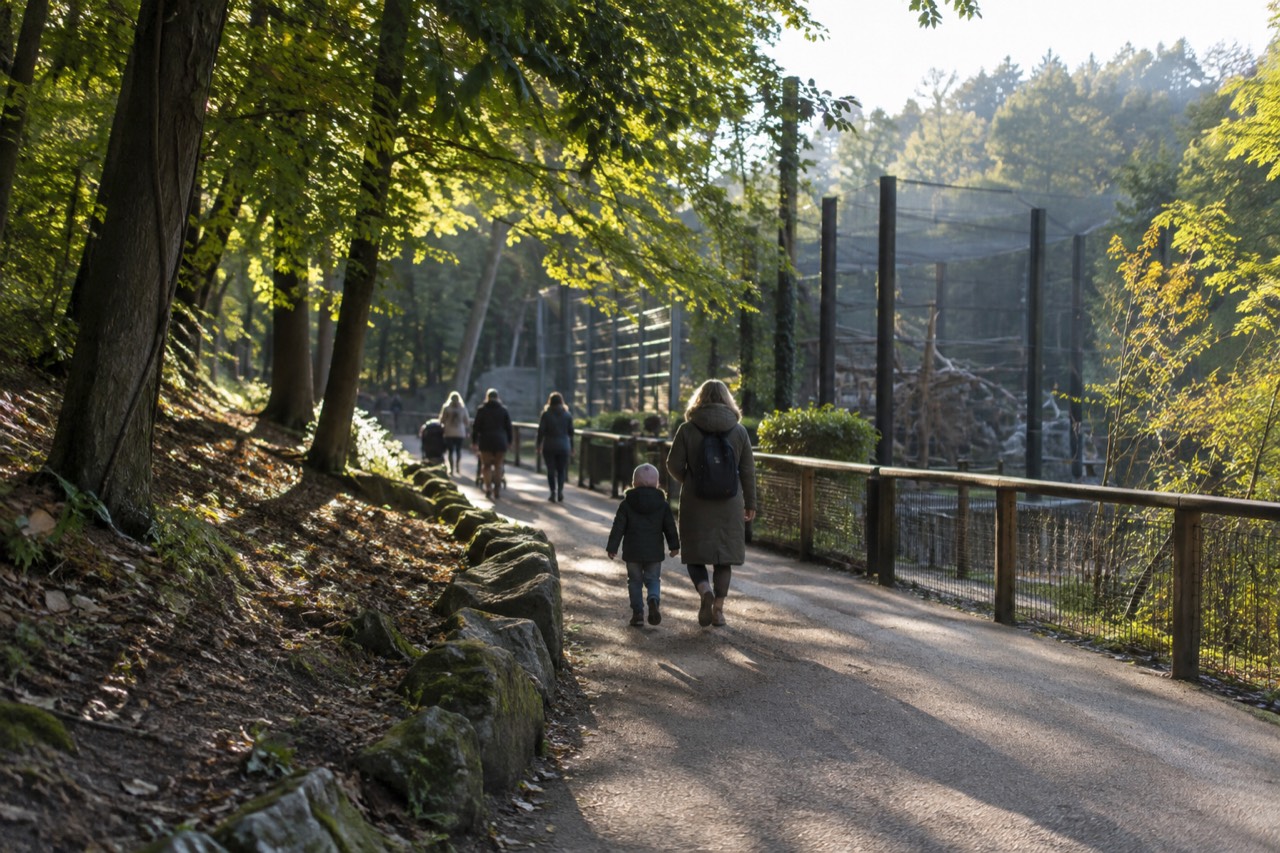
Ljubljana Zoo occupies the wooded southern edge of Tivoli Park, a short bus ride or a longer walk from the pedestrianised old centre. It is one of the smaller capital-city zoos in Europe, which is its main selling point for families: everything is walkable in a couple of hours, and the surrounding forest and parkland mean the visit never feels boxed in by traffic. This guide is written by an editorial desk that researches and reports rather than visits, and there is one honest caveat up front: the zoo's own website could not be reached for verification during research for this site, so its hours and admission prices are deliberately not quoted here. Everything else, transport, climate, budgeting and what to combine the zoo with, comes from verified primary sources.
The zoo makes most sense as part of a green half-day: Tivoli Park, the zoo, and the walk up Rožnik hill stack neatly into one outing. It also works as a family anchor for a wider trip, and the pages on ljubljana with kids and the rainy day guide to Ljubljana cover the surrounding options in more depth.
Where Is Ljubljana Zoo and How Do You Get There?
Ljubljana Zoo sits on the southern edge of Tivoli Park, about 3 km west of the old centre, and the simplest way in is a city bus paid with an Urbana card at 1.50 EUR for a zone 1 single ride. The historic centre itself is pedestrianised, so the zoo is one of the attractions that genuinely rewards knowing the bus system. Walking from Prešeren Square takes roughly 45 minutes through the park, and the whole route is flat until the last stretch.
The bus system is the practical heart of any zoo trip. Ljubljana's buses do not accept cash on board, full stop, and that single fact catches out more visitors than any other transport detail in the city. You can pay with a contactless bank card or phone directly on board, Visa and Mastercard and mobile wallets all work, or you can buy an Urbana card for 2.00 EUR and load it at the LPP Passenger Centre on Slovenska 56, at Urbanomat machines, at kiosks or at tourist information centres. A single zone 1 ride, valid 90 minutes including transfers, costs 1.50 EUR. The official LPP payment page sets all of this out, and it is worth a glance before your first ride.
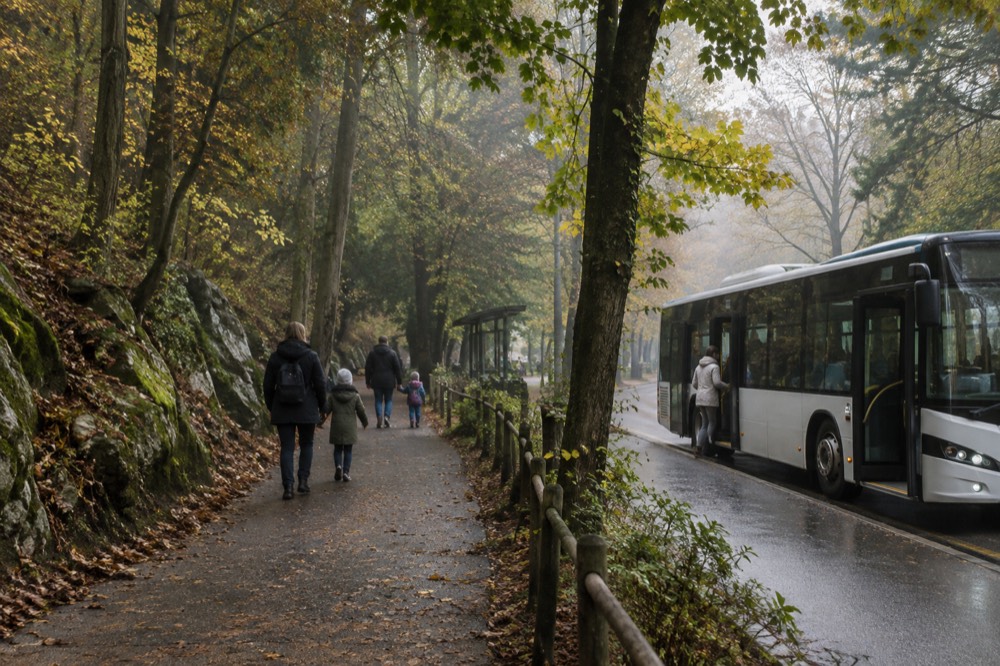
Walking is the better option on a fine day. The route from the centre runs through Tivoli Park itself, past the Jakopič Promenade and the park's open lawns, so the journey doubles as sightseeing. Allow about 45 minutes at an easy pace. Cyclists can go the same way; Ljubljana is one of Europe's most bike-friendly capitals and the park paths are part of the reason. The broader getting around Ljubljana guide covers buses, bikes and taxis in full.
| Transport option | Cost | Notes |
|---|---|---|
| Zone 1 bus, single | 1.50 EUR | 90 minutes including transfers, Urbana or contactless |
| Urbana card itself | 2.00 EUR | One-off purchase, top up as needed |
| Cash on buses | Not accepted | Contactless bank card works as an alternative |
| On foot from Prešeren Square | Free | Roughly 45 minutes through Tivoli Park |
| Bike | Free with your own | Park paths the whole way |
One more practical note: if you are driving, remember the historic centre is closed to general motor traffic, a pedestrian zone of roughly 20 hectares expanded progressively since 2007, as the city's own mobility pages confirm. Park outside the centre and bus or walk in. The car rental in Ljubljana guide covers where to park.
What Will You Actually See at Ljubljana Zoo?
Ljubljana Zoo is a compact, forested zoo rather than a sprawling wildlife park, and its strength is European and Alpine species in a woodland setting: bears, lynx, wolves and birds of prey sit alongside lions, giraffes and a small selection of exotics. The scale is the point. This is a two-to-three-hour zoo, not an all-day one, and the enclosures sit along a single loop that children can manage on foot.
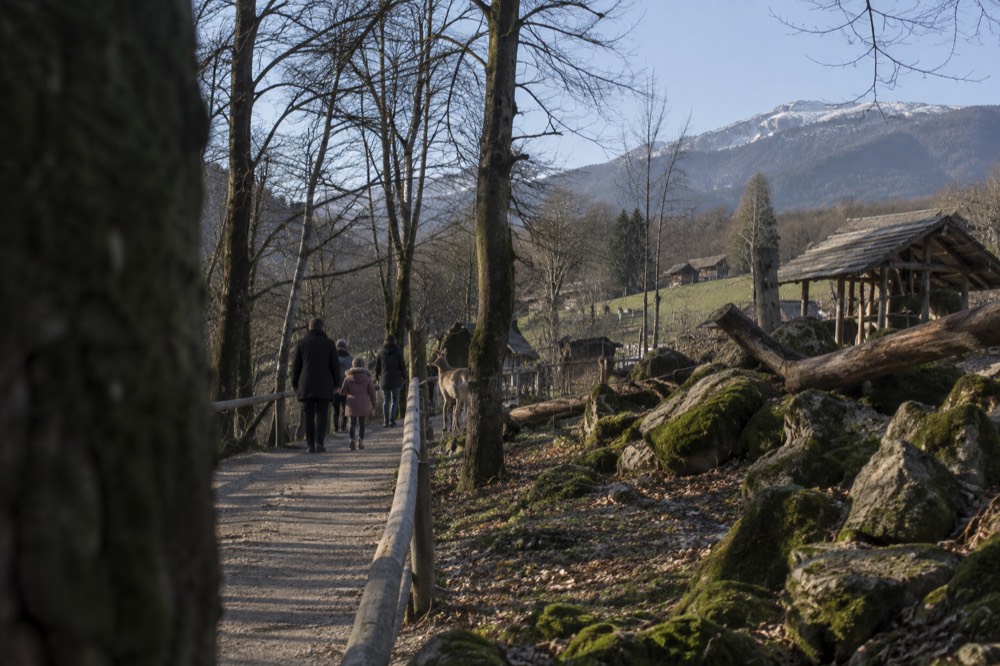
The zoo's setting inside and beside forest is what separates it from a flat urban zoo. The site climbs gently into the woods below Rožnik hill, so the walk between enclosures feels like a nature trail with animals attached rather than a circuit of concrete. Native species are the natural focus of a zoo in a country that is more than half forest: brown bears, grey wolves, lynx and Alpine species reflect the fauna visitors might otherwise only glimpse in the Kočevje forests or the Julian Alps. Alongside those sit the expected crowd-pleasers, big cats, giraffes, primates and a reptile house, in numbers proportionate to the zoo's size.
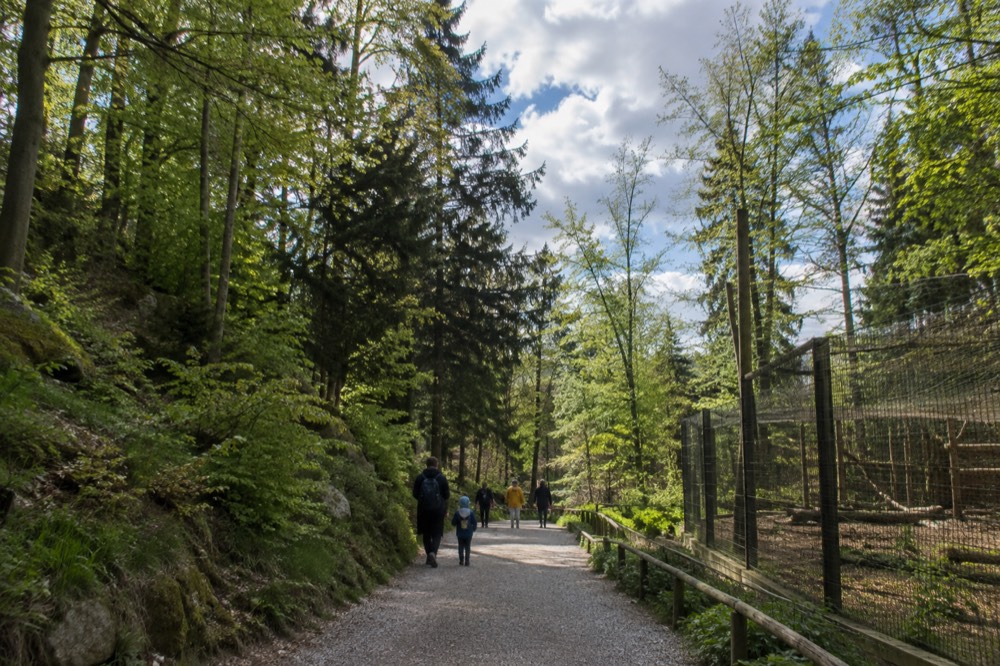
For families this scale is a feature, not a limitation. A zoo you can finish by early afternoon leaves the rest of the day for Tivoli Park, a playground or the old centre, and small children rarely manage more than three hours of walking anyway. The two days in Ljubljana itinerary slots a zoo morning into exactly this shape.
Because this desk could not verify the zoo's own site, specifics about feeding times, show schedules and temporary exhibits are deliberately left out rather than guessed. Check the zoo's official site for the day's programme once you are in the city; the tourist information centre on the edge of the old centre can also help with current opening details.
| What to expect | Detail |
|---|---|
| Setting | Wooded slope below Rožnik hill, on the Tivoli Park edge |
| Scale | Compact, one main loop, walkable for children |
| Native species focus | Brown bear, wolf, lynx and other European fauna |
| Exotic species | Big cats, giraffes, primates, reptiles |
| Typical visit length | Two to three hours |
| Feeding times and shows | Check the zoo's own site, not verified here |
How Much Time Should You Plan, and When Should You Go?
Plan two to three hours for the zoo itself, ideally in the morning, and treat it as the anchor of a half-day that continues into Tivoli Park or up Rožnik hill. Morning is the better slot for two reasons: animals are more active before the midday heat, and Ljubljana averages just 37 clear days a year against 130 overcast, so every open-air hour moved to the morning is a small win.
The timing advice comes straight from the climate record. ARSO's 1981-2010 normals for the Ljubljana station at 299 m record 37 clear days and 130 overcast days a year, and October and November each average a single clear day. In summer the odds improve, but so do the crowds, and the zoo's shaded woodland loop is genuinely pleasant in the morning even in July, when the mean daily maximum reaches 27.3 C. Arriving at opening also puts you ahead of the birthday-party and nursery groups that tend to arrive late morning.
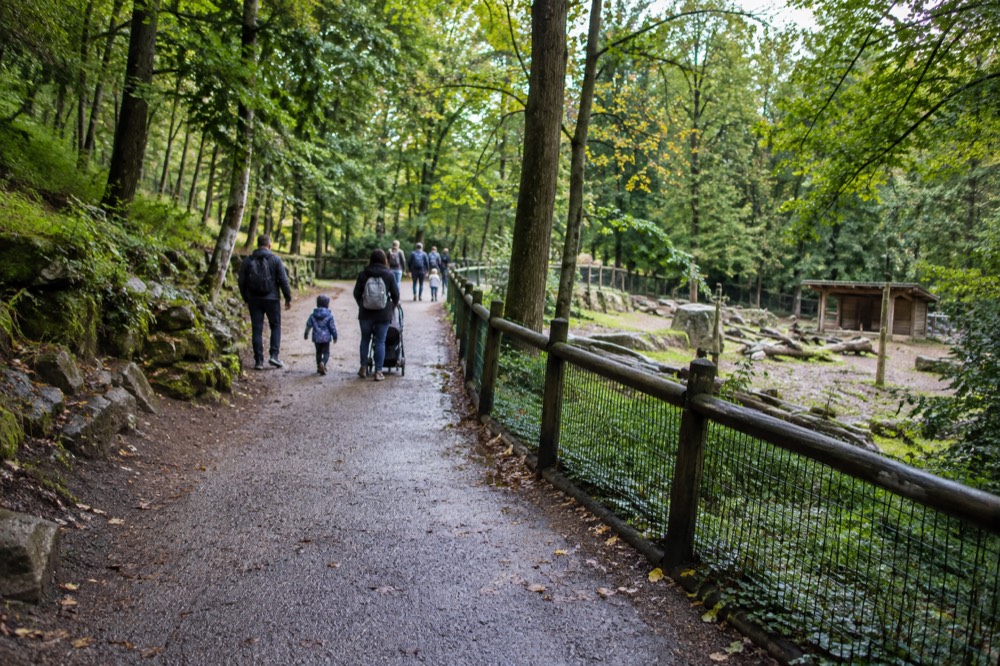
Season matters less here than you might think, with one exception. The zoo is an outdoor attraction, but Ljubljana's winters are mild by Alpine standards, January's mean is 0.3 C, and the woodland setting holds up in any season. The exception is fog. Ljubljana sits in a basin, cold air gets trapped under warmer air above, and the city fogs in. ARSO's 1971-2000 series, the only period for which fog is published, gives September and October 12.4 fog days each, level with December's 12.6 and above January's 11.3. An early-autumn zoo morning can be grey and dripping while the hills above are in sunshine.
If a grey morning is forecast, the honest answer is that Ljubljana's caves are the weather-proof alternative, and they are the reason this desk pairs the zoo with the cave day trip below. Caves hold roughly the same temperature year round, about 10 C at Postojna, and they are open every day including in bad weather, which makes them the reliable swap for any washed-out zoo plan.
The cave trip above is a six-hour outing from Ljubljana covering Postojna Cave and Predjama Castle, and the listing carries a 4.8 rating from 2,802 reviews, from $132. The Lake Bled option is the fair-weather counterpart, and the free GuruWalk tour, tips-based, is what this desk would point a first-time visitor toward on the evening before or after a zoo day.
What Does a Zoo Day Cost, and How Do You Budget for It?
The zoo's own admission price is the one figure this guide will not quote, because the zoo's official site could not be verified, so budget from the surrounding, verified numbers instead: 3.00 EUR return bus fares for two people, snacks from the Central Market rather than zoo kiosks, and the 3.13 EUR per person per night tourist tax already sitting in your accommodation bill. Expect a modest per-person day rather than a headline cost.
Start with what is verifiable. Tourist tax in Ljubljana is 3.13 EUR per person per night, 2.50 EUR of tax plus a 0.63 EUR promotion surcharge, with a half rate of 1.57 EUR for ages 7 to 18 and children under 7 exempt, per the official tourist board page. That is already paid, so it does not change your zoo decision, but it frames the city's overall price level, which the is Ljubljana expensive for tourists post covers in detail.
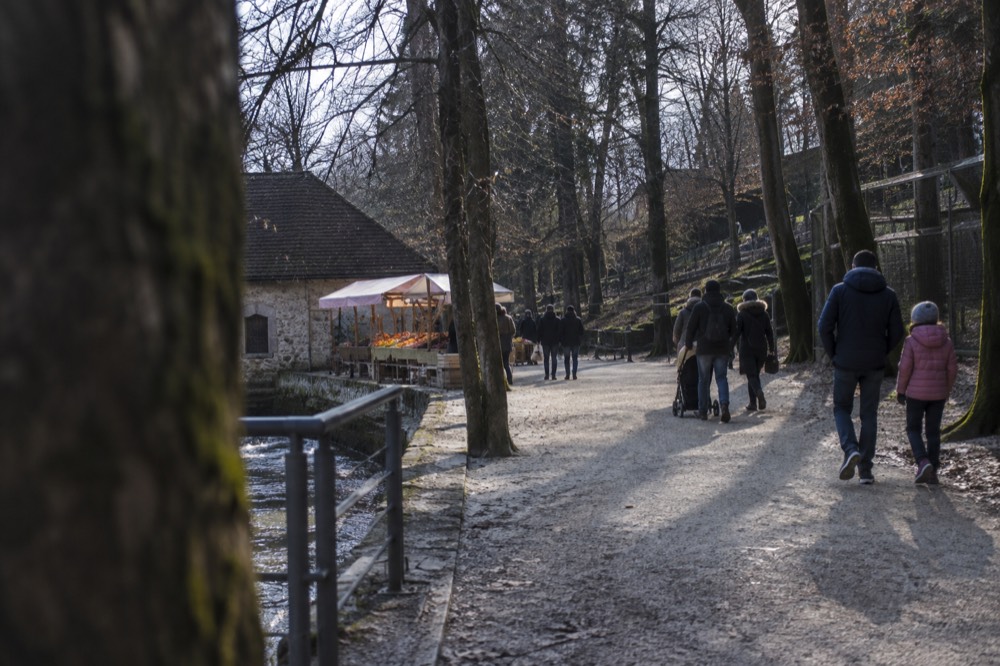
For the day itself, the bus is 1.50 EUR each way in zone 1, so a couple spends 6.00 EUR on transport if they ride both ways. Food is where a zoo day can quietly inflate: the Central Market on Vodnikov and Pogačarjev trg runs roughly 06:00-18:00 in summer, and buying picnic supplies there before you ride out is both cheaper and better than relying on kiosk prices this desk cannot verify. The covered halls open 07:00-16:00 on weekdays and 07:00-14:00 on Saturdays.
| Budget line | Figure | Source status |
|---|---|---|
| Bus, zone 1, per person each way | 1.50 EUR | Verified, LPP |
| Urbana card purchase | 2.00 EUR | Verified, LPP |
| Zoo admission | Not quoted | Zoo site not verified, check directly |
| Picnic supplies from Central Market | Market prices | Verified opening hours |
| Tourist tax | 3.13 EUR per person per night | Verified, tourist board |
One money-saving pattern worth knowing applies to the city's museums rather than the zoo, but it belongs in any budgeting conversation: the national institutions, the National Museum of Slovenia, the National Gallery, MSUM and the Slovenian Ethnographic Museum, each publish free admission on the first Sunday of every month. If your trip spans a first Sunday, the ljubljana for free guide shows how to stack a free museum afternoon against a zoo morning.
Is Ljubljana Zoo a Good Rainy-day Option?
Partly. The zoo's woodland loop is shaded but open, so light rain is manageable with the right clothes and heavy rain is not, and Ljubljana gets a lot of rain: September and October are the joint wettest months at 147 mm each, above July's 115 mm, in ARSO's 1981-2010 normals. The genuinely weather-proof alternatives are the caves, which hold about 10 C year round and open every day, and the museum quarter, which is mostly closed on Mondays.
The rain numbers deserve their own paragraph because they surprise people. Autumn in Ljubljana is not the dry shoulder season that guidebook shorthand implies. The 1981-2010 table puts September and October at 147 mm each, and the 1971-2000 table would put June first instead, which is exactly why this desk names the period every time. Either way, a zoo visit planned for late September has a real chance of meeting rain, and the same months average 12.4 fog days each in the 1971-2000 fog series, the foggiest stretch of the calendar alongside December. The full index of guides sits on Ljubljana Travel Guide.
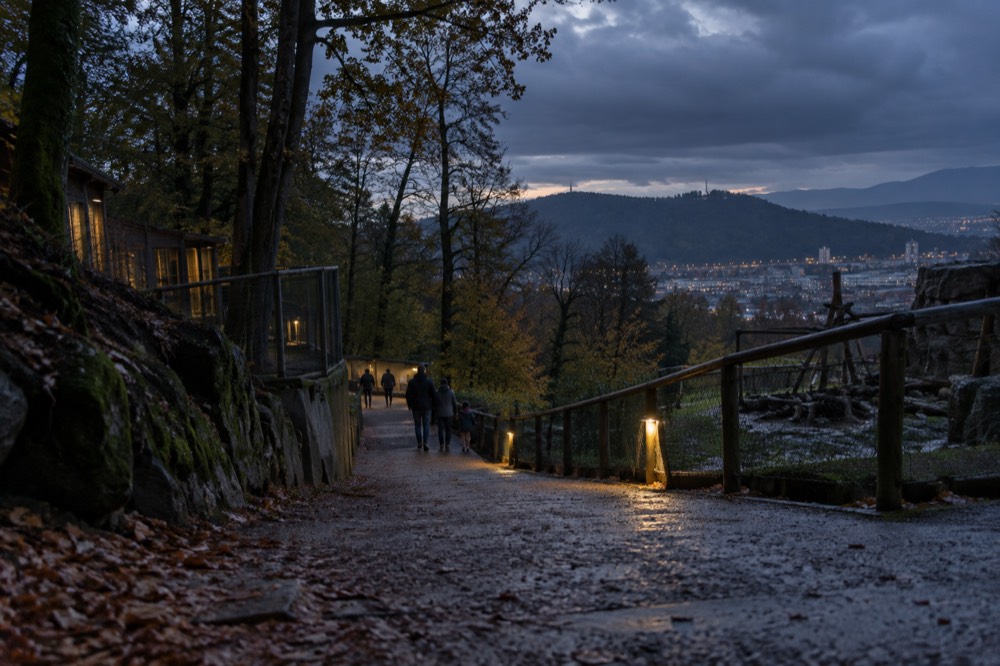
So the honest hierarchy for a wet day is: caves first, museums second, zoo only if the rain is light and the children are set on it. The cave day trip from Ljubljana that covers Postojna Cave and Predjama Castle runs six hours, is rated 4.8 from 2,802 reviews and starts from $132, and Postojna's own timetable notes the cave opens every day, including holidays and in bad weather. The cave holds 10 C year round, so bring a layer regardless of the weather above ground; visitors in August shorts are cold for the full 90 minutes, and the official guidance is to arrive 30 minutes before the stated tour time.
The museum fallback needs one planning fact: nearly every major institution in Ljubljana closes on Monday. The National Gallery, Moderna galerija, MSUM, the City Museum and the Slovenian Ethnographic Museum all shut Mondays, while the National Museum of Slovenia and the Natural History Museum open daily. A wet Monday therefore pushes you toward the National Museum or the Natural History Museum, at 6.50 EUR for the latter, or back outdoors.
What Else Is Near the Zoo?
Tivoli Park and Rožnik hill are the zoo's immediate neighbours, and together they make the zoo the anchor of the greenest half-day in the city. Tivoli is Ljubljana's largest park, with the Jakopič Promenade, open lawns and the Museum of Contemporary History; Rožnik is a low wooded hill above it; and the walk back to the centre drops you at the edge of the pedestrianised old town in under an hour.
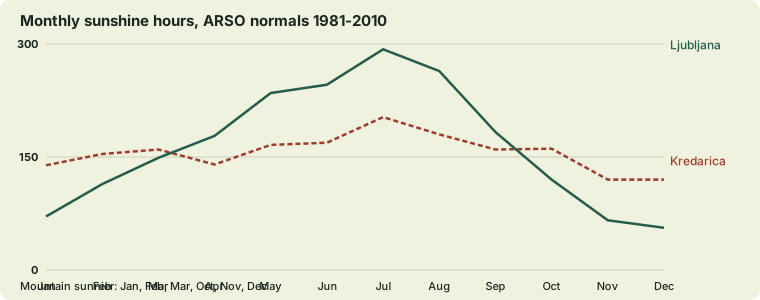
Doing the zoo and Tivoli as one outing is the natural plan. Enter the park from the centre, walk the promenade, reach the zoo at the park's western end, then decide between the bus back or the climb up Rožnik. The hill is modest, a few hundred metres of ascent, and the payoff is the inversion fact that most guides miss: Ljubljana sits in a basin, and in the colder half of the year the city below can be fogged in while the hill above is in sunshine. ARSO's numbers make the point starkly, in December the city station at 299 m records 56 hours of sunshine while Kredarica at 2,514 m on Triglav records 120 hours over the same month. On a grey December morning, going up is not a gesture, it is the statistically correct move.
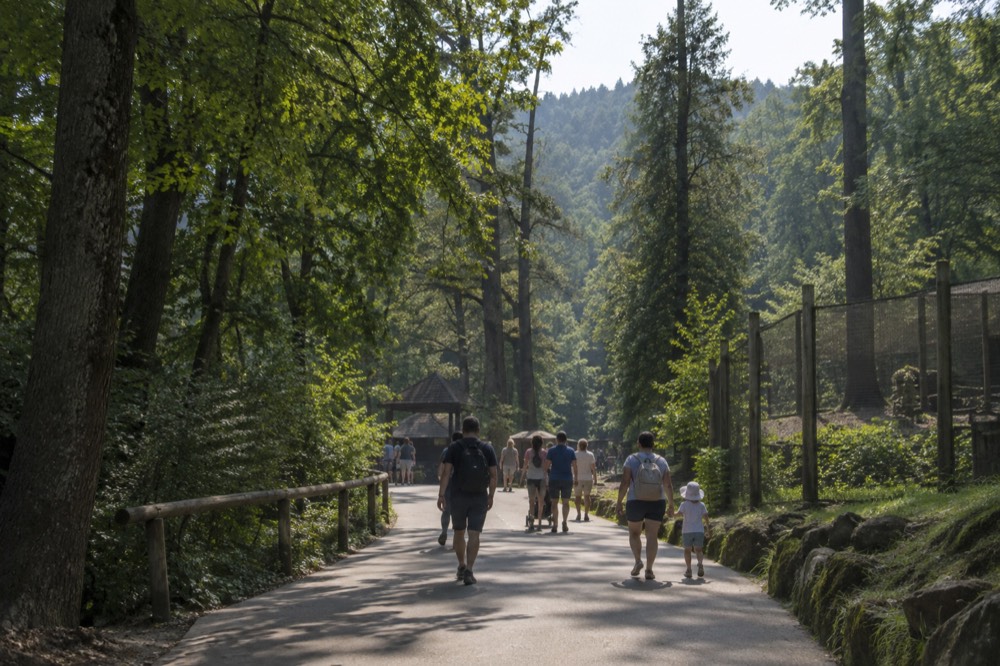
The Tivoli Park and Šmarna gora pages cover the two best green half-days in the city, with Šmarna gora the bigger climb on the northern side. If the zoo is your family anchor, the ljubljana with kids guide ranks the child-friendly options across the whole city, and the best time to visit Ljubljana guide puts the zoo's seasonal question in the context of the full calendar.
For a different kind of animal day, the Lipica stud farm, home of the Lipizzaner horses, is a full-day tour from Ljubljana, and the Lipica guide covers it. Closer to hand, the city's river offers its own low-key wildlife watching; the Ljubljanica river cruise page describes the 50-minute electric boat trips that run from the Breg embankment.
When Is the Best Month for a Zoo Visit?
Late spring and early summer are the sweet spot: April through June brings the city's sunniest stretch of the first half-year, 178 to 246 sunshine hours a month in the 1981-2010 normals, before July's peak crowds and heat, and the zoo's deciduous setting is fully in leaf. Avoid late September and October if sunshine matters to you, those are the foggiest months of the year at 12.4 fog days each, and October averages a single clear day.
The monthly sunshine series tells the story plainly. Ljubljana records 71 hours in January, 56 in December, then 149 in March, 178 in April, 235 in May and 246 in June, before peaking at 293 in July. The city wins April to September and loses October to March, and the crossover is why a spring zoo visit feels like a different city from a November one. Winter visits are workable, the mean temperature sits between 0.3 and 1.9 C in January and February and snow lies on the ground on roughly 50 mornings a year, but the light is short and the fog is frequent.
For a family trip, the ljubljana in winter and ljubljana in December guides cover the cold-month alternatives, including the Christmas market, which runs regardless of the fog. If your dates are flexible and the zoo is a priority, aim for May or June: the animals are active, the park is at its greenest, and the odds of a clear morning are the best the city's climate allows.
One more pairing worth naming: the Velika Planina guided hike above is a six-hour alpine alternative for families with older children, rated 4.8 from 74 reviews and from $86, and it flips the zoo's logic entirely, instead of animals in a woodland enclosure, you walk through an alpine herdsmen's village where the cattle are the wildlife. On a clear winter day, when the basin is grey, the high ground is exactly where ARSO's numbers say the sunshine is.
Should You Combine the Zoo with a Paid Tour?
For most visitors the zoo is a self-guided half-day and does not need a tour, but it slots neatly into a wider paid itinerary: a free tips-based walking tour on the evening before, a cave or Lake Bled day trip on the following day, and the zoo morning filling the gap between them. The City Card is worth a look if museums are on your list, at 41.00 EUR for 24 hours covering the funicular, the river cruise, buses and more than 30 museums.
The card arithmetic is the one place where paying ahead can beat paying separately, and this desk builds it only from verified figures. A castle ticket including the funicular is 19.00 EUR and a river cruise is about 15 EUR, so those two alone come to roughly 34 EUR before a single museum, against the card's 41.00 EUR for 24 hours. If the zoo is your main outing and museums are not, skip the card; the Ljubljana Card guide runs the full comparison.
The free GuruWalk walks deserve a specific mention because they invert the usual booking logic: they cost nothing up front, you pay what you think the walk was worth, and the Ljubljana Unveiled walk, from Roman roots to the dragon bridge, is rated 4.91 from 1,496 reviews. GuruWalk is the platform and the operator here, and naming it is the honest way to describe these tours. A two-hour evening walk the night before a zoo morning is a rhythm that works: the city orientation lands when the light is best, and the animals get the children's freshest energy the next day.
For the day after, the choice is between the caves and the lake, and the weather forecast should make it. Postojna and Predjama are the wet-day answer, Lake Bled the dry one, and both run from Ljubljana with hotel pickup points in the centre. The ljubljana to Lake Bled guide covers the independent version if you would rather not book a seat.
Common Questions About Ljubljana Zoo
How do I get to Ljubljana Zoo from the centre?
Take a zone 1 city bus, 1.50 EUR for a single with 90 minutes of transfers, paying with an Urbana card or a contactless bank card since cash is not accepted on board. On foot it is roughly 45 minutes from Prešeren Square through Tivoli Park, which is the nicer option in good weather.
How much does Ljubljana Zoo cost?
The zoo's admission price is not quoted here because its official site could not be verified during research for this guide. Check the zoo's own site or the tourist information centre for current prices, and budget for the verified surrounding costs: 1.50 EUR each way [by bus](https://busbud.tpk.ro/4kLAIElq) and picnic supplies from the Central Market.
How long should I spend at Ljubljana Zoo?
Two to three hours covers the main loop at a family pace. The zoo is compact and sits on a wooded slope, so it pairs naturally with Tivoli Park before or after, and with the climb up Rožnik hill if the weather is clear.
Is Ljubljana Zoo good in rainy weather?
Only in light rain. September and October are the joint wettest months at 147 mm each in ARSO's 1981-2010 normals, and the same months average 12.4 fog days in the 1971-2000 series. For a genuinely weather-proof day, the caves hold about 10 C year round and open every day regardless of conditions.
Can I combine the zoo with other attractions in one day?
Yes, and you should. The zoo sits on the edge of Tivoli Park, so the park, the Jakopič Promenade and Rožnik hill stack into one green half-day. Add the castle or a river cruise in the afternoon, or a free GuruWalk walking tour in the evening.
When is the best time of year to visit Ljubljana Zoo?
May and June offer the best balance of sunshine and comfortable temperatures, with 235 and 246 sunshine hours a month in the 1981-2010 normals. Avoid late September and October if clear skies matter, those are the foggiest months of the year alongside December.